
The 1840s initiated a period of rapid change in Chapel Hill. In 1845 the Proprietors of Locks and Canals sold its extensive lands in this section of Lowell which in turn sparked a land grab by several real estate speculators. This included men like Andrew C. Wheelock, who purchased large tracts, subdivided them into smaller parcels, and built rental properties. He ran his business out of an office located at 462-468 Central Street. As the population of the community rose, so too did the need for small businesses, residences, schools, churches, and other civic structures.
A comparison of the 1850 map and the 1879 atlas clearly reveals these marked changes to the neighborhood’s landscapes.
1850
The 1850 Map: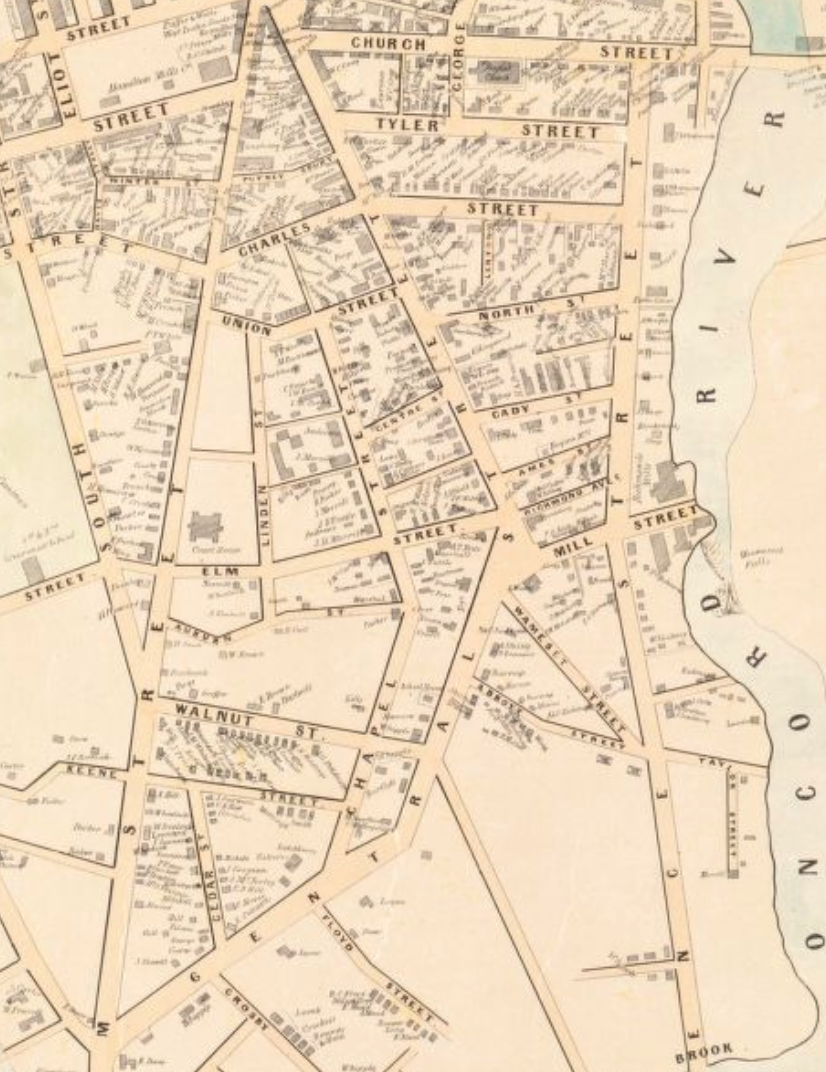
1879
The 1879 Map: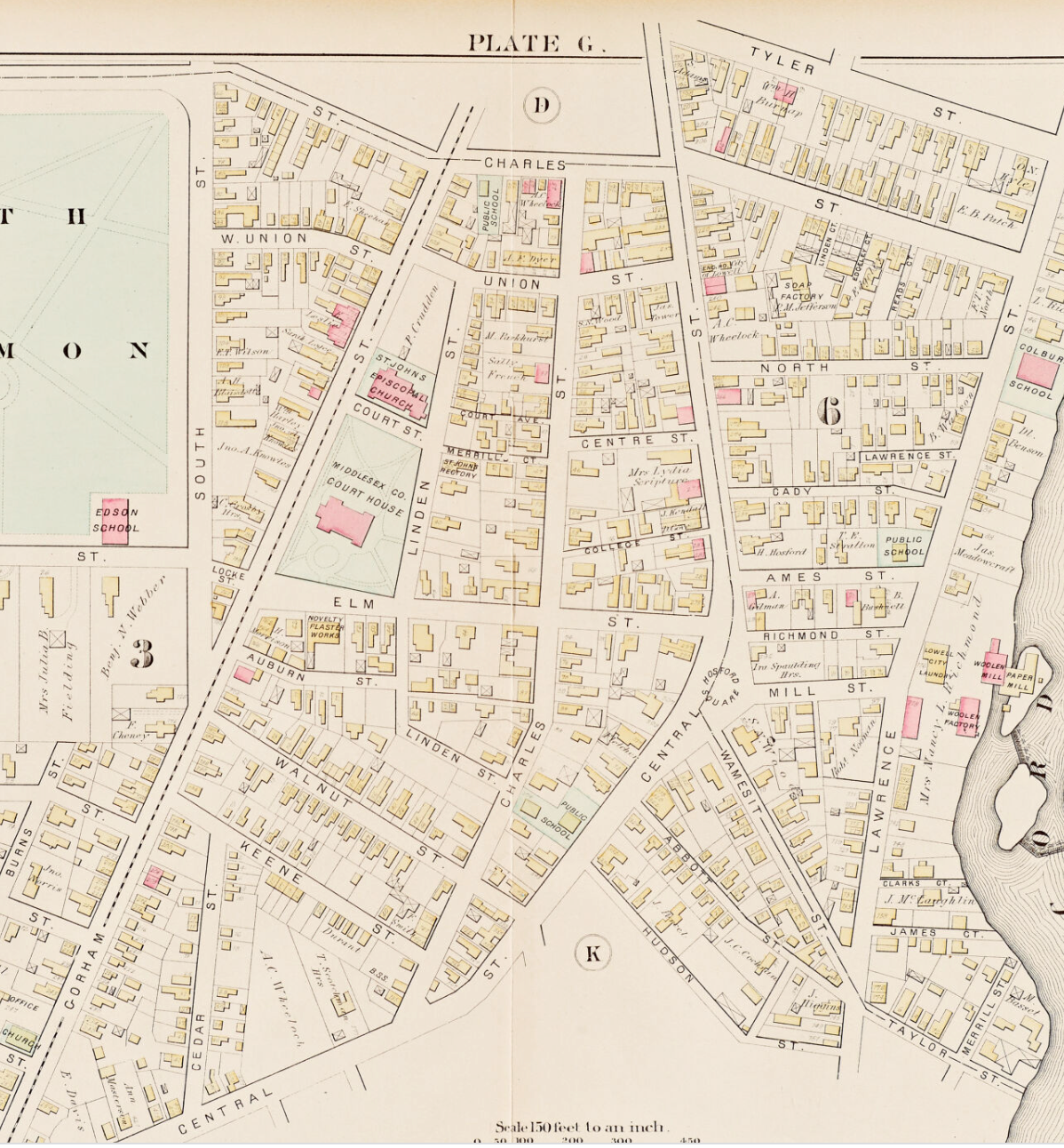
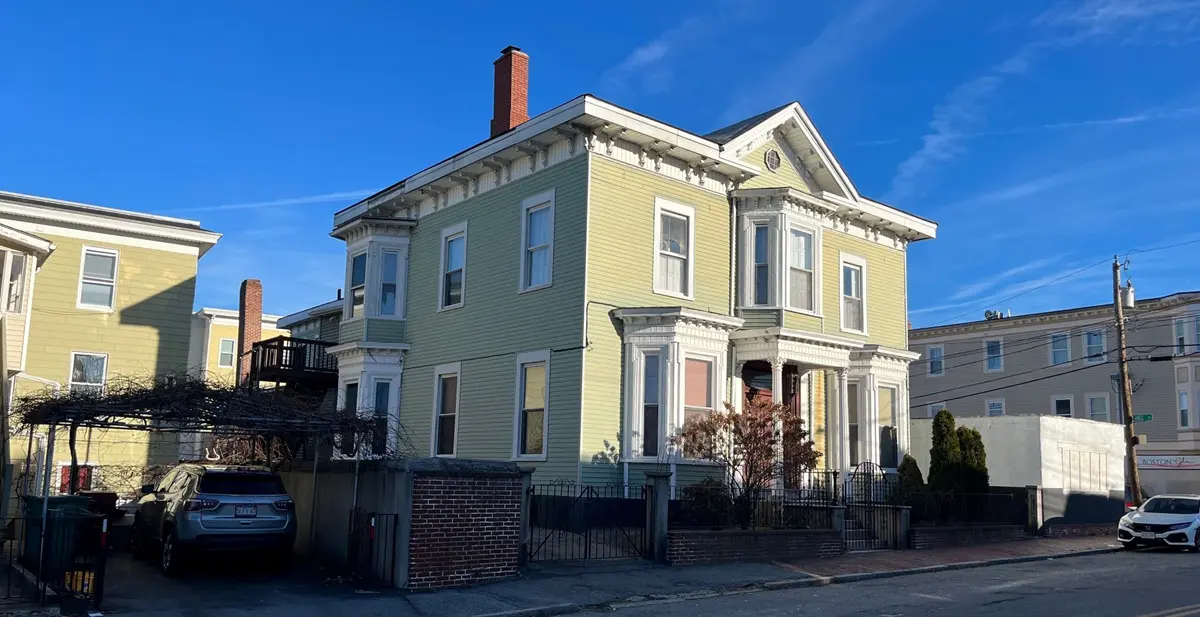
The Hocum Hosford House at 574 Central Street. Portions of the original cast iron railings remain near the entry.
The proliferation of construction included significant structures in the “modern” styles that succeeded the Federal and Greek Revivals. By far the most popular was the Italianate; Mayor Hocum Hosford built a fine mansion at 574 Central Street in 1856 and by the 1890s modest examples of the style extended all the way to the back edges of Back Central: 5 Watson Street and 9-11 Watson Street serve as typical examples of two-family Italianate homes from this period.
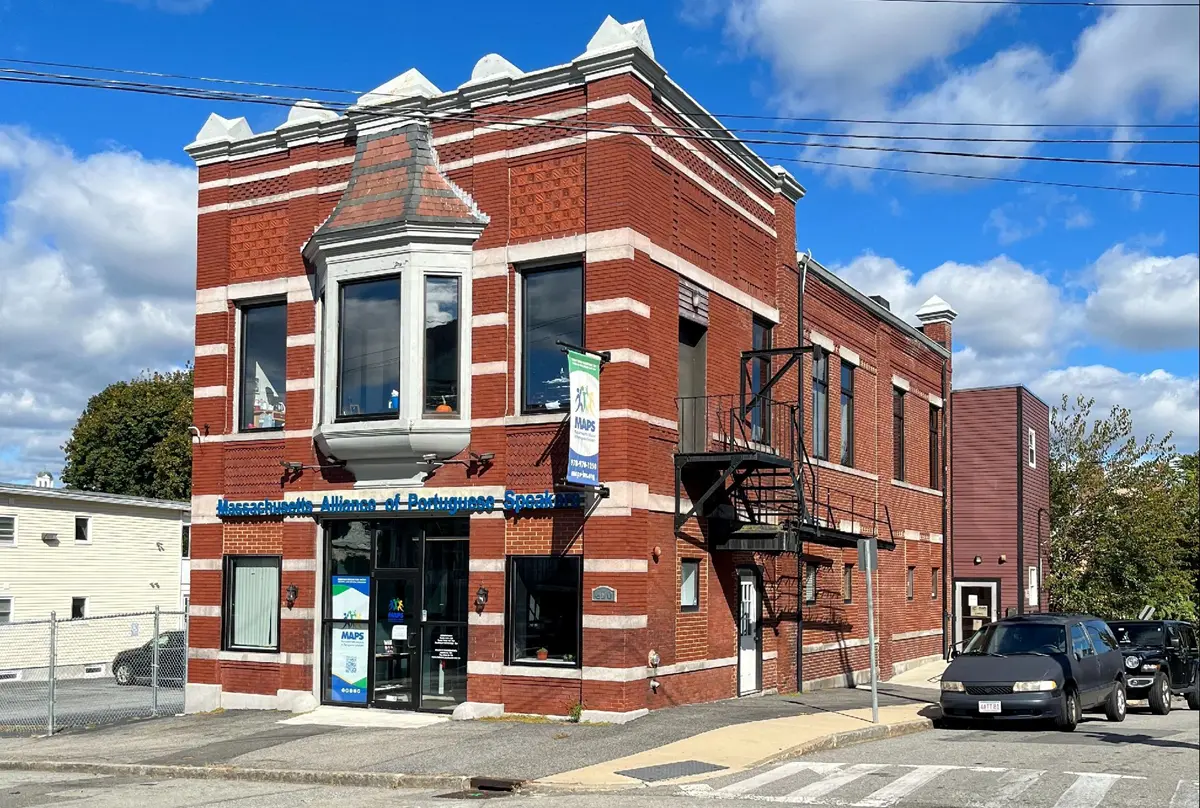
490 Central Street: originally a fire station and now occupied by Massachusetts Alliance of Portuguese Speakers (MAPS).
The amenities of Chapel Hill also made it a site for civic expansion. In 1850 nationally known architect Ammi B. Young designed a Romanesque Revival courthouse on Gorham between Elm and Court Streets. Early fire stations built out of wood were now replaced with state-of-the-art masonry structures: the fire station at 490 Central Street incorporated the latest technology for fire suppression and its architect, Frederick Miller, embellished it with the colorful stonework and ornament of the Victorian style. New schools, such as the Lyon Street (1876) and Central Street (1871) continued to use the Italianate.
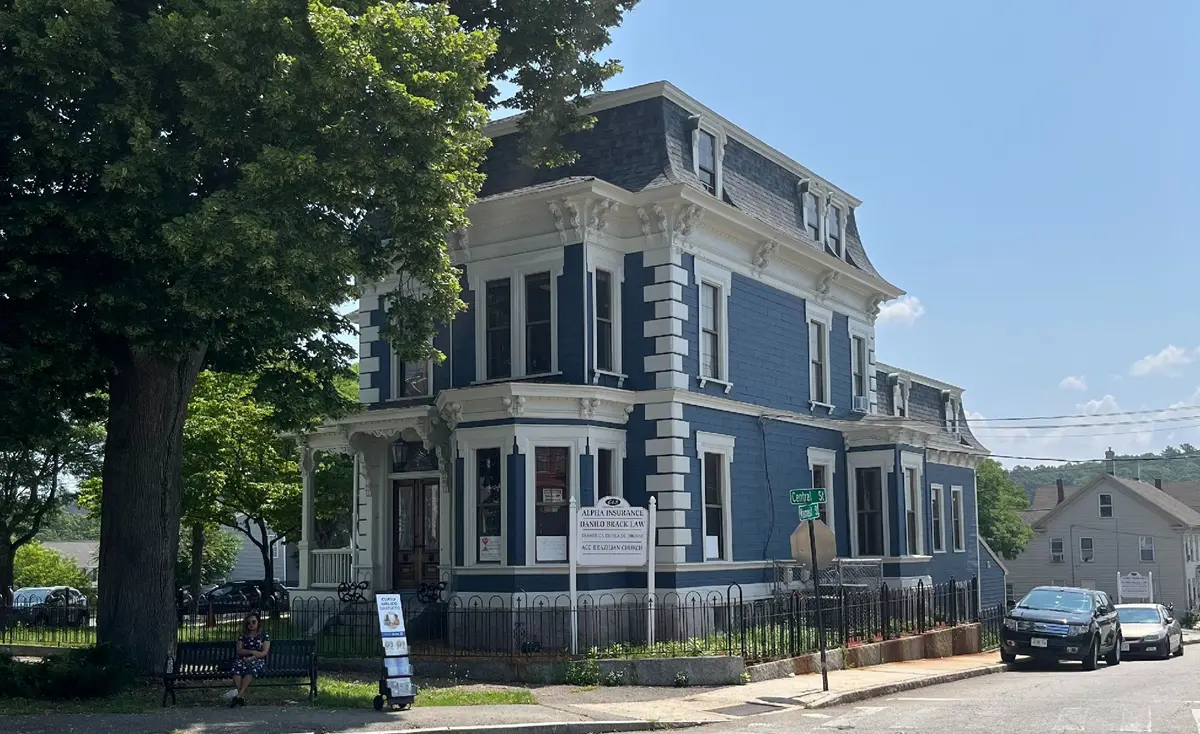
The Samuel Wood House at the crest of Hosford Square on Central Street.
Other revival styles included French Second Empire. The grocery built by John J. Donovan at 512 Central Street and the Greenwood Grocery at 573 Lawrence serve as good commercial examples, and Samuel Wood’s expensive home at 648 Central Street as a fine residential one. The area around the courthouse also remained attractive—A.J. Pollard, Samuel Wood’s business partner, built his mansion at Linden and Elm Streets, the Episcopal Church built the Gothic Revival St. John’s (1860) on Court Street. The Catholic Church built the imposing Gothic Revival St. Peter’s (1892) on Gorham and the courthouse itself was enlarged with an Classical Revival addition in the late 1890s.
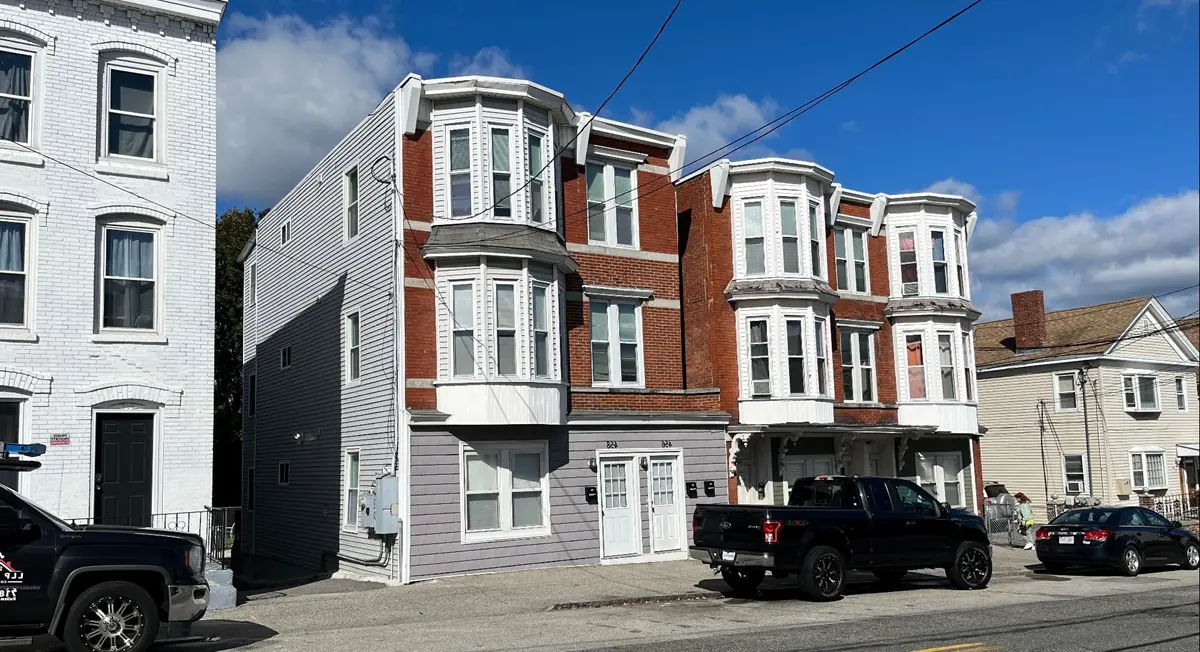
Originally a tenement with commercial space on the ground floor, 448 Central Street is now entirely residential.
Smaller homes, multi-use structures, and commercial additions also increased. Some of the older grander homes were altered to accommodate multifamily use, such as 23 Ames or the Nichols House at 11 Centre Street; others were altered for commercial use. Anders Thomasson added a store to the front of the Locke House that served as a pharmacy for Back Central residents until the 1960s. The Italianate tenement at 448-458 Central Street serves as a typical example of mixed use—it contained residences on the upper floors, and the “Fancy Lunch” eatery, a grocery store and a firehouse on the first floors.
The increase in density occurred not just laterally on any available open lot but also vertically—in this period the triple decker tenement became a staple of the neighborhood. The northwest corner of Back Central—at the junction of Gorham and Central—had tenements as early as the 1830s but these were greatly enlarged in the 1890s by William Bent. These tenements offered easy access to the Appleton and Hamilton mills and would become the homes of many Portuguese by the turn of the 20th century.