As an environmental science major, you'll gain the tools needed to address today’s environmental and sustainability challenges.

Bachelor of Science in Environmental Science

UMass Lowell student measuring a soil core sample

Study the Science Behind a Sustainable Future

Explore how you can tackle today’s biggest environmental challenges with a Bachelor of Science in Environmental Science at UMass Lowell. 

You’ll learn to approach environmental issues through the lens of Earth’s interconnected systems, developing a deep understanding of how physical, chemical and biological processes impact our planet.

Many of our courses provide hands-on experiences. These include field trips, computer mapping, groundwater monitoring, applied measurements in the field and lab work to measure major and trace elements and pollutants. You can tailor your studies by choosing options in Environmental Science or Geoscience

This interdisciplinary environmental science degree prepares you for careers in environmental consulting, freshwater resources, local, state, and federal environmental and geologic government positions and more. You’ll also be ready for graduate study in Earth and environmental sciences and related fields.

What Can You Do with a Degree in Environmental Science?

Prepare for careers in the private and public sectors, including site remediation, natural and environmental hazard controls, freshwater resource management and climate change mitigation and adaptation.

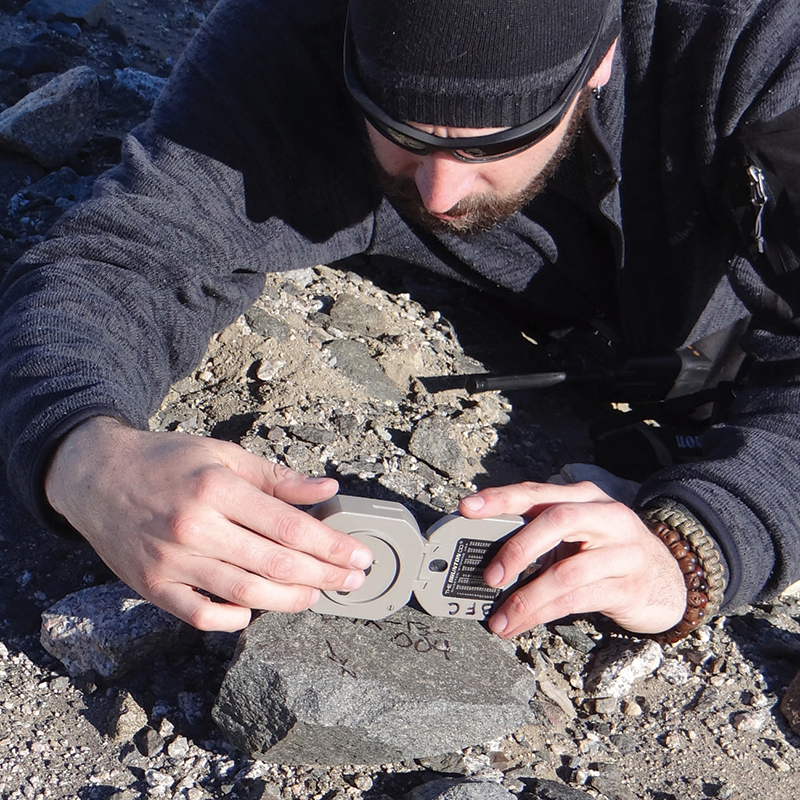
Man working with rocks in Antarctica

Our alumni work in:

  • Freshwater resource management
  • Water/air/soil pollution control and remediation
  • Environmental consulting
  • Renewable energy research
  • Resource exploration and development
  • State and federal agencies
  • K-12 and higher education

For students who entered fall 2018 and beyond.

Freshman Year

Fall Semester

Course NumberCourse NameCredits
Total15
CHEM.1210Chemistry I (SCL)3
CHEM.1230LChemistry I Lab1
ENGL.1010 /
HONR.1100
College Writing I /
First Year Seminar in Honors: Text in the City (CW)
3
ENVI.1010Environmental Science Seminar (IL)1
ENVI.1200Principles of Environmental Science3
MATH.1310Calculus I (MATH)14

Spring Semester

Course NumberCourse NameCredits
Total14
CHEM.1220Chemistry II (SCL)3
CHEM.1240LChemistry II Lab1
ENGL.1020College Writing II (CW)3
ENVI.2010Earth Systems: Geosphere3
ENVI.2030LEarth Systems: Geosphere Lab (QL), (CTPS)1
MATH.2830Statistics3

Sophomore Year

Fall Semester

Course NumberCourse NameCredits
Total15
BIOL.1110 /
LIFE.1010
Principles of Biology I /
Life Science I
3
BIOL.1170L /
LIFE.1030L
Experimental Biology I /
Life Science I Lab
1
ENVI.2020Earth Systems: Atmosphere & Oceans (QL)3
ENVI.2040LEarth Systems: Atmosphere & Oceans Lab (CTPS)1
GEOL.3070Earth Materials I3
GEOL.3090LEarth Materials I Lab1
xxxx.xxxxArts and Humanities Perspective (AH)23

Spring Semester

Course NumberCourse NameCredits
Total17
ENVI.2050Earth Systems: Biosphere & Global Change3
ENVI.2070LEarth Systems: Biosphere & Global Change Lab1
GEOL.3080Earth Materials II3
GEOL.3100Earth Materials II Lab1
xxxx.xxxxxFree Elective3
xxxx.xxxxSocial Sciences Perspective (SS)23
xxxx.xxxxArts and Humanities Perspective (AH)23

Junior Year

Fall Semester

Course NumberCourse NameCredits
ENVI.3010GIS in Earth and Environmental Science3
GEOL.3150Environmental Geochemistry (WOC), (AIL)4
GEOL.3190Earth Surface Processes3
GEOL.3210LEarth Surface Processes Lab1
PHYS.1030General Physics I (STEM)3
PHYS.1030LGeneral Physics I Lab1
Total15

Spring Semester

Course NumberCourse NameCredits
Total16
ATMO.4080The Climate System3
GEOL.3140Hydrogeology3
GEOL.3310Earth History3
GEOL.3330Earth History Lab1
xxxx.xxxxArts and Humanities Perspective (AH)23
xxxx.xxxxSocial Sciences Perspective (SS)23

Senior Year

Fall Semester

Course NumberCourse NameCredits
Total14
ENVI.4100Soil Science3
ENVI.4120LSoil Science Lab1
ENVI.4160Climate Change: Science, Communication, and Solutions3
ENVI.4170LClimate Change: Science, Communication, and Solutions Lab1
xxxx.xxxxTechnical Elective33
xxxx.xxxxSocial Sciences Perspective (SS)23

Spring Semester

Course NumberCourse NameCredits
ATMO.4710 /
ENVI.5100
Air Pollution /
Environmental Pollution
3
ENVI.4000Senior Seminar1
ENVI.4150Biogeochemical Cycles3
xxxx.xxxxTechnical Elective33
xxxx.xxxxFree Elective3
xxxx.xxxxFree Elective1
Total14

Total Minimum Credits = 120.

1Alternatively: Calc 1A (MATH.1280) + Calculus IB (MATH.1290) = Calculus I (MATH.1310)

2The Core Curriculum Essential Learning Outcomes for Diversity and Cultural Awareness (DCA) and Social Responsibility and Ethics (SRE) are fulfilled outside the EEAS major. See the DCA course listing and the SRE course listing for a full list of classes that fulfill these requirements.

3Technical Electives:

No more than two Breadth of Knowledge (BOK) courses can be taken with the same prefix. The Core Curriculum courses may be taken in any sequence. Refer to the Core Curriculum policy for further details. You should meet with your faculty advisor to determine how you will meet the Core Curriculum requirements.

Current UMass Lowell students should use their Advisement Report in SIS. If you need assistance, please contact your advisor.

Restriction on off-campus study:

Be advised that any course taken at another institution must be formally approved prior to enrollment. See the catalog policy for details.

Breadth of Knowledge (BOK) Glossary

  • SS - Social Sciences Perspective - 9 credits
  • AH - Arts and Humanities Perspective - 9 credits
  • SCL - Sciences with Lab Perspective - 6-8 credits
  • STEM - Science, Technology, Engineering and Math Perspective - 3 credits
  • CW - College Writing I and II - 6 credits
  • MATH - Math Perspective - 3 credits

Read more about the Breadth of Knowledge requirements.

Essential Learning Outcomes (ELO) Glossary

  • AIL - Applied and Integrative Learning
  • CTPS - Critical Thinking and Problem Solving
  • DCA - Diversity and Cultural Awareness
  • IL - Information Literacy
  • QL - Quantitative Literacy
  • SRE - Social Responsibility and Ethics
  • WOC - Written and Oral Communication

Read more about the Essential Learning Outcomes.

For students who entered fall 2018 and beyond.

Freshman Year

Fall Semester

Course NumberCourse NameCredits
Total15
CHEM.1210Chemistry I (SCL)3
CHEM.1230LChemistry I Lab1
ENGL.1010 /
HONR.1100
College Writing I /
First Year Seminar in Honors: Text in the City (CW)
3
ENVI.1010Environmental Science Seminar (IL)1
ENVI.1200Principles of Environmental Science3
MATH.1310Calculus I (MATH)14

Spring Semester

Course NumberCourse NameCredits
Total15
CHEM.1220Chemistry II (SCL)3
CHEM.1240LChemistry II Lab1
ENGL.1020College Writing II (CW)3
ENVI.2010Earth Systems: Geosphere3
ENVI.2030LEarth Systems: Geosphere Lab (QL), (CTPS)1
MATH.1320Calculus II4

Sophomore Year

Fall Semester

Course NumberCourse NameCredits
Total14
ENVI.2020Earth Systems: Atmosphere and Oceans (QL)3
ENVI.2040LEarth Systems: Atmosphere and Oceans Lab (CTPS)1
GEOL.3070Earth Materials I3
GEOL.3090LEarth Materials I Lab1
MATH.2830Statistics3
xxxx.xxxxArts and Humanities Perspective (AH)23

Spring Semester

Course NumberCourse NameCredits
Total14
ENVI.2050Earth Systems: Biosphere and Global Change3
ENVI.2070LEarth Systems: Biosphere and Global Change Lab1
GEOL.3080Earth Materials II3
GEOL.3100Earth Materials II Lab1
xxxx.xxxxArts and Humanities Perspective (AH)23
xxxx.xxxxSocial Sciences Perspective (SS)23

Junior Year

Fall Semester

Course NumberCourse NameCredits
Total15
ENVI.3010GIS in Earth and Environmental Science3
GEOL.3150Environmental Geochemistry (WOC), (AIL)4
GEOL.3190Earth Surface Processes3
GEOL.3210LEarth Surface Processes Lab1
PHYS.1030General Physics I (STEM)3
PHYS.1030LGeneral Physics I Lab1

Spring Semester

Course NumberCourse NameCredits
Total17
GEOL.3140Hydrogeology3
GEOL.3220Structural Geology33
GEOL.3240LStructural Geology Lab31
GEOL.3310Earth History3
GEOL.3330Earth History Lab1
xxxx.xxxxSocial Sciences Perspective (SS)23
xxxx.xxxxArts and Humanities Perspective (AH)23

Senior Year

Fall Semester

Course NumberCourse NameCredits
Total16
ENVI.4100Soil Science3
ENVI.4120LSoil Science Lab1
xxxx.xxxxFree Elective3
xxxx.xxxxSocial Sciences Perspective (SS)23
xxxx.xxxxTechnical Elective43

Spring Semester

Course NumberCourse NameCredits
Total14
ENVI.4000Senior Seminar1
GEOL.4560Applied Geophysics33
xxxx.xxxxFree Elective3
xxxx.xxxxFree Elective1
xxxx.xxxxTechnical Elective43

Total Minimum Credits = 120.

1Alternatively: Calculus IA (MATH.1280) + Calculus IB (MATH.1290) = Calculus I (MATH.1310)

2The Core Curriculum Essential Learning Outcomes for Diversity and Cultural Awareness (DCA) and Social Responsibility and Ethics (SRE) are fulfilled outside the EEAS major. See the DCA course listing and the SRE course listing for a full list of classes that fulfill these requirements.

3Courses offered alternate years.

4Technical Electives:

No more than two Breadth of Knowledge (BOK) courses can be taken with the same prefix. The Core Curriculum courses may be taken in any sequence. Refer to the Core Curriculum policy for further details. You should meet with your faculty advisor to determine how you will meet the Core Curriculum requirements.

Current UMass Lowell students should use their Advisement Report in SIS. If you need assistance, please contact your adviser.

Restriction on off-campus study:

Be advised that any course taken at another institution must be formally approved prior to enrollment. See the catalog policy for details.
Breadth of Knowledge (BOK) Glossary

  • SS - Social Sciences Perspective - 9 credits
  • AH - Arts and Humanities Perspective - 9 credits
  • SCL - Sciences with Lab Perspective - 6-8 credits
  • STEM - Science, Technology, Engineering and Math Perspective - 3 credits
  • CW - College Writing I and II - 6 credits
  • MATH - Math Perspective - 3 credits

Read more about the Breadth of Knowledge requirements.

Essential Learning Outcomes (ELO) Glossary

  • AIL - Applied and Integrative Learning
  • CTPS - Critical Thinking and Problem Solving
  • DCA - Diversity and Cultural Awareness
  • IL - Information Literacy
  • QL - Quantitative Literacy
  • SRE - Social Responsibility and Ethics
  • WOC - Written and Oral Communication

Read more about the Essential Learning Outcomes.

A graduate in Environmental Science (B.S.) will be able to:
  1. Understand physical, chemical and biological processes in an earth systems context.
  2. Demonstrate an understanding of human impacts on the environment.
  3. Analyze and address major environmental challenges including climate change, pollution, sustainability, and environmental impacts.
  4. Demonstrate an ability to critically evaluate scientific data.
  5. Demonstrate computational, quantitative and oral/written language competence.

Why Study Environmental Science at UMass Lowell?

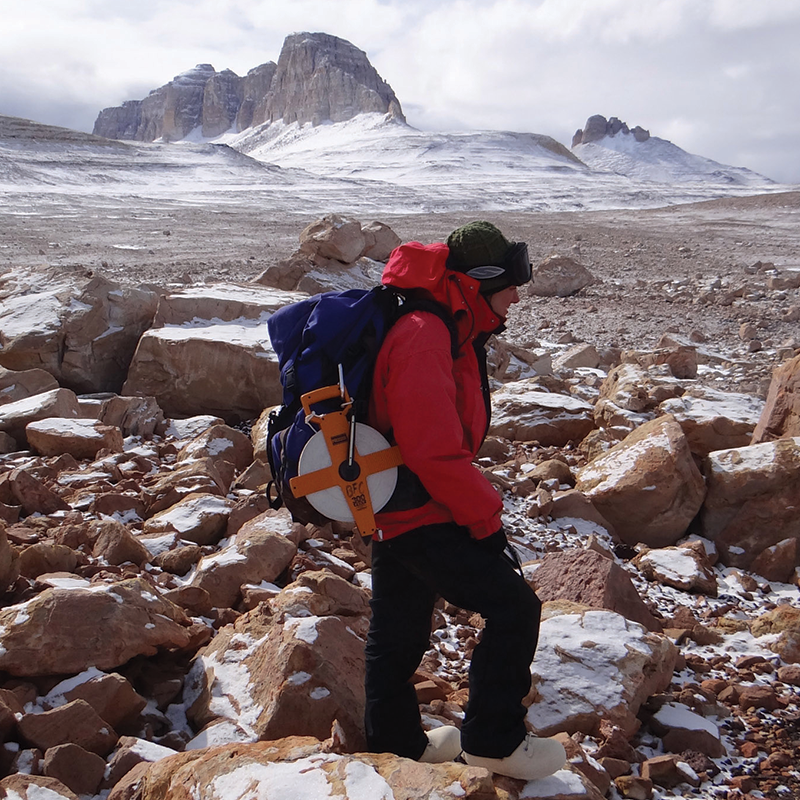
Woman hiking in Antarctica

Research Opportunities

Work with UMass Lowell faculty on current research, including:

  • Chemical analyses of trace metals and stable isotopes
  • Field research across the globe from the Arctic to Antarctica
  • Global-scale and regional weather and climate modeling
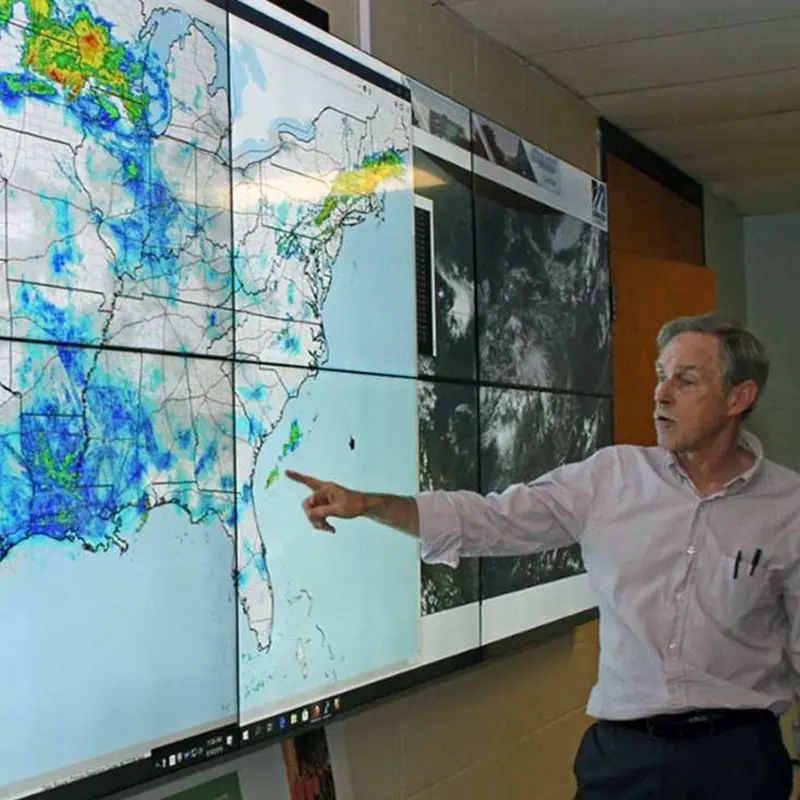
Professor Frank Colby of the EEAS department pointing to large, interactive weather monitor

Digital Weather Wall

Our Digital Weather Wall allows for real-time forecasting and analyses of weather and climate patterns on a large high-resolution display.

Student Organizations

Put your learning into practice by joining student-run clubs and organizations, including:

UMass Lowell environmental science student looks through a microscope as two other students stand nearby looking at a rock sample

Career Connected Experience: The UMass Lowell Guarantee

Every first-time, first-year UMass Lowell student will have the opportunity to pursue at least one Career Connected Experience (internships, co-ops, clinical placements, service learning, study abroad and more) during their undergraduate career — earning pay, credits or both before they graduate.

Visit UMass Lowell

Launch virtual tour

Visit campus, meet our people and picture yourself here. Find in-person and virtual tours and events.

Still Exploring Majors?

We've got 120+ programs. Browse our Program Finder to find the one that's right for you.

View All Programs

Enhance your degree with a: