With UMass Lowell's business administration major, you will hit the ground running, ready to contribute to a dynamic and growing professional field.

Bachelor of Science in Business Administration

A business student shakes another person's hand at UMass Lowell's Manning School of Business.

Become business‑ready from day one. 

The AACSB-accredited Business Administration program at the Manning School of Business at UMass Lowell prepares you to succeed in today’s dynamic, competitive business world. You’ll build knowledge across all functional areas of business while developing the analytical thinking, leadership, ethical judgment and communication skills employers value most.

Hands-on learning is at the heart of the Manning experience. Through case studies, team projects and a globally informed curriculum, you’ll think and act like a business professional. You’ll also gain exposure to emerging technologies, including AI and data analytics, so you graduate with the digital fluency today’s organizations expect.

With access to co-ops, internships, study abroad, service learning, the honors program and undergraduate research, you’ll connect your education to meaningful career opportunities and graduate ready for what’s next.

Interested in completing your degree online? Check out our online Business Administration program.

What Can You Do with a Degree in Business Administration?

Manning graduates are work-ready and prepared to contribute to the global business community.
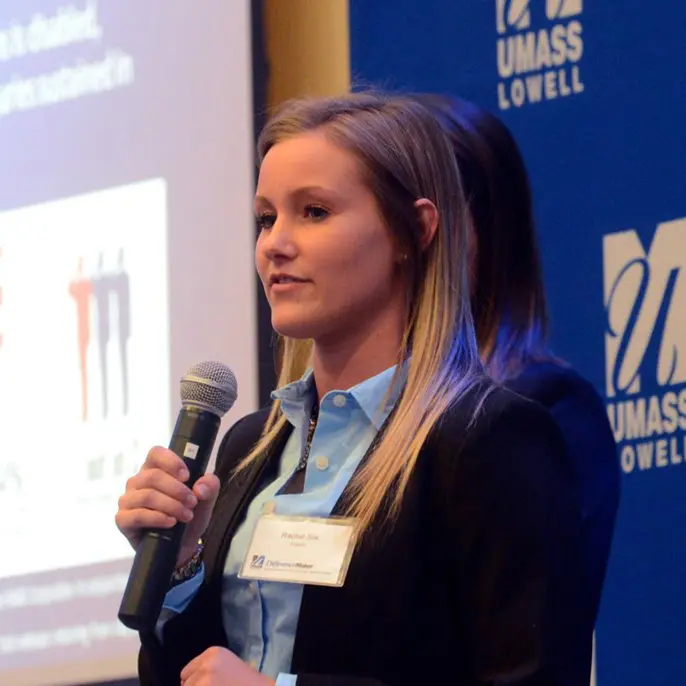
Rachel Silk talking

Our versatile graduates are prepared to work in a wide range of industries, including:

  • Accounting
  • Financial analysis
  • New ventures
  • Supply chain management
  • Digital marketing
  • Financial planning
  • International banking
  • Business management
  • Information systems management
  • Project management

Meet Our Students

Jason McKeon poses for photo in front of Pulichino Tong building.
Jason McKeon '24
International Business and Finance

Class of 2024 Vice President Jason McKeon has made the most of every minute at UML.

Ever since I was young, I knew I was going to go to UMass Lowell. It’s a quality education at an affordable cost.
Emmanuel Idehen-Ovabor works with a female student on a project
Emmanuel Idehen-Ovabor '22
Business and Pre-med

Inspired by his mother’s careers in health care and business, Emmanuel Idehen-Ovabor is working toward a master’s in health care administration while also pursuing his dream of becoming a pediatrician.

I really care about underrepresented and underprivileged communities, and helping them to succeed
Beatriz standing next to chancellor with award
Beatriz Martins '24
Marketing and Management

Honors business student and MLK award-winner Beatriz Martins has learned the value of resilience.

My experience has been a roller coaster, with so many ups and downs and twists. But you can’t be afraid of it.

Year-by-Year Course Plan

Check out our degree pathways, which offer sample plans for completing your degree in four years.

For students who entered fall 2026 and beyond.

Freshman Year

Fall Semester

Course NumberCourse NameCredits
ENGL.1010 /
HONR.1100
College Writing I /
First Year Seminar in Honors: Text in the City (CW)
3
ENTR.1500Introduction to Entrepreneurship and Business3
MIST.2010Business Information Systems3
MATH.1210Management Precalculus (MATH)3
xxxx.xxxxScience Elective (SCL)3
xxxx.xxxxCo-Requisite Science Lab (SCL)31
Total16

Spring Semester

Course NumberCourse NameCredits
Total15
ENGL.1020College Writing II (CW)3
ECON.2020Principles of Macroeconomics3
MKTG.2010Marketing Principles3
FINA.2000Personal Finance3
xxxx.xxxxArts and Humanities Perspective (AH)2/53

Sophomore Year

Fall Semester

Course NumberCourse NameCredits
Total15
ACCT.2010Accounting/Financial3
MKTG.2100Professional Communications (WOC)3
ECON.2010Principles of Microeconomics (SS)3
MATH.2830Introduction to Statistics (STEM)3
xxxx.xxxxArts and Humanities Perspective (AH)2/53

Spring Semester

Course NumberCourse NameCredits
Total15
ACCT.2020Accounting/Managerial3
FINA.3010Financial Management (QL)3
POMS.2010Introduction to Business Analytics3
LGST.2620Introduction to Business Law (SS)3
MIST.2020Emerging Technologies and Data Storytelling3

Junior Year

Fall Semester

Course NumberCourse NameCredits
POMS.3010Operations Management3
MGMT.3010Organizational Behavior3
ACCT.3100Corporate Financial Reporting I3
xxxx.xxxxArts and Humanities Perspective (AH)2/53
xxxx.xxxxSocial Sciences Perspective (SS)23
Total15

Spring Semester

Course NumberCourse NameCredits
Total16
ACCT.3200Corporate Financial Reporting II3
ACCT.3210Cost Accounting (QL)3
xxxx.xxxxManning or Non-Manning Elective43
xxxx.xxxxManning Elective (3000/4000 level)3
xxxx.xxxxScience Elective (SCL)3
xxxx.xxxxCo-Requisite Science Lab (SCL)31

Senior Year

Fall Semester

Course NumberCourse NameCredits
ACCT.3030Accounting Information Systems3
ACCT.3300Corporate Financial Reporting III3
ACCT.4310Federal Income Taxes (IL)3
MGMT.3800Business Ethics (SRE)3
xxxx.xxxxManning or Non-Manning Elective43
Total15

Spring Semester

Course NumberCourse NameCredits
ACCT.4210Auditing3
ACCT.4010Advanced Financial Accounting I (CTPS), (AIL)3
MGMT.4900 /
ENTR.4960
Strategic Management /
Entrepreneurship Strategy Implementation1
3
xxxx.xxxxManning or Non-Manning Elective (3000/4000 level)3
Total15

Total Minimum Credits = 122

Minimum [major] Credits: 36

Maximum [major] that can be counted toward graduation: 54

1Capstone Requirement: Either MGMT.4900 or ENTR.4960 satisfies the Capstone requirement.

2Diversity and Cultural Awareness: The Core Curriculum Diversity and Cultural Awareness (DCA) Essential Learning Outcome is met outside the major. Students are encouraged to select an AH or SS course that meets this degree requirement. Please see the DCA course listing for a full list of classes that fulfill these requirements.

3Science with Lab can be a science course (3 credits) with a separate lab course (1 credit) or a science course with the lab component built into the course (3 credits; Example: CHEM.1010, CHEM.1020, CHEM.1040, LIFE.1080, NUTR.1100).

4Calculus (MATH.1220 or other equivalent course) is recommended as a Manning or non-Manning elective for students intending to pursue graduate degree in the future

5Students are strongly encouraged to take a HIST course as an AH elective.

6Career Connected Experience: Students must complete at least one career-connected experience. Following list provides various alternatives for meeting this requirement.

No more than two Breadth of Knowledge courses can be taken with the same prefix. The Core Curriculum courses may be taken in any sequence. Refer to the Core Curriculum policy for further details. You should meet with your faculty advisor to determine how you will meet the Core Curriculum requirements.

Current UMass Lowell students should use their Advisement Report in SIS. If you need assistance, please contact your adviser.

Restriction on off-campus study:

Be advised that any course taken at another institution must be formally approved prior to enrollment. See the catalog policy for details.

Breadth of Knowledge (BOK) Glossary

  • SS - Social Sciences Perspective - 9 credits
  • AH - Arts and Humanities Perspective - 9 credits
  • SCL - Sciences with Lab Perspective - 6 credits
  • STEM - Science, Technology, Engineering and Math Perspective - 3 credits
  • CW - College Writing I and II - 6 credits
  • MATH - Math Perspective - 3 credits

Read more about the Breadth of Knowledge requirements.

Essential Learning Outcomes (ELO) Glossary

  • AIL - Applied and Integrative Learning
  • CTPS - Critical Thinking and Problem Solving
  • DCA - Diversity and Cultural Awareness
  • IL - Information Literacy
  • QL - Quantitative Literacy
  • SRE - Social Responsibility and Ethics
  • WOC - Written and Oral Communication

Read more about the Essential Learning Outcomes.

For students who entered fall 2026 and beyond.

Freshman Year

Fall Semester

Course NumberCourse NameCredits
Total16
ENGL.1010 /
HONR.1100
College Writing I /
First Year Seminar in Honors: Text in the City (CW)
3
ENTR.1500Introduction to Entrepreneurship and Business3
MIST.2010Business Information Systems3
MATH.1210Management Precalculus (MATH)3
xxxx.xxxxScience Elective (SCL)3
xxxx.xxxxCo-Requisite Science Lab (SCL)31

Spring Semester

Course NumberCourse NameCredits
Total15
ENGL.1020College Writing II (CW)3
ECON.2020Principles of Macroeconomics3
MKTG.2010Marketing Principles3
FINA.2000Personal Finance3
xxxx.xxxxArts and Humanities Perspective (AH)2/53

Sophomore Year

Fall Semester

Course NumberCourse NameCredits
Total15
ACCT.2010Accounting/Financial3
MKTG.2100Professional Communications (WOC)3
ECON.2010Principles of Microeconomics (SS)3
MATH.2830Introduction to Statistics (STEM)3
xxxx.xxxxArts and Humanities Perspective (AH)2/53

Spring Semester

Course NumberCourse NameCredits
Total15
ACCT.2020Accounting/Managerial3
FINA.3010Financial Management (QL)3
POMS.2010Introduction to Business Analytics3
LGST.2620Introduction to Business Law (SS)3
MIST.2020Emerging Technologies and Data Storytelling3

Junior Year

Fall Semester

Course NumberCourse NameCredits
POMS.3010Operations Management3
MGMT.3010Organizational Behavior3
xxxx.xxxxSocial Sciences Perspective (SS)23
xxxx.xxxxArts and Humanities Perspective (AH)2/53
xxxx.xxxxManning or Non-Manning Elective43
Total15

Spring Semester

Course NumberCourse NameCredits
Total16
POMS.4020Global Supply Chain Management (AIL), (IL)3
POMS.4030Service Management (CTPS), (QL)3
xxxx.xxxxManning Elective (3000/4000 level)3
xxxx.xxxxScience Elective (SCL)3
xxxx.xxxxCo-Requisite Science Lab (SCL)1

Senior Year

Fall Semester

Course NumberCourse NameCredits
POMS.4010Logistics and Transportation3
POMS.4040Managerial Quality Control3
MGMT.3800Business Ethics (SRE)3
xxxx.xxxxManning or Non-Manning Elective (3000/4000 level)3
xxxx.xxxxManning or Non-Manning Elective43
Total15

Spring Semester

Course NumberCourse NameCredits
MGMT.4900 /
ENTR.4960
Strategic Management /
Entrepreneurship Strategy Implementation1
3
POMS.3/4xxxAnalytics and Operations Management Elective (3000/4000 level)3
xxxx.xxxxManning Elective (3000/4000 level)3
xxxx.xxxxManning or Non-Manning Elective (3000/4000 level)3
Total15

Total Minimum Credits = 122

Minimum [major] Credits: 36

Maximum [major] that can be counted toward graduation: 54

1Capstone Requirement: Either MGMT.4900 or ENTR.4960 satisfies the Capstone requirement.

2Diversity and Cultural Awareness: The Core Curriculum Diversity and Cultural Awareness (DCA) Essential Learning Outcome is met outside the major. Students are encouraged to select an AH or SS course that meets this degree requirement. Please see the DCA course listing for a full list of classes that fulfill these requirements.

3Science with Lab can be a science course (3 credits) with a separate lab course (1 credit) or a science course with the lab component built into the course (3 credits; Example: CHEM.1010, CHEM.1020, CHEM.1040, LIFE.1080, NUTR.1100).

4Calculus (MATH.1220 or other equivalent course) is recommended as a Manning or non-Manning elective for students intending to pursue graduate degree in the future.

5Students are strongly encouraged to take a HIST course as an AH elective.

6Career Connected Experience: Students must complete at least one career-connected experience. Following list provides various alternatives for meeting this requirement.

No more than two Breadth of Knowledge courses can be taken with the same prefix. The Core Curriculum courses may be taken in any sequence. Refer to the Core Curriculum policy for further details. You should meet with your faculty advisor to determine how you will meet the Core Curriculum requirements.

Current UMass Lowell students should use their Advisement Report in SIS. If you need assistance, please contact your advisor.

Restriction on off-campus study:

Be advised that any course taken at another institution must be formally approved prior to enrollment. See the catalog policy for details.
Breadth of Knowledge (BOK) Glossary

  • SS - Social Sciences Perspective - 9 credits
  • AH - Arts and Humanities Perspective - 9 credits
  • SCL - Sciences with Lab Perspective - 6 credits
  • STEM - Science, Technology, Engineering and Math Perspective - 3 credits
  • CW - College Writing I and II - 6 credits
  • MATH - Math Perspective - 3 credits

Read more about the Breadth of Knowledge requirements.

Essential Learning Outcomes (ELO) Glossary

  • AIL - Applied and Integrative Learning
  • CTPS - Critical Thinking and Problem Solving
  • DCA - Diversity and Cultural Awareness
  • IL - Information Literacy
  • QL - Quantitative Literacy
  • SRE - Social Responsibility and Ethics
  • WOC - Written and Oral Communication

Read more about the Essential Learning Outcomes.

For students who entered spring 2021 to spring 2026.

Freshman Year

Fall Semester

Course NumberCourse NameCredits
Total16
ENGL.1010 /
HONR.1100
College Writing I /
First Year Seminar in Honors: Text in the City (CW)
3
ECON.2010Principles of Microeconomics (SS)3
ENTR.1500Introduction to Entrepreneurship and Business3
MATH.1210Management Precalculus (STEM)3
xxxx.xxxxScience Elective (SCL)3
xxxx.xxxxCo-Requisite Science Lab (SCL)31

Spring Semester

Course NumberCourse NameCredits
Total15
ECON.2020Principles of Macroeconomics (SS)3
ENGL.1020College Writing II (CW)3
MATH.1220Management Calculus (MATH)3
MKTG.2010Marketing Principles3
HIST.xxxxHistory Elective (AH)3

Sophomore Year

Fall Semester

Course NumberCourse NameCredits
Total15
ACCT.2010Accounting/Financial3
ECON.2110Statistics for Business and Economics I3
MKTG.2100Professional Communications (WOC)3
MIST.2010Business Information Systems3
xxxx.xxxxSocial Sciences Perspective (SS)23

Spring Semester

Course NumberCourse NameCredits
Total16
ACCT.2020Accounting/Managerial3
FINA.3010Financial Management (QL)3
POMS.2010Introduction to Business Analytics3
LGST.2620Introduction to Business Law3
xxxx.xxxxScience Elective (SCL)3
xxxx.xxxxCo-Requisite Science Lab (SCL)31

Junior Year

Fall Semester

Course NumberCourse NameCredits
Total15
POMS.3010Operations Management3
MGMT.3010Organizational Behavior3
xxxx.xxxxSocial Sciences Perspective (SS)23
xxxx.xxxxManning Elective (3000/4000 level)3
xxxx.xxxxArts and Humanities Perspective (AH)23

Spring Semester

Course NumberCourse NameCredits
FINA.3210Investments and Portfolio Analysis (IL), (CTPS)3
FINA.3310Principles of Corporate Finance (AIL) 3
FINA.3110Introduction to Financial Statement Analysis3
xxxx.xxxxManning Elective (3000/4000 level)3
xxxx.xxxxArts and Humanities Perspective (AH)23
Total15

Senior Year

Fall Semester

Course NumberCourse NameCredits
Total15
FINA.4410Introduction to Financial Derivatives3
MGMT.3800Business Ethics (SRE)3
FINA.3/4xxxFinance Elective (3000/4000 level)3
xxxx.xxxxManning or Non-Manning Elective3
xxxx.xxxxManning or Non-Manning Elective (3000/4000 level)3

Spring Semester

Course NumberCourse NameCredits
Total15
FINA.4910International Finance3
MGMT.4900 /
ENTR.4960
Strategic Management /
Entrepreneurship Strategy Implementation1
3
FINA.3/4xxxFinance Elective (3000/4000 level)3
xxxx.xxxxManning or Non-Manning Elective3
xxxx.xxxxManning or Non-Manning Elective (3000/4000 level)3

Total Minimum Credits = 122

1Either course satisfies the capstone requirement.

2The Core Curriculum Diversity and Cultural Awareness (DCA) Essential Learning Outcome is met outside the major. Students are encouraged to select an AH or SS course that meets this degree requirement. Please see the DCA course listing for a full list of classes that fulfill these requirements.

3Science with Lab can be a science course (3 credits) with a separate lab course (1 credit) or a science course with the lab component built into the course (3 credits; Example: CHEM.1010, CHEM.1020, CHEM.1040, LIFE.1080, NUTR.1100).

No more than two Breadth of Knowledge courses can be taken with the same prefix. The Core Curriculum courses may be taken in any sequence. Refer to the Core Curriculum policy for further details. You should meet with your faculty advisor to determine how you will meet the Core Curriculum requirements.

Current UMass Lowell students should use their Advisement Report in SIS. If you need assistance, please contact your adviser.

Restriction on off-campus study:

Be advised that any course taken at another institution must be formally approved prior to enrollment. See the catalog policy for details.

Breadth of Knowledge (BOK) Glossary

  • SS - Social Sciences Perspective - 9 credits
  • AH - Arts and Humanities Perspective - 9 credits
  • SCL - Sciences with Lab Perspective - 6 credits
  • STEM - Science, Technology, Engineering and Math Perspective - 3 credits
  • CW - College Writing I and II - 6 credits
  • MATH - Math Perspective - 3 credits

Read more about the Breadth of Knowledge requirements.

Essential Learning Outcomes (ELO) Glossary

  • AIL - Applied and Integrative Learning
  • CTPS - Critical Thinking and Problem Solving
  • DCA - Diversity and Cultural Awareness
  • IL - Information Literacy
  • QL - Quantitative Literacy
  • SRE - Social Responsibility and Ethics
  • WOC - Written and Oral Communication

Read more about the Essential Learning Outcomes.

For students who entered fall 2026 and beyond.

Freshman Year

Fall Semester

Course NumberCourse NameCredits
Total16
ENGL.1010 /
HONR.1100
College Writing I /
First Year Seminar in Honors: Text in the City (CW)
3
ENTR.1500Introduction to Entrepreneurship and Business3
MIST.2010Business Information Systems3
MATH.1210Management Precalculus (MATH)3
xxxx.xxxxScience Elective (SCL)3
xxxx.xxxxCo-Requisite Science Lab (SCL)21

Spring Semester

Course NumberCourse NameCredits
Total15
ENGL.1020College Writing II (CW)3
ECON.2020Principles of Macroeconomics3
MKTG.2010Marketing Principles3
FINA.2000Personal Finance3
xxxx.xxxxArts and Humanities Perspective (AH)43

Sophomore Year

Fall Semester

Course NumberCourse NameCredits
Total15
ACCT.2010Accounting / Financial3
MKTG.2100Professional Communications (WOC)3
ECON.2010Principles of Microeconomics (SS)3
MATH.2830Introduction to Statistics (STEM)3
xxxx.xxxxArts and Humanities Perspective (AH)43

Spring Semester

Course NumberCourse NameCredits
Total15
ACCT.2020Accounting / Managerial3
FINA.3010Financial Management (QL)3
POMS.2010Introduction to Business Analytics3
LGST.2620Introduction to Business Law (SS)3
MIST.2020Emerging Technologies and Data Storytelling3

Junior Year

Fall Semester

Course NumberCourse NameCredits
Total15
POMS.3010Operations Management3
MGMT.3010Organizational Behavior3
ENTR.3000Principles of Innovation and Entrepreneurship (DCA), (WOC)3
xxxx.xxxxSocial Sciences Perspective (SS)3
xxxx.xxxxArts and Humanities Perspective (AH)43

Spring Semester

Course NumberCourse NameCredits
Total16
ENTR.3620 /
ENTR.4630
Corporate Entrepreneurship /
Managing Innovation (IL), (AIL)
3
ENTR.3610Starting a New Venture (CTPS)3
xxxx.xxxxScience Elective (SCL)3
xxxx.xxxxCo-Requisites Science Lab (SCL)21
xxxx.xxxxManning Elective (3000/4000 level)3

Senior Year

Fall Semester

Course NumberCourse NameCredits
ENTR.4640Finance for Emerging Business Enterprises (QL)3
MGMT.3800Business Ethics (SRE)3
xxxx.xxxxManning Elective (3000/4000 level)3
xxxx.xxxxManning or Non-Manning Elective (3000/4000 level)3
xxxx.xxxxManning or Non-Manning Elective33
Total15

Spring Semester

Course NumberCourse NameCredits
Total15
MGMT.4900 /
ENTR.4960
Strategic Management /
Entrepreneurship Strategy Implementation1
3
ENTR.3/4xxxENTR Elective (3000/4000 level)33
xxxx.xxxxManning or Non-Manning Elective33
xxxx.xxxxManning Elective (3000/4000 level)3
xxxx.xxxxManning or Non-Manning Elective (3000/4000 level)3

Total Minimum Credits = 122.

Minimum [major] Credits: 36

Maximum [major] that can be counted toward graduation: 54

1Capstone Requirement: Either MGMT.4900 or ENTR.4960 satisfies the Capstone requirement.

2Science with Lab can be a science course (3 credits) with a separate lab course (1 credit) or a science course with the lab component built into the course (3 credits; Example: CHEM.1010, CHEM.1020, CHEM.1040, LIFE.1080, NUTR.1100).

3Calculus (MATH.1220 or other equivalent course) is recommended as a Manning or non-Manning elective for students intending to pursue graduate degree in the future.

4Students are strongly encouraged to take a HIST course as an AH elective.

5Career Connected Experience: Students must complete at least one career-connected experience. Following list provides various alternatives for meeting this requirement.

No more than two Breadth of Knowledge courses can be taken with the same prefix. The Core Curriculum courses may be taken in any sequence. Refer to the Core Curriculum policy for further details. You should meet with your faculty advisor to determine how you will meet the Core Curriculum requirements.

Current UMass Lowell students should use their Advisement Report in SIS. If you need assistance, please contact your adviser.

Restriction on off-campus study:

Be advised that any course taken at another institution must be formally approved prior to enrollment. See the catalog policy for details.

Breadth of Knowledge (BOK) Glossary

  • SS - Social Sciences Perspective - 9 credits
  • AH - Arts and Humanities Perspective - 9 credits
  • SCL - Sciences with Lab Perspective - 6 credits
  • STEM - Science, Technology, Engineering and Math Perspective - 3 credits
  • CW - College Writing I and II - 6 credits
  • MATH - Math Perspective - 3 credits

Read more about the Breadth of Knowledge requirements.

Essential Learning Outcomes (ELO) Glossary

  • AIL - Applied and Integrative Learning
  • CTPS - Critical Thinking and Problem Solving
  • DCA - Diversity and Cultural Awareness
  • IL - Information Literacy
  • QL - Quantitative Literacy
  • SRE - Social Responsibility and Ethics
  • WOC - Written and Oral Communication

Read more about the Essential Learning Outcomes.

For students who entered Fall 2026 and beyond. 

Freshman Year

Fall Semester

Course NumberCourse NameCredits
Total16
ENGL.1010 /
HONR.1100
College Writing I /
First Year Seminar in Honors: Text in the City (CW)
3
ENTR.1500Introduction to Entrepreneurship and Business3
MIST.2010Business Information Systems3
MATH.1210Management Precalculus (MATH)3
xxxx.xxxxScience Elective (SCL)3
xxxx.xxxxCo-Requisite Science Lab (SCL)41

Spring Semester

Course NumberCourse NameCredits
Total15
ECON.2020Principles of Macroeconomics3
ENGL.1020College Writing II (CW)3
MKTG.2010Marketing Principles 3
FINA.2000Personal Finance3
xxxx.xxxxArts and Humanities Perspective (AH)3/63

Sophomore Year

Fall Semester

Course NumberCourse NameCredits
Total15
ACCT.2010Accounting/Financial3
MKTG.2100Professional Communications (WOC)3
ECON.2010Principles of Microeconomics (SS)3
MATH.2830Introduction to Statistics (STEM)3
xxxx.xxxxArts and Humanities Perspective (AH)3/63

Spring Semester

Course NumberCourse NameCredits
Total15
ACCT.2020Accounting/Managerial3
FINA.3010Financial Management (QL)3
POMS.2010Introduction to Business Analytics3
LGST.2620Introduction to Business Law (SS)3
MIST.2020Emerging Technologies and Data Storytelling3

Junior Year

Fall Semester

Course NumberCourse NameCredits
Total15
MGMT.3010Organizational Behavior3
POMS.3010Operations Management3
xxxx.xxxxManning Elective (3000/4000 level)3
xxxx.xxxxSocial Sciences Perspective (SS)3
xxxx.xxxxArts and Humanities Perspective (AH)3/63

Spring Semester

Course NumberCourse NameCredits
Total16
MKTG.4120Global Marketing (DCA)3
MGMT.4350 /
MGMT.4400
International Management /
International Business (QL)
3
xxxx.xxxxInternational Business Elective (3000/4000 level)13
xxxx.xxxxManning Elective (3000/4000 level)3
xxxx.xxxxScience Elective (SCL)3
xxxx.xxxxCo-Requisites Science Lab (SCL)43

Senior Year

Fall Semester

Course NumberCourse NameCredits
Total15
POMS.4020Global Supply Chain Management (AIL), (IL)3
MGMT.3800Business Ethics (SRE)3
xxxx.xxxxManning Elective (3000/4000 level)3
xxxx.xxxxManning or Non-Manning Elective (3000/4000 level)3
xxxx.xxxxManning or Non-Manning Elective53

Spring Semester

Course NumberCourse NameCredits
Total15
FINA.4910International Finance3
MGMT.4900 /
ENTR.4960
Strategic Management /
Entrepreneurship Strategy Implementation2
3
xxxx.xxxxManning or Non-Manning Elective53
xxxx.xxxxManning Elective (3000/4000 level)3
xxxx.xxxxManning or Non-Manning Elective (3000/4000 level)3

Total Minimum Credits = 122

Minimum [major] Credits: 36

Maximum [major] that can be counted toward graduation: 54

1International Business Electives (3000/4000 level):

2Capstone Requirement: Either MGMT.4900 or ENTR.4960 satisfies the Capstone requirement.

3Diversity and Cultural Awareness: The Core Curriculum Diversity and Cultural Awareness (DCA) Essential Learning Outcome is met outside the major. Students are encouraged to select an AH or SS course that meets this degree requirement. Please see the DCA course listing for a full list of classes that fulfill these requirements.

4Science with Lab can be a science course (3 credits) with a separate lab course (1 credit) or a science course with the lab component built into the course (3 credits; Example: CHEM.1010, CHEM.1020, CHEM.1040, LIFE.1080, NUTR.1100).

5Calculus (MATH.1220 or other equivalent course) is recommended as a Manning or non-Manning elective for students intending to pursue graduate degree in the future.

6Students are strongly encouraged to take a HIST course as an AH elective.

7Career Connected Experience: Students must complete at least one career-connected experience. Following list provides various alternatives for meeting this requirement.

No more than two Breadth of Knowledge courses can be taken with the same prefix. The Core Curriculum courses may be taken in any sequence. Refer to the Core Curriculum policy for further details. You should meet with your faculty advisor to determine how you will meet the Core Curriculum requirements.

Current UMass Lowell students should use their Advisement Report in SIS. If you need assistance, please contact your adviser.

Restriction on off-campus study:

Be advised that any course taken at another institution must be formally approved prior to enrollment. See the catalog policy for details.
Breadth of Knowledge (BOK) Glossary

  • SS - Social Sciences Perspective - 9 credits
  • AH - Arts and Humanities Perspective - 9 credits
  • SCL - Sciences with Lab Perspective - 6 credits
  • STEM - Science, Technology, Engineering and Math Perspective - 3 credits
  • CW - College Writing I and II - 6 credits
  • MATH - Math Perspective - 3 credits

Read more about the Breadth of Knowledge requirements.

Essential Learning Outcomes (ELO) Glossary

  • AIL - Applied and Integrative Learning
  • CTPS - Critical Thinking and Problem Solving
  • DCA - Diversity and Cultural Awareness
  • IL - Information Literacy
  • QL - Quantitative Literacy
  • SRE - Social Responsibility and Ethics
  • WOC - Written and Oral Communication

Read more about the Essential Learning Outcomes.

For students who entered fall 2026 and beyond.

Freshman Year

Fall Semester

Course NumberCourse NameCredits
Total16
ENGL.1010 /
HONR.1100
College Writing I /
First Year Seminar in Honors: Text in the City (CW)
3
ENTR.1500Introduction to Entrepreneurship and Business3
MIST.2010Business Information Systems3
MATH.1210Management Precalculus (MATH)3
xxxx.xxxxScience Elective (SCL)3
xxxx.xxxxCo-Requisite Science Lab (SCL)31

Spring Semester

Course NumberCourse NameCredits
Total15
ENGL.1020College Writing II (CW)3
ECON.2020Principles of Macroeconomics3
MKTG.2010Marketing Principles3
FINA.2000Personal Finance3
xxxx.xxxxArts and Humanities Perspective (AH)2/53

Sophomore Year

Fall Semester

Course NumberCourse NameCredits
Total15
ACCT.2010Accounting / Financial3
MKTG.2100Professional Communications (WOC)3
ECON.2010Principles of Microeconomics (SS)3
MATH.2830Introduction to Statistics (STEM)3
xxxx.xxxxArts and Humanities Perspective (AH)2/53

Spring Semester

Course NumberCourse NameCredits
Total15
ACCT.2020Accounting / Managerial3
FINA.3010Financial Management (QL)3
POMS.2010Introduction to Business Analytics3
LGST.2620Introduction to Business Law (SS)3
MIST.2020Emerging Technologies and Data Storytelling3

Junior Year

Fall Semester

Course NumberCourse NameCredits
Total16
MGMT.3010Organizational Behavior3
POMS.3010Operations Management3
xxxx.xxxxScience Elective (SCL)3
xxxx.xxxxCo-Requisites Science Lab (SCL)31
xxxx.xxxxArts and Humanities Perspective (AH)2/53
xxxx.xxxxSocial Sciences Perspective (SS)23

Spring Semester

Course NumberCourse NameCredits
MGMT.3100Human Resources Management (AIL)3
MGMT.4100Negotiation Strategy and Process (CTPS)3
xxxx.xxxxManning Elective (3000/4000 level)3
xxxx.xxxxManning or Non-Manning Elective43
Total15

Senior Year

Fall Semester

Course NumberCourse NameCredits
Total15
MGMT.3800Business Ethics (SRE)3
MGMT.4150Managing Teams and Projects3
MGMT.3/4xxxManagement Elective (3000/4000 level)
3
xxxx.xxxxManning Elective (3000/4000 level)3
xxxx.xxxxManning or Non-Manning Elective (3000/4000 level)3

Spring Semester

Course NumberCourse NameCredits
Total15
MGMT.4200Leadership Processes (IL)3
MGMT.4900 /
ENTR.4960
Strategic Management /
Entrepreneurship Strategy Implementation1
3
xxxx.xxxxManning Elective (3000/4000 level)3
xxxx.xxxxManning or Non-Manning Elective (3000/4000 level)3
xxxx.xxxxManning or Non-Manning Elective43

Total Minimum Credits = 122

Minimum [major] Credits: 36

Maximum [major] that can be counted toward graduation: 54

1Capstone Requirement: Either MGMT.4900 or ENTR.4960 satisfies the Capstone requirement.

2Diversity and Cultural Awareness: The Core Curriculum Diversity and Cultural Awareness (DCA) Essential Learning Outcome is met outside the major. Students are encouraged to select an AH or SS course that meets this degree requirement. Please see the DCA course listing for a full list of classes that fulfill these requirements.

3Science with Lab can be a science course (3 credits) with a separate lab course (1 credit) or a science course with the lab component built into the course (3 credits; Example: CHEM.1010, CHEM.1020, CHEM.1040, LIFE.1080, NUTR.1100).

4Calculus (MATH.1220 or other equivalent course) is recommended as a Manning or non-Manning elective for students intending to pursue graduate degree in the future.

5Students are strongly encouraged to take a HIST course as an AH elective. 

6Career Connected Experience: Students must complete at least one career-connected experience. Following list provides various alternatives for meeting this requirement.

No more than two Breadth of Knowledge courses can be taken with the same prefix. The Core Curriculum courses may be taken in any sequence. Refer to the Core Curriculum policy for further details. You should meet with your faculty advisor to determine how you will meet the Core Curriculum requirements.

Current UMass Lowell students should use their Advisement Report in SIS. If you need assistance, please contact your adviser.

Restriction on off-campus study:

Be advised that any course taken at another institution must be formally approved prior to enrollment. See the catalog policy for details.

Breadth of Knowledge (BOK) Glossary

  • SS - Social Sciences Perspective - 9 credits
  • AH - Arts and Humanities Perspective - 9 credits
  • SCL - Sciences with Lab Perspective - 6 credits
  • STEM - Science, Technology, Engineering and Math Perspective - 3 credits
  • CW - College Writing I and II - 6 credits
  • MATH - Math Perspective - 3 credits

Read more about the Breadth of Knowledge requirements.

Essential Learning Outcomes (ELO) Glossary

  • AIL - Applied and Integrative Learning
  • CTPS - Critical Thinking and Problem Solving
  • DCA - Diversity and Cultural Awareness
  • IL - Information Literacy
  • QL - Quantitative Literacy
  • SRE - Social Responsibility and Ethics
  • WOC - Written and Oral Communication

Read more about the Essential Learning Outcomes.

For students who entered fall 2026 and beyond.

Freshman Year

Fall Semester

Course NumberCourse NameCredits
Total16
ENGL.1010 /
HONR.1100
College Writing I /
First Year Seminar in Honors: Text in the City (CW)
3
ENTR.1500Introduction to Entrepreneurship and Business3
MIST.2010Business Information Systems3
MATH.1210Management Precalculus (MATH)3
xxxx.xxxxScience Elective (SCL)3
xxxx.xxxxCo-Requisite Science Lab (SCL)31

Spring Semester

Course NumberCourse NameCredits
Total15
ECON.2020Principles of Macroeconomics3
ENGL.1020College Writing II (CW)3
MKTG.2010Marketing Principles3
FINA.2000Personal Finance3
xxxx.xxxxArts and Humanities Perspective (AH)2/53

Sophomore Year

Fall Semester

Course NumberCourse NameCredits
Total15
ACCT.2010Accounting / Financial3
MKTG.2100Professional Communications (WOC)3
ECON.2010Principles of Microeconomics (SS)3
MATH.2830Introduction to Statistics (STEM)3
xxxx.xxxxArts and Humanities Perspective (AH)2/53

Spring Semester

Course NumberCourse NameCredits
Total15
ACCT.2020Accounting / Managerial3
FINA.3010Financial Management (QL)3
POMS.2010Introduction to Business Analytics3
LGST.2620Introduction to Business Law (SS)3
MIST.2020Emerging Technologies and Data Storytelling3

Junior Year

Fall Semester

Total15
Course NumberCourse NameCredits
MIST.3050Business Applications Development (CTPS)3
MGMT.3010Organizational Behavior3
POMS.3010Operations Management3
xxxx.xxxxArts and Humanities Perspective (AH)2/53
xxxx.xxxxSocial Sciences Perspective (SS)23

Spring Semester

Course NumberCourse NameCredits
Total16
MIST.3030Database Management Systems (IL)3
MIST.3040Data Communications and Networks (QL)3
xxxx.xxxxManning Elective (3000/4000 level)3
xxxx.xxxxScience Elective (SCL)3
xxxx.xxxxCo-Requisite Science Lab (SCL)31

Senior Year

Fall Semester

Course NumberCourse NameCredits
MGMT.3800Business Ethics (SRE)3
MIST.3/4xxxManagement Information Systems Elective (3000/4000 level)3
xxxx.xxxxManning Elective (3000/4000 level)3
xxxx.xxxxManning or Non-Manning Elective (3000/4000 level)3
xxxx.xxxxManning or Non-Manning Elective43
Total15

Spring Semester

Total15
Course NumberCourse NameCredits
MIST.4020Systems Analysis and Design3
MGMT.4900 /
ENTR.4960
Strategic Management /
Entrepreneurship Strategy Implementation1
3
xxxx.xxxxManning or Non-Manning Elective43
xxxx.xxxxManning Elective (3000/4000 level)3
xxxx.xxxxManning or Non-Manning Elective (3000/4000 level)3

Total Minimum Credits = 122

Minimum [major] Credits: 36

Maximum [major] that can be counted toward graduation: 54

1Capstone Requirement: Either MGMT.4900 or ENTR.4960 satisfies the Capstone requirement.

2Diversity and Cultural Awareness: The Core Curriculum Diversity and Cultural Awareness (DCA) Essential Learning Outcome is met outside the major. Students are encouraged to select an AH or SS course that meets this degree requirement. Please see the DCA course listing for a full list of classes that fulfill these requirements.

3Science with Lab can be a science course (3 credits) with a separate lab course (1 credit) or a science course with the lab component built into the course (3 credits; Example: CHEM.1010, CHEM.1020, CHEM.1040, LIFE.1080, NUTR.1100).

4Calculus (MATH.1220 or other equivalent course) is recommended as a Manning or non-Manning elective for students intending to pursue graduate degree in the future.

5Students are strongly encouraged to take a HIST course as an AH elective.

6Career Connected Experience: Students must complete at least one career-connected experience. Following list provides various alternatives for meeting this requirement.

No more than two Breadth of Knowledge courses can be taken with the same prefix. The Core Curriculum courses may be taken in any sequence. Refer to the Core Curriculum policy for further details. You should meet with your faculty advisor to determine how you will meet the Core Curriculum requirements.

Current UMass Lowell students should use their Advisement Report in SIS. If you need assistance, please contact your advisor.

Restriction on off-campus study:

Be advised that any course taken at another institution must be formally approved prior to enrollment. See the catalog policy for details.

Breadth of Knowledge (BOK) Glossary

  • SS - Social Sciences Perspective - 9 credits
  • AH - Arts and Humanities Perspective - 9 credits
  • SCL - Sciences with Lab Perspective - 6 credits
  • STEM - Science, Technology, Engineering and Math Perspective - 3 credits
  • CW - College Writing I and II - 6 credits
  • MATH - Math Perspective - 3 credits

Read more about the Breadth of Knowledge requirements.

Essential Learning Outcomes (ELO) Glossary

  • AIL - Applied and Integrative Learning
  • CTPS - Critical Thinking and Problem Solving
  • DCA - Diversity and Cultural Awareness
  • IL - Information Literacy
  • QL - Quantitative Literacy
  • SRE - Social Responsibility and Ethics
  • WOC - Written and Oral Communication

Read more about the Essential Learning Outcomes.

For students who entered spring 2021 to fall 2026.

Freshman Year

Fall Semester

Course NumberCourse NameCredits
Total16
ENGL.1010 /
HONR.1100
College Writing I /
First Year Seminar in Honors: Text in the City (CW)
3
ECON.2010Principles of Microeconomics (SS)3
ENTR.1500Introduction to Entrepreneurship3
MATH.1210Management Precalculus (STEM)3
xxxx.xxxxSciences with Lab Perspective (SCL)3
xxxx.xxxxCo-Requisite Science Lab (SCL)21

Spring Semester

Course NumberCourse NameCredits
Total15
ECON.2020Principles of Macroeconomics (SS)3
ENGL.1020College Writing II (CW)3
MATH.1220Management Calculus (MATH)3
MKTG.2010Marketing Principles3
HIST.xxxxHistory Elective (AH)3

Sophomore Year

Fall Semester

Course NumberCourse NameCredits
Total15
ACCT.2010Accounting / Financial3
ECON.2110Statistics I3
MKTG.2100Professional Communications (WOC)3
MIST.2010Business Information Systems3
xxxx.xxxxSocial Sciences Perspective (SS)3

Spring Semester

Course NumberCourse NameCredits
Total16
ACCT.2020Accounting / Managerial3
FINA.3010Financial Management (QL)3
POMS.2010Introduction to Business Analytics3
LGST.2620Business Law3
xxxx.xxxxScience Elective (SCL)3
xxxx.xxxxCo-Requisite Science Lab (SCL)21

Junior Year

Fall Semester

Course NumberCourse NameCredits
Total15
POMS.3010Operations Management3
MGMT.3010Organizational Behavior3
MKTG.3130Sales and Customer Relations3
xxxx.xxxxSocial Sciences Perspective (SS)3
xxxx.xxxxArts and Humanities Perspective (AH)3

Spring Semester

Course NumberCourse NameCredits
MKTG.3150New Product and Service Management (AIL), (IL)3
xxxx.xxxxArts and Humanities Perspective (AH)3
xxxx.xxxxManning Elective (3000/4000 level)3
Total15

Senior Year

Fall Semester

Course NumberCourse NameCredits
MKTG.4120Global Marketing (DCA)3
MGMT.3800Business Ethics (SRE)3
MKTG.3/4xxxMarketing Elective (3000/4000 level)3
xxxx.xxxxManning or Non-Manning Elective (3000/4000 level)3
xxxx.xxxxManning or Non-Manning Elective3
Total15

Spring Semester

Course NumberCourse NameCredits
Total15
MKTG.4110Marketing Analytics (CTPS), (QL)3
MGMT.4900 /
ENTR.4960
Strategic Management /
Entrepreneurship Strategy Implementation1
3
xxxx.xxxxManning or Non-Manning Elective3
xxxx.xxxxManning Elective (3000/4000 level)3
xxxx.xxxxManning or Non-Manning Elective (3000/4000 level)3

Total Minimum Credits = 122

1Either course satisfies the Capstone requirement.

2Science with Lab can be a science course (3 credits) with a separate lab course (1 credit) or a science course with the lab component built into the course (3 credits; Example: CHEM.1010, CHEM.1020, CHEM.1040, LIFE.1080, NUTR.1100).

No more than two Breadth of Knowledge courses can be taken with the same prefix. The Core Curriculum courses may be taken in any sequence. Refer to the Core Curriculum policy for further details. You should meet with your faculty advisor to determine how you will meet the Core Curriculum requirements.

Current UMass Lowell students should use their Advisement Report in SIS. If you need assistance, please contact your adviser.

Restriction on off-campus study:

Be advised that any course taken at another institution must be formally approved prior to enrollment. See the catalog policy for details.
Breadth of Knowledge (BOK) Glossary

  • SS - Social Sciences Perspective - 9 credits
  • AH - Arts and Humanities Perspective - 9 credits
  • SCL - Sciences with Lab Perspective - 6 credits
  • STEM - Science, Technology, Engineering and Math Perspective - 3 credits
  • CW - College Writing I and II - 6 credits
  • MATH - Math Perspective - 3 credits

Read more about the Breadth of Knowledge requirements.

Essential Learning Outcomes (ELO) Glossary

  • AIL - Applied and Integrative Learning
  • CTPS - Critical Thinking and Problem Solving
  • DCA - Diversity and Cultural Awareness
  • IL - Information Literacy
  • QL - Quantitative Literacy
  • SRE - Social Responsibility and Ethics
  • WOC - Written and Oral Communication

Read more about the Essential Learning Outcomes.

Learning Outcomes

The mission of the B.S. in Business Administration program is to provide undergraduate students with business knowledge and to prepare them to communicate effectively, analyze critically, lead ethically and navigate the diverse global business environment with technological proficiency.

Bachelor of Science in Business Administration (BSBA) Learning Goals and Objectives: 

GOAL 1: Our graduates shall demonstrate the ability to clearly, efficiently, and effectively communicate business-related information in applying both oral and written methods. Students will demonstrate an ability to: 

  • Construct a strategy for business communications using a variety of communication formats; 
  • Identify and adapt to audience needs and expectations; 
  • Develop a sequential series of logical arguments that are appropriately supported with facts; 
  • Formulate ideas effectively in public presentation settings, including graphics, layout, and writing components; and 
  • Apply business courtesies and professional self-presentation in all aspects of the program. 

GOAL 2: Our graduates shall demonstrate the ability to apply and integrate quantitative and qualitative knowledge and techniques from across all functional areas of business. Successful students will demonstrate an ability to: 

  • Discriminate among the role, processes, and structures of operational functions of a business (e.g. sales, manufacturing, distribution, customer support); 
  • Compare and contrast the role, processes, and structure of support functions of a business (e.g. management, marketing, finance, R&D, IT, human resources); 
  • Analyze and explain the contributions of business disciplines to the competitive strategies, innovations, decision-making and operations of various sizes and types of organizations, industry sectors, processes and functions; 
  • Apply qualitative and quantitative business methods to the analysis of business problems; 
  • Combine and integrate principles and techniques from multiple business disciplines to the analysis of complex business situations; and 
  • Propose solutions to business situations using effective decision-making skills. 

GOAL 3: Our graduates shall demonstrate the ability to apply team management skills as both an effective team member and leader. Successful students will demonstrate an ability to: 

  • Persuade, influence, motivate and provide guidance to others (In a team setting); 
  • Facilitate a range of group decision making techniques ; 
  • Engender and sustain trust of team members; 
  • Effectively plan, manage, and lead a team project; 
  • Effectively use technology to facilitate and support group activities and processes; and 
  • Evaluate and apply the strengths of a diverse team (including ability, ethnicity, religion, gender, sexual orientation, age, generation). 

GOAL 4: Our graduates shall demonstrate the ability to integrate the use of information and communication technologies to solve business problems. Successful students will demonstrate an ability to: 

  • Dissect the critical issues in a problem the by decomposing the main issue into sub-problems; 
  • Analyze data to support decision-making using a variety of business analytic techniques; 
  • Evaluate a technology, criticize its strengths and weaknesses, and appraise its usefulness to solve business problems; and 
  • Propose a software-enabled solution to the business problem. 

GOAL 5: Our graduates shall demonstrate the ability to identify the global changes affecting business and apply this knowledge in business decision-making. Successful students will demonstrate an ability to: 

  • Identify how their actions affect both local and global communities; 
  • Compare and contrast cultural differences and how these affect best practice; 
  • Analyze the effect the interrelationships within and across cultures and global communities has on business; and 
  • Demonstrate knowledge of regulatory and cultural practices necessary to support business decision-making in a global environment. 

GOAL 6: Our graduates shall demonstrate the ability to apply ethical reasoning and knowledge of social responsibility for personal and professional decision making. Successful students will demonstrate an ability to: 

  • Explain the historical and philosophical bases of ethical decision-making and social responsibility; 
  • Compare and contrast the models that support ethical reasoning including their limitations in a business environment; 
  • Develop personal and professional decisions by applying knowledge and skills obtained from the study of ethics and social responsibility, and 
  • Articulate how their ethical framework and knowledge of social responsibility shape their actions.

Why study business administration at UMass Lowell?

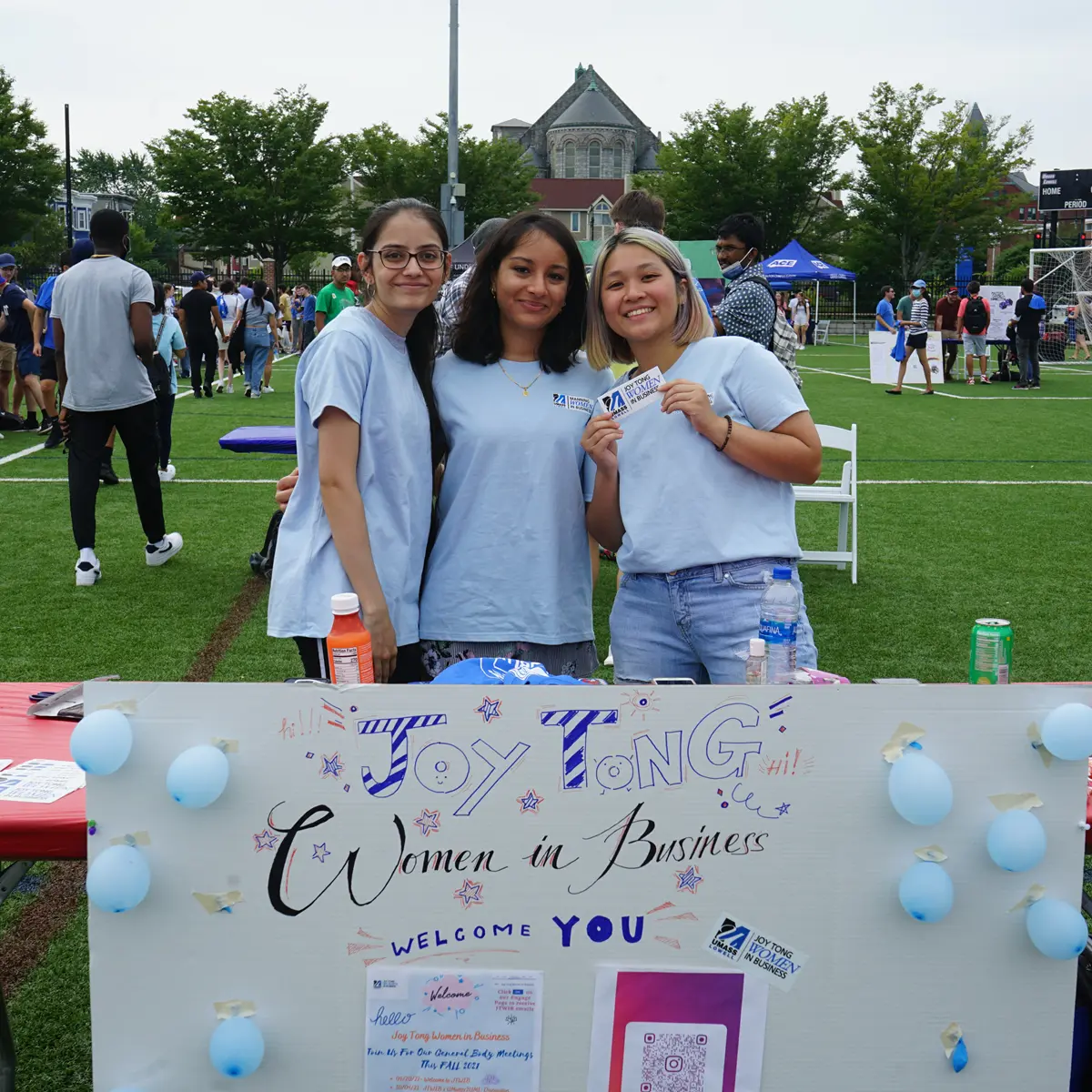
Joy Tong Women in Business

Student Leadership Organizations

Put your learning into practice by joining our student leadership organizations, including:

Students sitting in Pulichino Tong

Co-op Placements

Gain career-ready skills and build a professional network through our robust internship and professional co-op program. Employers who have provided co-op positions include:

  • DCU
  • Dell EMC
  • John Hancock
  • iRobot
  • Liberty Mutual
  • Powers & Sullivan
  • and many more
Group of students sit in front of a global communications exhibition sign

Global Learning

  • Study abroad to experience other cultures, travel and meet people from all over the world
  • Participate in the award-winning Global Entrepreneurship Exchange (GE2), which immerses students in interdisciplinary and multicultural teams with students from over 20 countries to solve problems through entrepreneurship and innovation.
Two UMass Lowell students looking at computer screens.

Career Connected Experience: The UMass Lowell Guarantee

Every first-time, first-year UMass Lowell student will have the opportunity to pursue at least one Career Connected Experience (internships, co-ops, clinical placements, service learning, study abroad and more) during their undergraduate career — earning pay, credits or both before they graduate.

Visit UMass Lowell

Launch virtual tour

Visit campus, meet our people and picture yourself here. Find in-person and virtual tours and events.

Still Exploring Majors?

We've got 120+ programs. Browse our Program Finder to find the one that's right for you.

View All Programs

Contact Us

Amit Deokar, Associate Dean, Undergraduate Programs
Phone: 978-934-5524
Email: amit_deokar@uml.edu

Dana Anstey Undergraduate Programs Coordinator
Phone: 978-934-5928
Email: dana_anstey@uml.edu