 Image by Ed Brennen
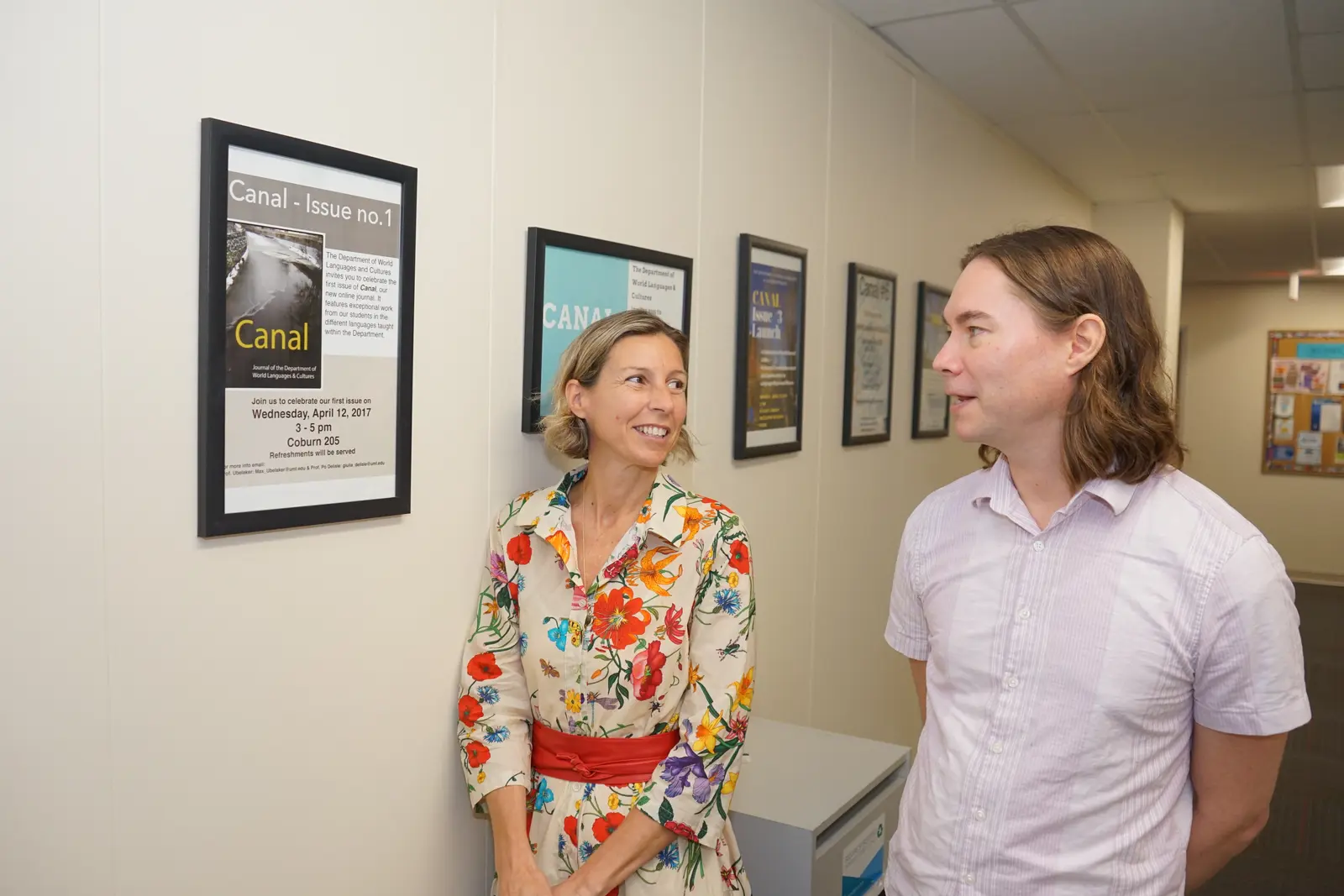
 Associate Professor Giulia Po DeLisle, left, and Associate Teaching Professor Max Ubelaker Andrade launched the first issue of Canal, the Department of World Languages and Cultures multilingual journal, 10 years ago.
English alum Julián Viviescas Mejía ’24 is building a career around making complex issues understandable.
As communications director for Boston City Councilor Ruthzee Louijeune, he helps explain legislative initiatives, connect residents with resources and tell the stories behind public policy.
The writing, research and multilingual communication skills he relies upon took shape at UMass Lowell, where he developed two projects for publication in Canal, the Department of World Languages and Cultures’ annual online journal.
Those projects — including an interview with a former European Parliament member about migration — inspired Viviescas Mejía to volunteer at a refugee community center in Greece after graduation and reinforced his interest in multilingual communication and public service.
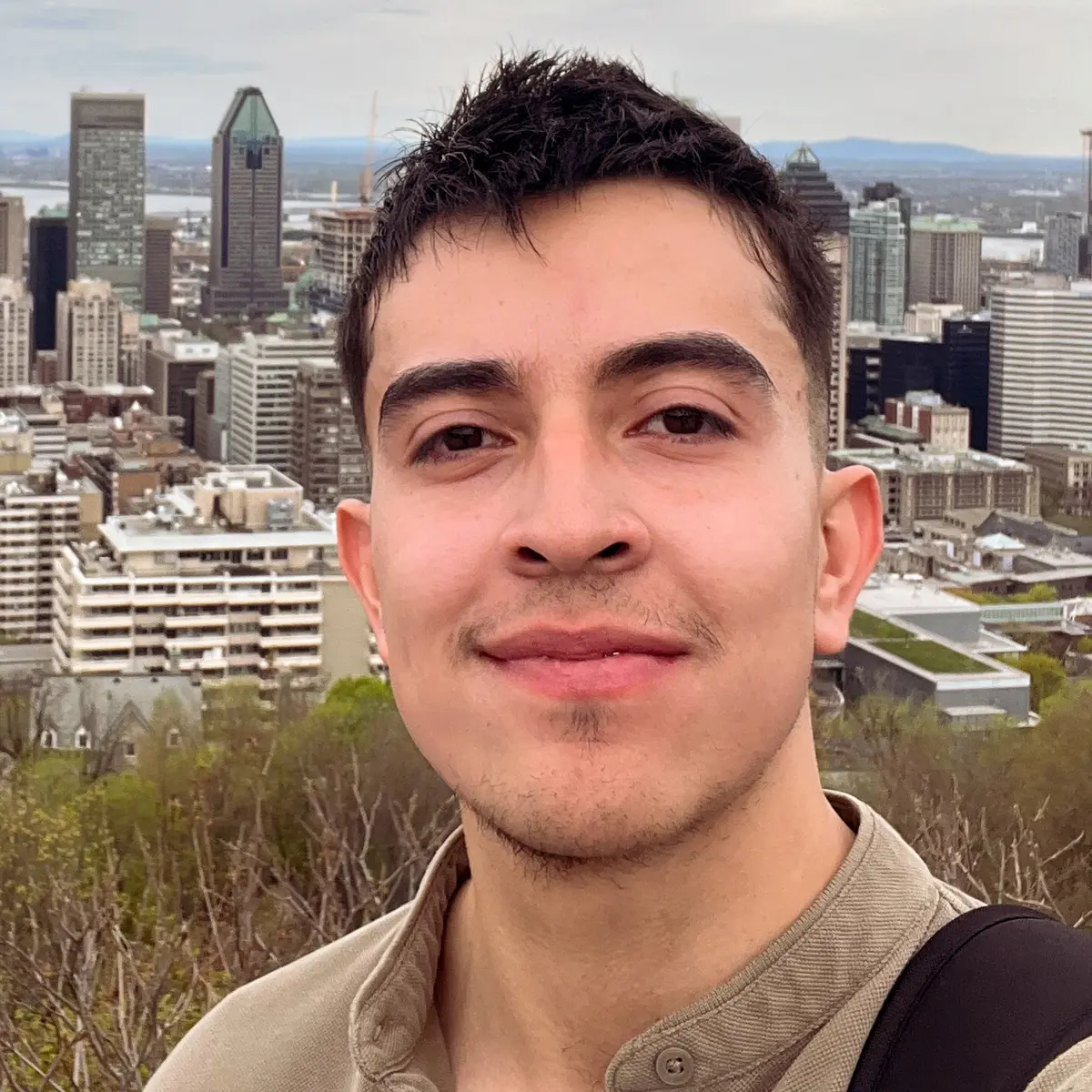 Image by courtesy
 English alum Julian Viviescas Mejia '24 says publishing in Canal inspired his career path in political communications.
His reflection is one of 18 featured in the edition, which invited alumni from across Canal’s first decade to look back on the journal’s impact. Together, their stories show how multilingual undergraduate research and creative projects evolved into careers, graduate studies and lifelong pursuits.
Founded in 2017 by Associate Teaching Professor Max Ubelaker Andrade and Associate Professor Giulia Po DeLisle, Canal publishes student research and creative work in multiple languages, including Spanish, Italian, French, Portuguese, Chinese, Khmer and German. Each piece is accompanied by an English-language abstract.
“We wanted to create a space where our students could find a voice beyond the department and the courses they were taking,” says Po DeLisle, who teaches Italian studies.
Over the past decade, Canal has published 55 essays, 11 poetry projects, nine interviews and 37 projects focused on language learning, spanning subjects from environmental science, psychology and immigration to literature, fashion history and multilingual education. Many of the projects begin as classroom assignments, while others are independent documentaries, interviews, translations or creative works.
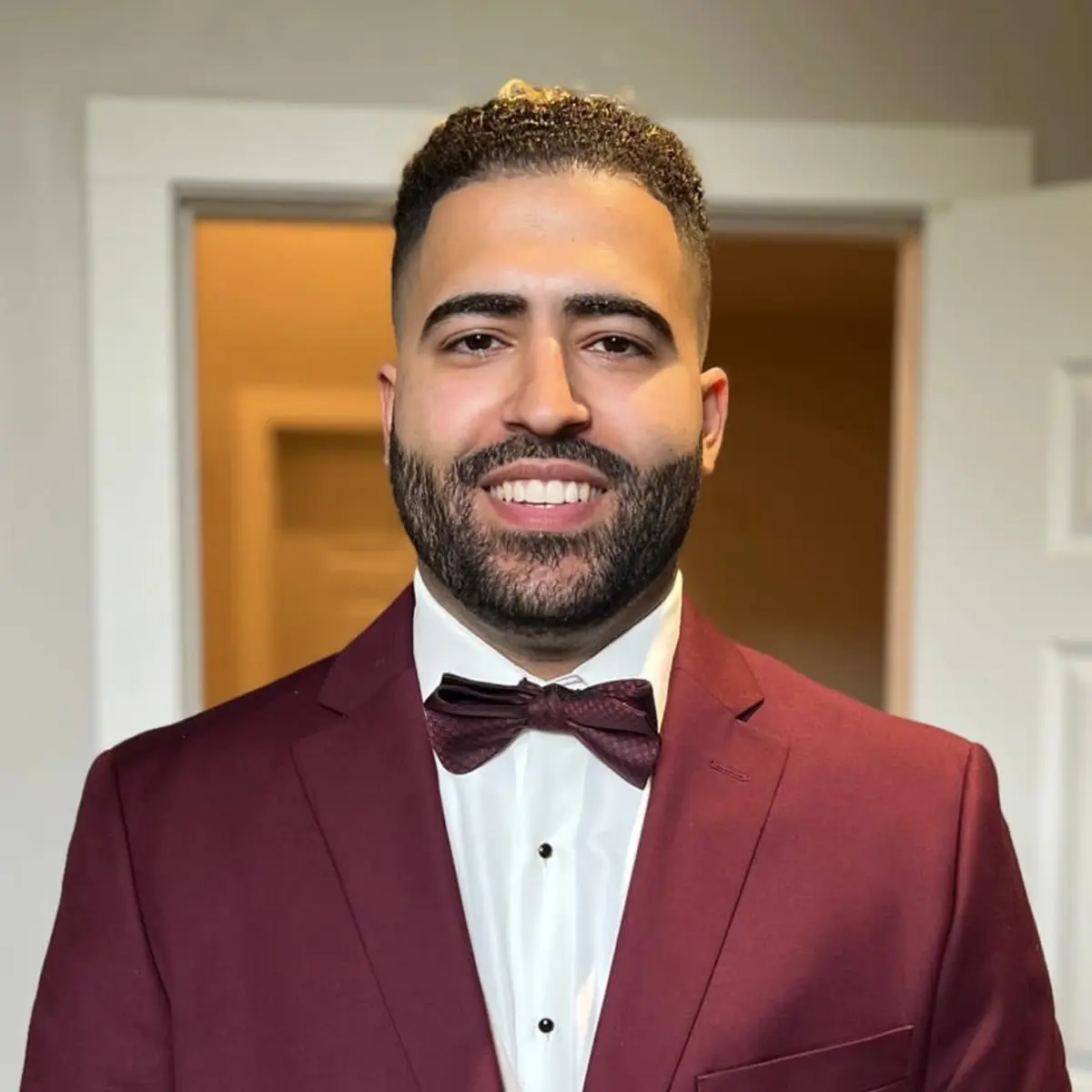 Image by courtesy
 Modern languages alum Leo Contreras '15 published in the inaugural issue of Canal.
“It’s important for students to be taken seriously in terms of what they're offering,” Ubelaker Andrade says. “For many, it’s the first time they think, ‘I'm a writer.’ They begin to see themselves as writers, thinkers and researchers.”
Ubelaker Andrade, who teaches Latin American studies, says the alumni reflections in Canal’s 10th anniversary issue confirmed what he’s seen for years.
“These projects have been, effectively, career sparks,” he says. “They became seeds that grew into master’s programs, bigger research projects and serious career choices.”
Modern languages alum Leo Contreras '15, whose essay in Canal’s inaugural issue reflected on using his Spanish education to support bilingual children and families as a therapeutic mentor, says publishing his first professional work in Spanish became “the beginning of my professional path.” Today, he serves as an employment counselor with the Massachusetts Executive Office of Labor and Workforce Development, helping bilingual job seekers across the state.
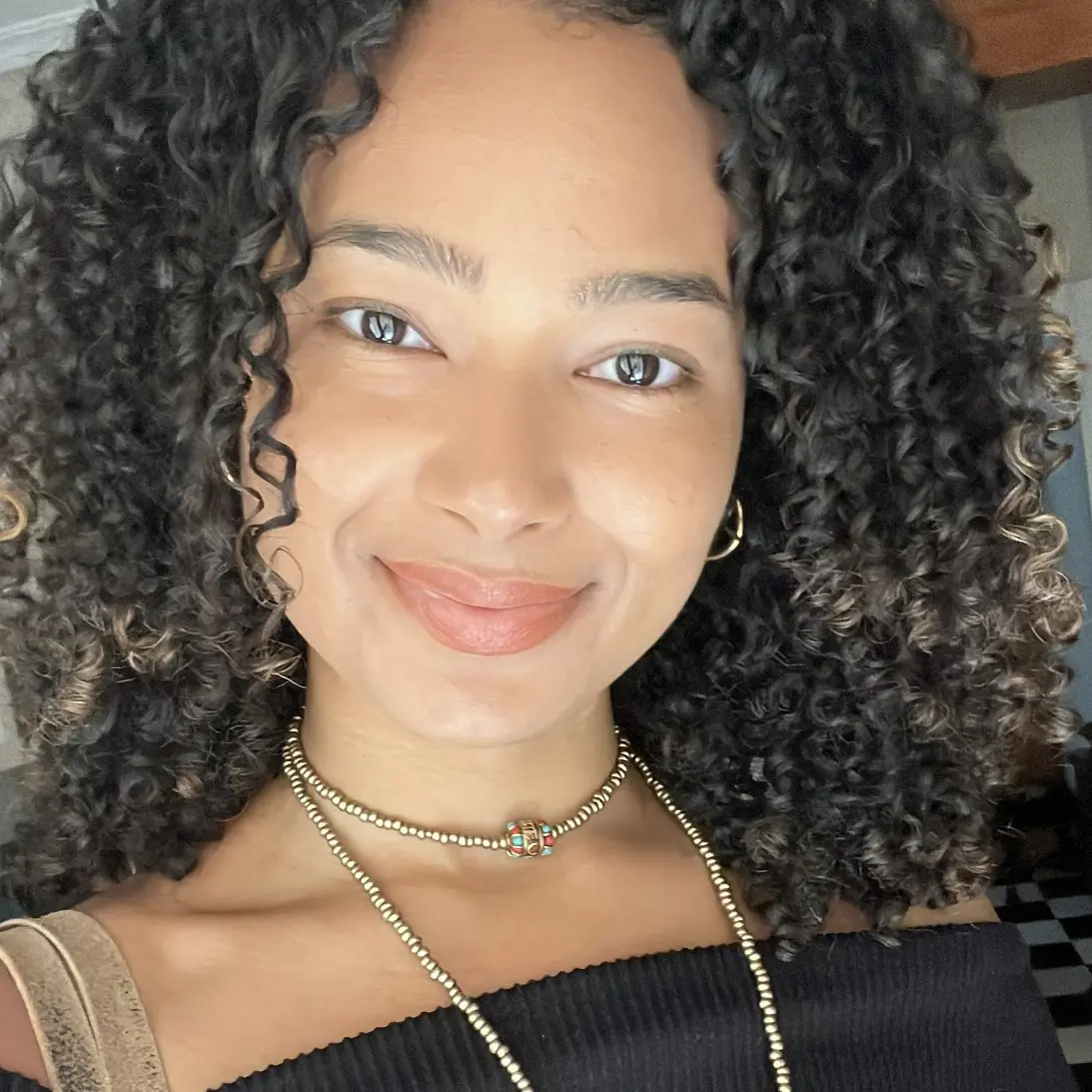 Image by courtesy
 Sociology alum Franchesca Arias '20 says publishing in Canal "helped shape the educator I am today."
“It helped shape the educator I am today,” she wrote in her reflection.
Electrical engineering graduate Vincenzo Coppola ’21, who published two Italian-language literary analyses in Canal, says the experience encouraged him to embrace a more creative side of himself. After graduation, he lived in Italy before joining MIT, where he now serves as a program coordinator for the university’s recreation department and scouting analyst for the women’s soccer team.
“Learning to write, read and truly think in another language can not only open doors and expose you to new ways of thinking, it can truly bridge you to new worlds,” he wrote.
The anniversary issue also introduced the next generation of Canal contributors.
Among them is senior psychology and Spanish double-major Lucero Walsh-García, whose documentary film explores the experiences of Mexican immigrants in Massachusetts through interviews conducted a year apart during President Donald Trump’s second term.
“As a native Spanish speaker, I've always been passionate about finding ways to contribute to the Latinx community, especially by advocating for hardworking immigrants,” says Walsh-García, a first-generation Mexican American whose project was inspired by her own family’s experiences.
Other student work examines the role of the arts in Cambodia’s diaspora following the Khmer Rouge genocide, literary translation in the age of artificial intelligence, Italian cinema, study abroad and innovative approaches to language learning.
As Canal begins its second decade, Ubelaker Andrade and Po DeLisle hope more students will use it to connect their academic interests with the languages they’re learning.
“It was special to see so many students develop their work into formidable projects that they were proud to share with the world,” Ubelaker Andrade says. “So much begins with the student.”