

By Julian Viviescas Mejia
Reflection
I had the opportunity to write and publish for two editions of Canal. In 2023, I published “Il lavoro domestico e il rapporto tra genere e migrazioni,” an analysis of recurring themes of emancipation among migrant women entering caretaker roles. In 2024, I published an interview with Dr. Pietro Bartolo, a member of the European Parliament who spent decades saving the lives of migrants arriving in Lampedusa, Italy.
When I reflect on these two projects, I realize how important they were to my professional development. Of course, I learned essential research, writing, and editing skills that later transferred to my current role as Communications Director for Boston City Councilor Ruthzee Louijeune. But beyond those hard skills, I developed many soft skills as well—time management, adaptability, communication, problem-solving, and networking, among others. Today, those research and storytelling abilities are at the center of my professional work.
What I valued most was the opportunity to engage in intellectually challenging academic research. I was inspired by professors and colleagues who had published work before, which encouraged me to stay curious and explore topics related to migration. Through reading, writing, and editing, I realized that intellectual curiosity is one of the greatest gifts a university can give. Beyond the professional opportunities it creates, the ability to formulate your own ideas and collaborate with like-minded thinkers is something I will cherish for life.
During my undergraduate thesis, I had the opportunity to interview Dr. Pietro Bartolo—an extraordinary advocate for migrants’ rights in Italy who witnessed firsthand the difficult journeys people endure in search of a better life. Sitting down with him was incredibly powerful. At the time, I was not yet confident in my ability to speak with people who held such important positions. But after our conversation, I realized that meaningful connections can be made with anyone, regardless of status. Writing his story afterward was exhilarating. I spent countless hours drafting and editing the piece, again and again. I have always loved storytelling, and being entrusted with the opportunity to write and publish for my university was a remarkable privilege. Presenting my research and seeing it published is an achievement that relatively few students experience during their college years.
I believe this work played an important role in shaping my career path. After graduating, I felt there was still more to learn. While writing my thesis, Crossing the Mediterranean Sea: Representation of Migrants/Migration in Contemporary Italian Cinema and Media, I realized there was a gap in my understanding. I had studied migration academically, but I had not experienced the realities of the refugee journey firsthand.
Six months after graduating, I traveled to Northern Greece to volunteer with the nonprofit Lifting Hands International at their community center near two large refugee camps. For two months, I worked with children ages two to thirteen and with adults from Afghanistan, Iran, Iraq, Syria, Somalia, and Sudan. I fundraised $3,000 to make the trip possible, and in return I wrote biweekly newsletters to the people who supported me, sharing my experiences from the camp.
There, I witnessed firsthand the challenges of the refugee journey—from leaving home, to crossing the sea, to seeking refuge in a country far from one’s own. The experience was raw, real, and often difficult to process. On my second day at the camp, a four-year-old girl approached me and asked, “Where is your home?” I struggled to answer her question, and it has stayed with me ever since.
These are the kinds of experiences I pursued because I wanted to continue exploring the questions that first emerged during my time at UMass Lowell and through my publications in Canal. Today, I serve as Communications Director for Boston City Council President Ruthzee Louijeune. In my role, I work daily to communicate the legislative work of City Hall, connect residents with resources, events, and opportunities, and advocate for vulnerable communities—including migrants when needed. At a time when federal policies are increasingly dismantling legal processes and deporting thousands of people, this work feels especially important to ensure that everyone in Boston can access the support and information they need.
The work I began in college evolved from observation and research into lived experience. For any current student wondering whether they should publish their research or writing, my advice is simple: don’t overthink it. A project like this may help you discover the path you are meant to pursue—just as it did for me.
Read “Il lavoro domestico e il rapporto tra genere e migrazioni” Canal Issue VII (2023).
Read “Intervista all’Onorevole Dottor Pietro Bartolo” Canal Issue VIII (2024).
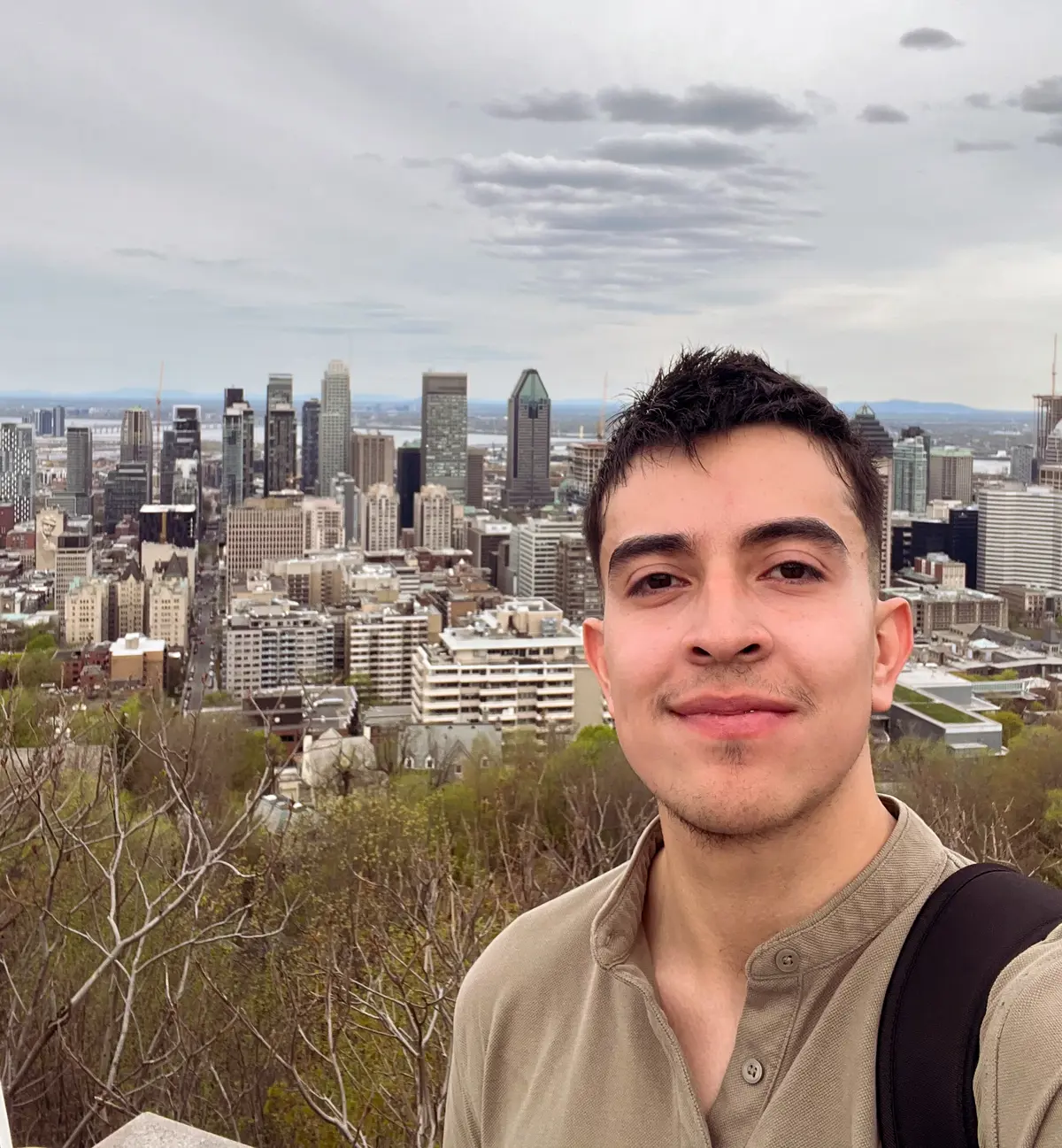
Biographical Statement - Julian Viviescas Mejia
Julian Viviescas Mejia, class of 2024 graduated with a degree in English, along with minors in Italian and digital media. After graduating from UMass Lowell, he worked at a refugee community center in Serres, Greece, where he deepened his understanding of the complexities of migration in Europe—an experience inspired by his undergraduate thesis. He currently serves as Communications Director for Boston City Councilor At-Large Ruthzee Louijeune.