
By Franchesca Arias
Reflection
When I reflect on this project now, what stands out most is how meaningful it was to bring together academic research and personal, family-based storytelling. At the time, I saw it as a writing assignment, but it became something much deeper. Sharing stories con un cafecito with family members became a special way of understanding my Dominican heritage through both history and lived experience. The most influential part of the process was conducting interviews with my mother and my aunt. Hearing them describe the Virgen de la Altagracia with such gratitude and emotional connection reminded me that cultural traditions are carried through memory, voice, and community, not only through books. Their reflections made the research feel real and personal.
Writing and publishing in Spanish was also very impactful. Spanish is the language of my family and identity, so expressing these ideas in Spanish felt like honoring the community the essay was about. It allowed me to write with authenticity, and it reminded me of the power of being multilingual.
Publishing in CANAL had a strong impact on my career path. It affirmed for me that multilingual writing and cultural narratives deserve academic space. That experience helped shape the educator I am today.
As a current English as a Second Language (ESL) teacher, I often encourage my students to see their home languages and cultures as strengths. My experience with CANAL helped me understand firsthand how powerful it is when students are given opportunities to write and be celebrated in languages other than English. Publishing in CANAL was an early moment where I realized I wanted my professional work to center language, identity, and inclusion.
While I haven’t published another academic piece yet, CANAL helped set the foundation for the work I do now professionally. I currently teach multilingual learners and support students in developing academic language while honoring their cultural backgrounds. The themes I explored in my essay such as identity, language, tradition, and community continue to show up in my teaching practice. CANAL also gave me confidence as a writer and showed me that my voice and my heritage belong in academic and professional spaces.
One thing I would love to share is that projects like CANAL matter deeply, especially for multilingual and first-generation students. Writing this piece taught me that our families, traditions, and languages are not separate from education, they are part of what makes our work meaningful. Students should feel encouraged to pursue projects that are personal, culturally rooted, and multilingual, because those are often the stories that resonate most.
I am grateful to CANAL for creating a space where undergraduate voices and world languages are valued, and I hope future students continue to use writing as a way to explore who they are and where they come from.
Read “Un mundo, una raza, varias creencias” Cana Issue IV (2020).
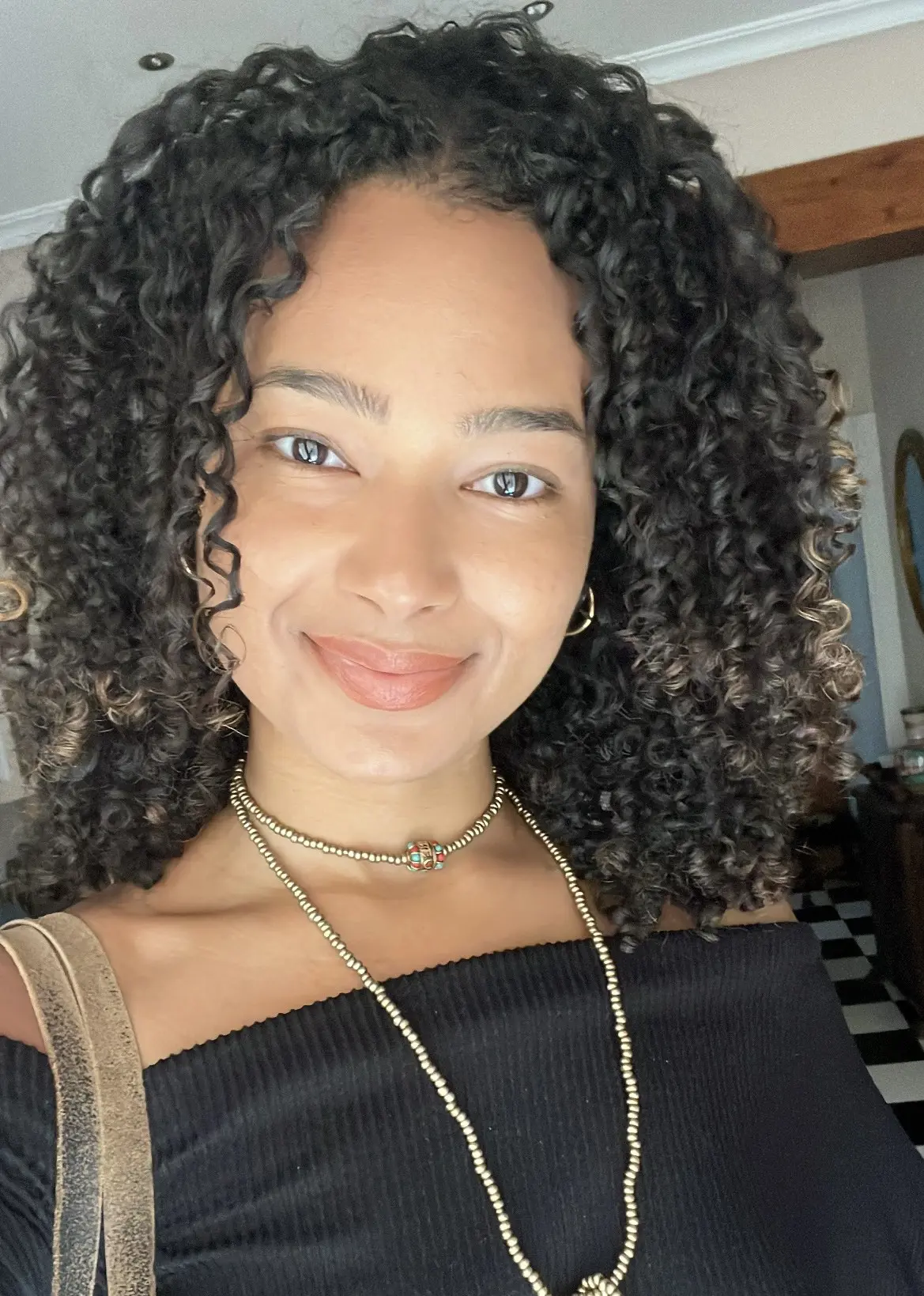
Biographical Statement - Franchesca Arias
Franchesca Arias is a Dominican American educator who grew up in Lawrence, Massachusetts, in a large, tight-knit family where Dominican traditions, faith, and Spanish language were central to daily life. Surrounded by extended family and rich cultural practices, she developed a deep appreciation for heritage, community, and storytelling. She now teaches English as a Second Language in Boston and is passionate about creating classrooms where students’ languages and identities are valued as strengths.