

By Darnnellyz Batista
Reflection
When I reflect on my project, what stands out most to me now is the themes of generational trauma and deep emotional pain that the characters of “El desaparecido” by Julio Llamazares experience. I also think about how Llamazares’ characters made an effort to cope with this trauma throughout the story, and how these coping strategies changed throughout the lifespan of the narrator, shifting from avoidance when he was a young boy to curiosity when he became of age.
As I was developing and editing my work with Professor Arroyo-Rodríguez and Dr. Ubelaker Andrade, I realized that trauma can be navigated in different ways, and that it’s ok to confront it when one is ready to do so. This is a thought that always remained in my mind when I pursued a Master’s Degree in Clinical Mental Health Counseling.
I believe that Spanish is a beautiful language, and has the ability to convey stories and experiences in a unique and rich way. Growing up in the United States, Spanish naturally became my second language. Being given the opportunity to develop this writing piece fully in Spanish not only challenged my Spanish language skills, but it also granted me an opportunity to embrace my Hispanic Heritage. As I reflect on my work, I continue to be proud and honored that I was given an opportunity to share it with others.
My work in CANAL really confirmed my desire to give back to my community throughout my career. Growing up in Lawrence Massachusetts, I witnessed and heard of the trauma and pain that we as Hispanics experience and navigate every day. I think that a great deal of this trauma stems from not only wanting to seek better lives but encountering barriers along the way, such as language, lack of resources, and knowledge. Throughout my career as a Clinical Mental Health Counselor, I have educated families about the importance of mental health and connected them to resources in the community that have supported them with stabilization and self-efficacy. Seeing families develop confidence and hope for their future has been deeply rewarding for me, and I hope to continue to support others in this way in the years to come.
CANAL supported me with my entry into Merrimack College’s Clinical Mental Health Counseling Program and helped me begin to develop a deeper understanding of trauma. Trauma is commonly seen as taboo in Dominican homes, and my experience with CANAL helped me begin to think about how to validate and recognize trauma while also highlighting the importance of seeking support. Witnessing families accept, and even just acknowledge trauma has not only been powerful for me, but also for my clients and their own therapeutic journeys.
Trauma and difficult experiences likely happen to everyone, but from my experience working with clients and their families, I have learned that trauma can be subjective to the individual person. Although two people have similar experiences, they may need different things to be able to live with and overcome them. Holding a safe space to have that conversation, if a person asks that of you, can lead to deep healing, but it can also have the opposite effect and be harmful. In my field of work, it is generally not recommended that we insist that others share their trauma. However, if someone is looking to, I highly suggest seeking mental health support to explore and process these experiences. Sometimes we may have a therapist and think they aren’t the right fit for us. That’s ok! If you sign up for Mental Health Services, they are voluntary and it’s best that you have a genuine connection with your therapist to increase the chances of positively benefiting from treatment.
I also want to share that everyone is resilient, and we shouldn’t underestimate our own capabilities and strengths. Even something as small as getting yourself to the gym on a day you didn’t want to go, or checking in with a friend you haven’t spoken to in a while could make a big difference! I invite you to pay attention to how you feel during the small victories or enjoyable moments. And if nothing seems to be working, or you don’t feel yourself, don’t be afraid to ask for help. Being able to recognize and vocalize that you can’t confront something alone isn’t a sign of weakness, it’s a sign of courage and will to move forward.
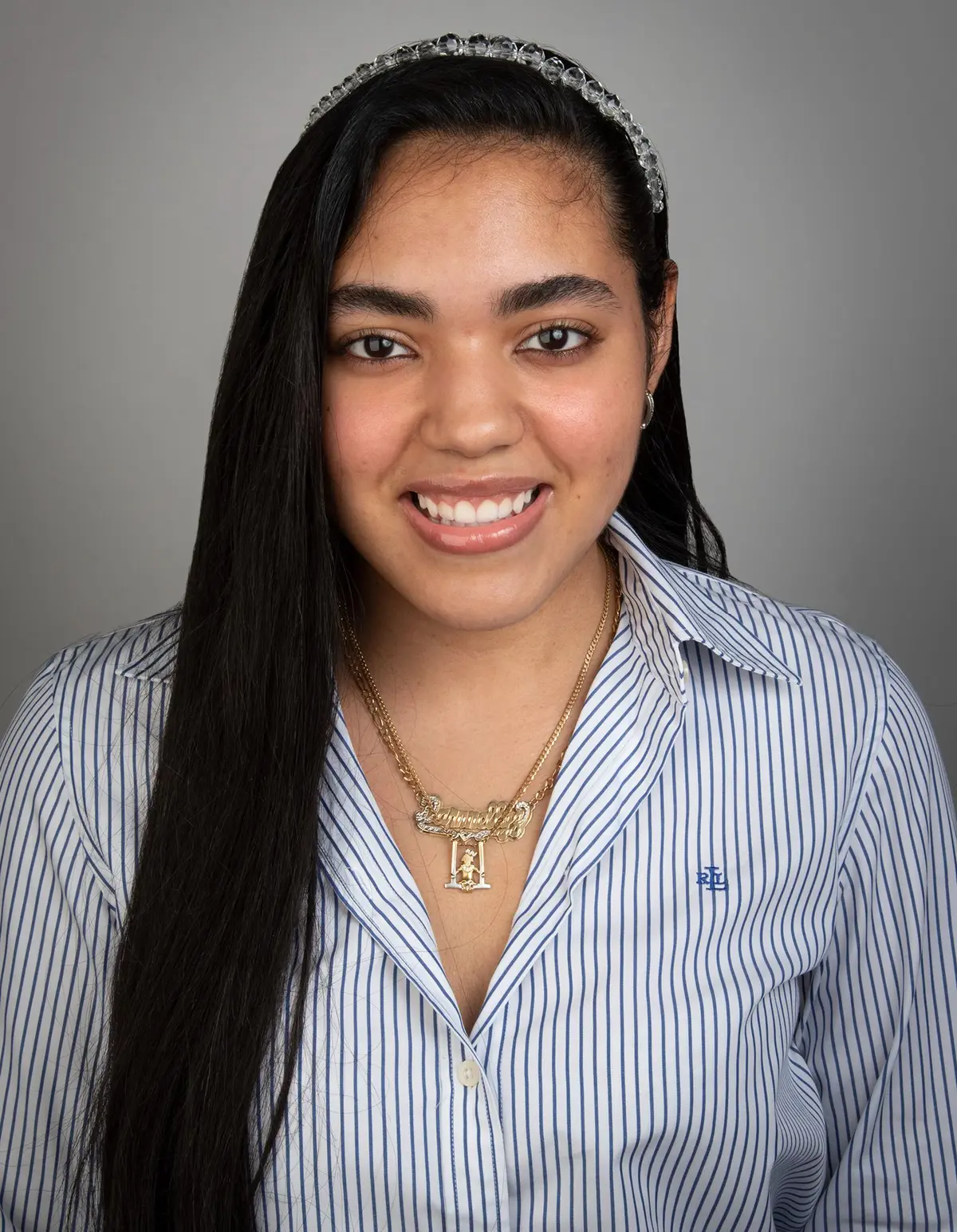
Biographical Statement - Darnnellyz Batista
I am currently working at Children’s Friend and Family Services (CFFS), a Division of Justice Resource Institute in Lawrence, Massachusetts. There I completed my Practicum and Internships as an Outpatient Clinician during my time at Merrimack College’s Clinical Mental Health Counseling Program. Before graduating in May of 2023, I was offered a position as a full-time Outpatient Clinician. In August of 2024, I passed the National Clinical Mental Health Counseling Examination (NCMHCE) and obtained my Mental Health Counselor License in October of 2025. I was recently given the opportunity to become a Senior Intensive Care Coordinator. I currently supervise various staff members from our Community Service Agency (CSA) Program and hold a small caseload of clients from CSA and other programs at our site.
I think that doing anything new can lead to humbling experiences, and I can say that taking on this role has definitely provided me with these moments. I’m very grateful to have been offered this opportunity, and I have been thoroughly enjoying the process of growing and learning from my staff members, colleagues, and community. I look forward to the future ahead of me and am excited to see where my professional and life journey will take me next.