

Spring Break Backpacking on the Appalachian Trail!
March 6-14, 2027
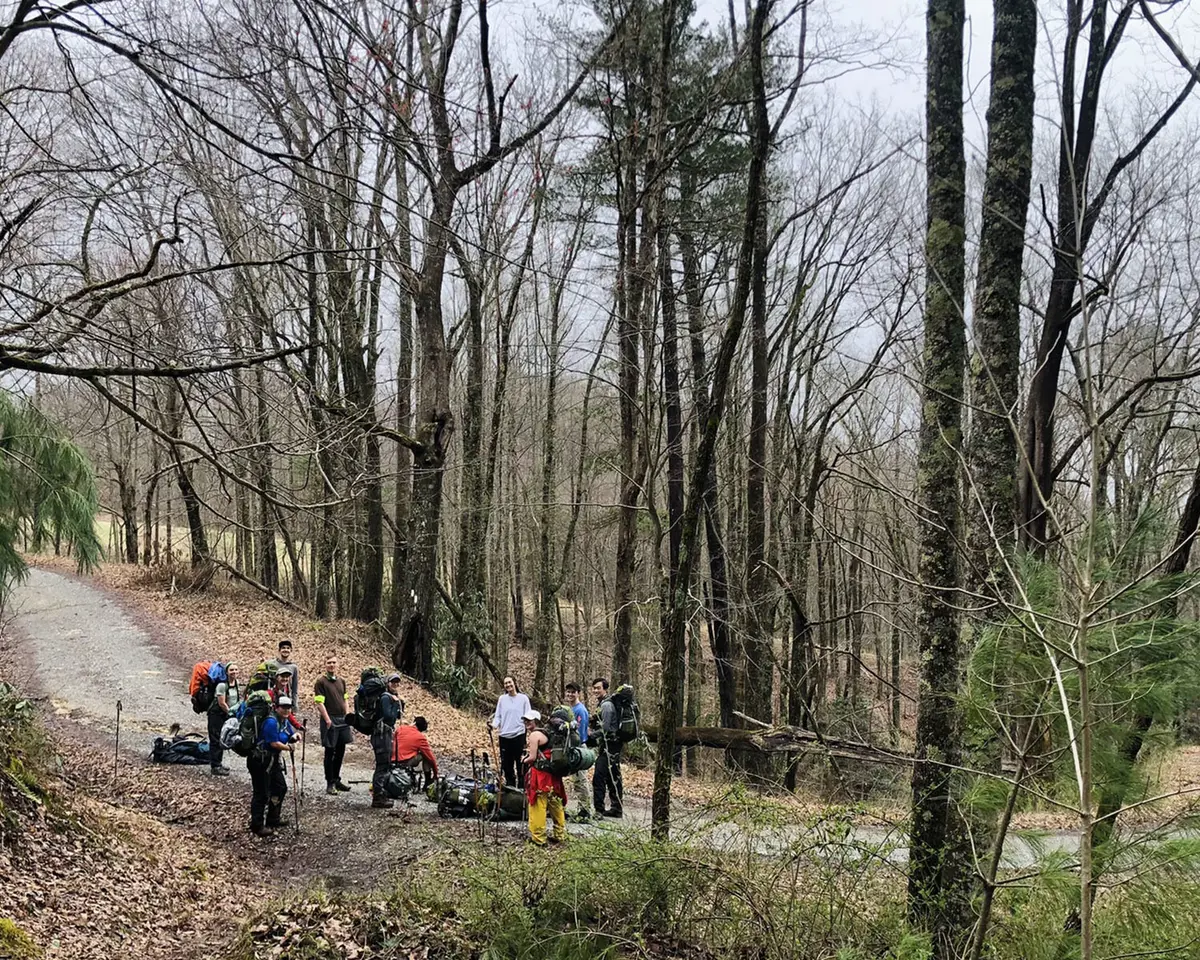
Get ready for an unforgettable week backpacking on the Appalachian Trail! Join us over spring break for a five-day backpacking adventure along the Appalachian Trail near the North Carolina–Tennessee border. We’ll hike through the southern Appalachian Mountains, taking in classic rhododendron-covered hillsides and exploring Max Patch, a stunning grassy bald ecosystem unique to the region. When we're finished backpacking, we’ll unwind in the natural hot springs of Hot Springs, North Carolina. This trip offers an opportunity to unplug, challenge yourself, build outdoor skills and experience the beauty of the trail with a supportive group.
No previous backpacking experience is necessary. Our Outdoor Adventure Program staff will provide leadership, instruction and necessary gear, and beginners are encouraged to participate.

Jump to sections on this page:
 Image by hikingshenandoah.com
 what-is-a.t.What is the Appalachian Trail?
The Appalachian Trail, or A.T., is one of the most classic long-distance hikes in the United States. This trail stretches 2,198 miles (3,536 km) from Georgia to Maine and passes through 14 states along the eastern United States. This trail was first proposed in 1921 and completed in 1937, with improvements and changes continuing since then, into the present day. Many people walk on the trail, some of them on short day hikes, plenty on short overnight sections, and some people thru-hiking the whole trail in one season from start to finish.
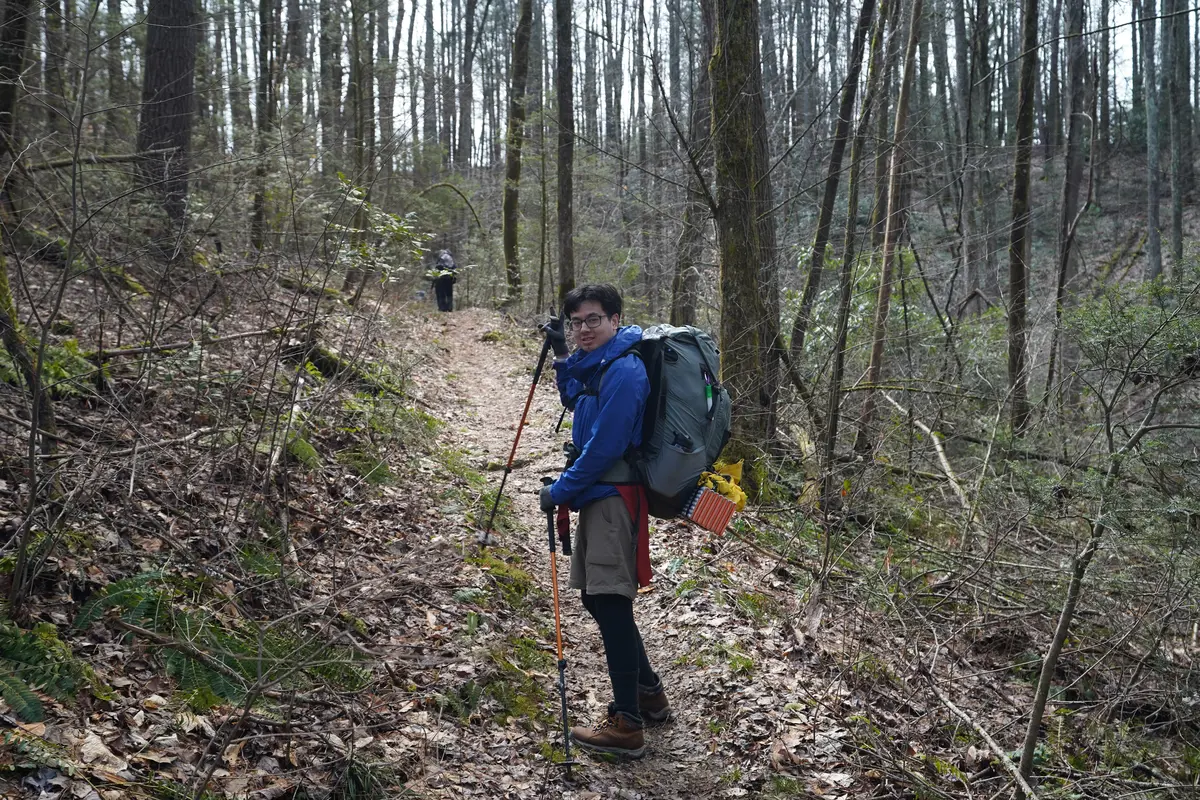
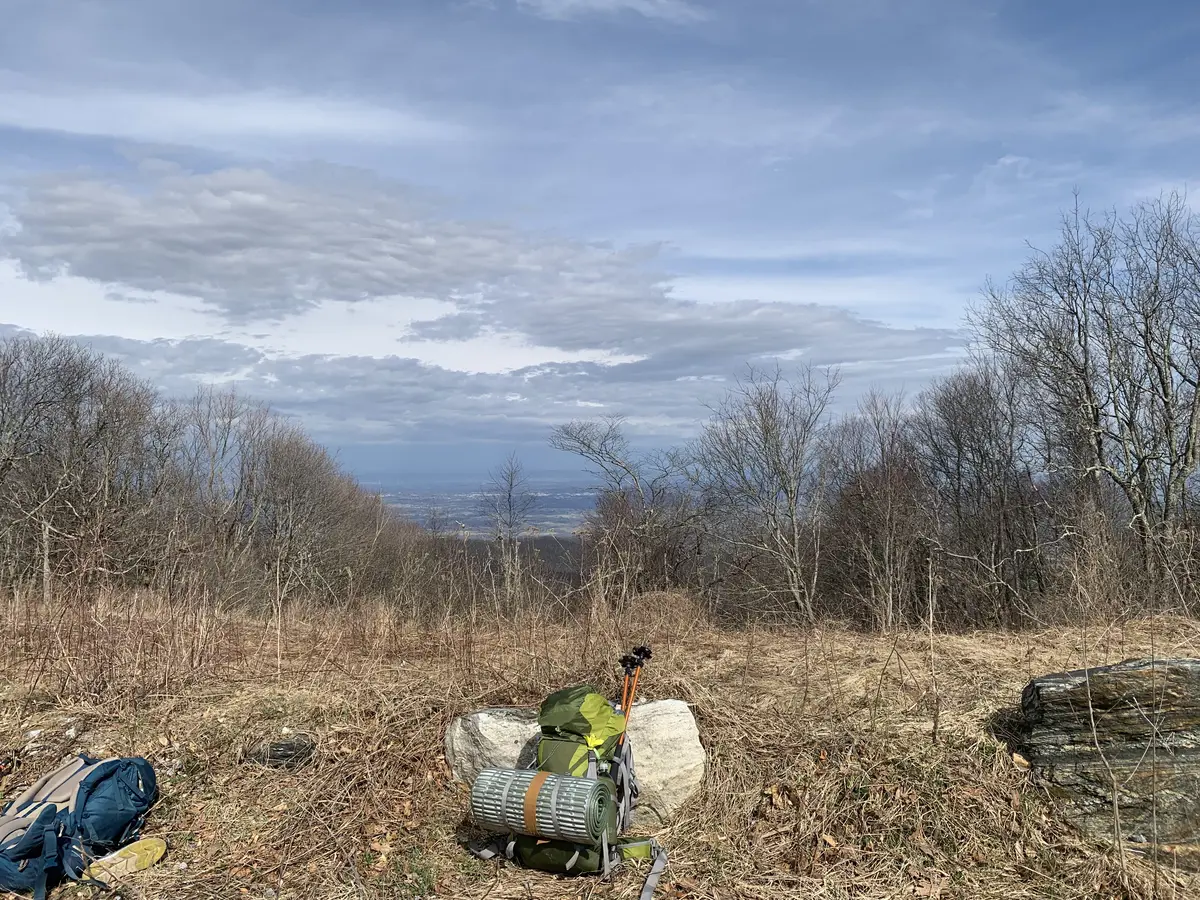
The A.T. in North Carolina and Tennessee is famous for its high-elevation ridgelines, sweeping panoramic views from grassy mountain balds and thick rhododendron gardens. The trail varies from high elevation down to valleys and rivers, with rich biodiversity supporting diverse wildlife. Along the trail, there are regular camping locations, including shelters and campsite areas. Much of the area was cleared by homesteaders in the 1800s, so there are exceptional views from certain locations, including the 4,600-foot summit at Max Patch, where we will begin our hike. The open bald provides important habitat, as well as a beautiful vista.
descr-tripDescription of the Trip
Saturday and Sunday:
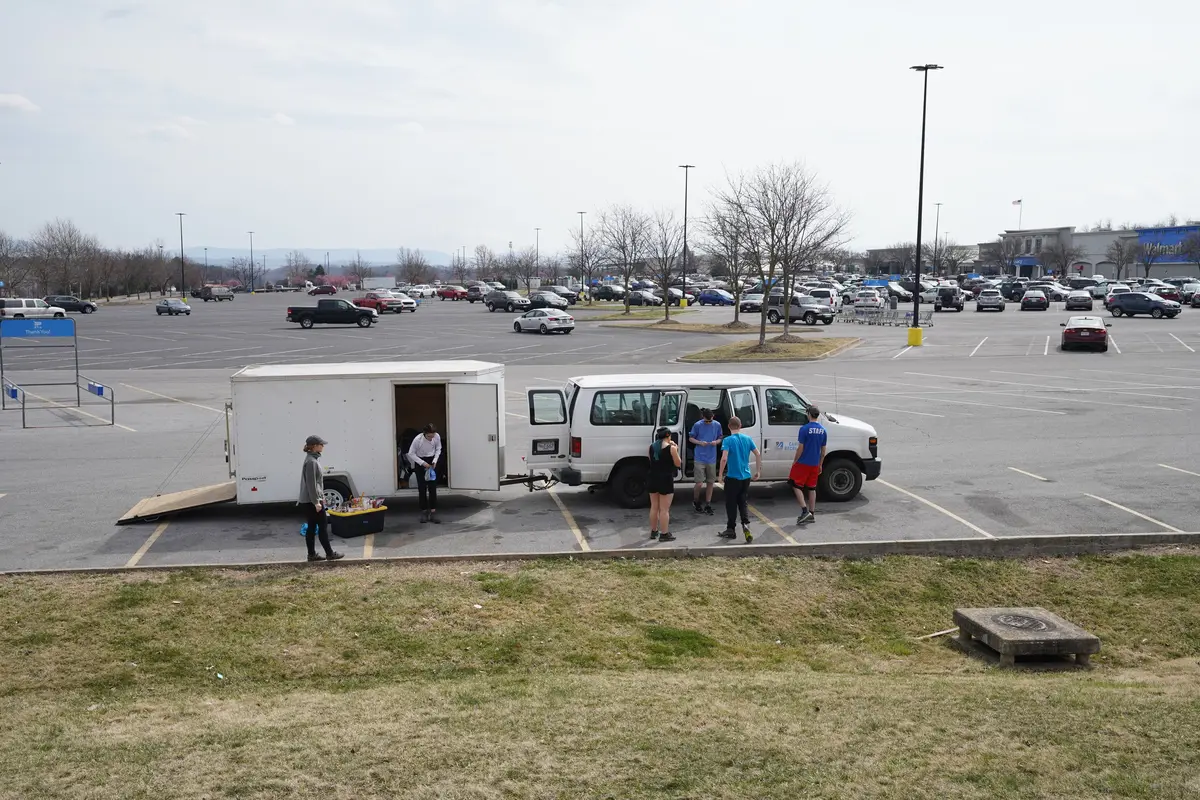
We will head out early as a group on Saturday, March 6 from Lowell. We will camp in our tents after about eight hours of driving south. After a second day of roughly 7 hours of drive time, we will camp again, this time in the town of Hot Springs before our backpacking adventure begins. Bathroom facilities are available.

Monday: The Backpacking Trip Begins
On our first day of backpacking, we will start with a drive from Hot Springs up to the starting point on the A.T., about an hour. We will have a shuttle who helps return our van to the town of Hot Springs, while the group finalizes packing backpacks and group gear. We have about three miles to hike on this day, which includes passing over Max Patch.
Tuesday, Wednesday and Thursday:
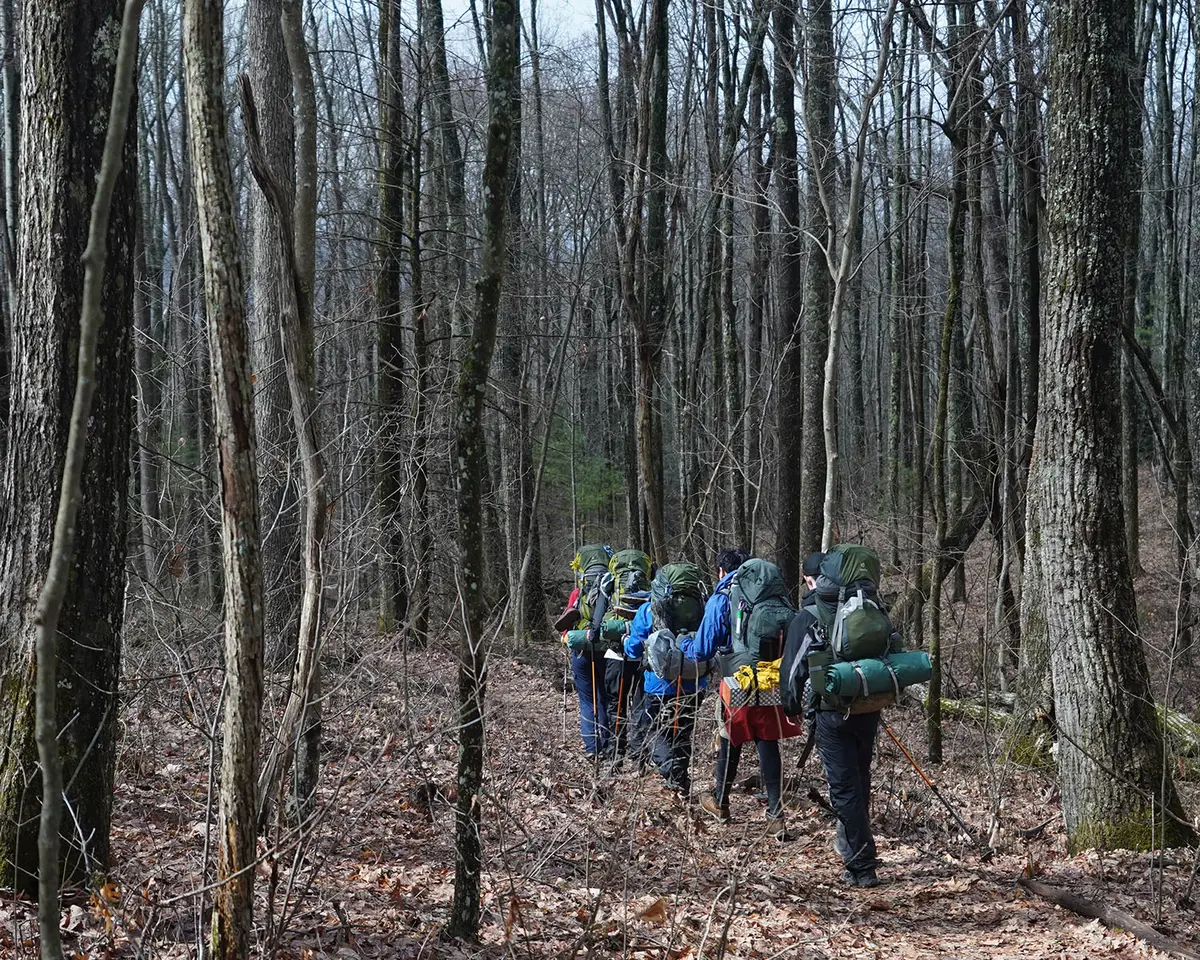
The middle three days will put us deep in the southern Appalachian wilderness, as we walk north on the A.T. Each day after we enjoy tasty breakfast, we will pack up and don our backpacks with all of our gear. We will hike about 5 miles each day with a stop for lunch on the side of the trail. Each day will bring some uphill and some downhill hiking. While the terrain may feel challenging, this trip is fully attainable for beginning hikers or backpackers. When we arrive to our campsite, we will set up tents, make our dinner, and hit the hay! Some nights, we may enjoy a campfire!
Friday: The Finish and the Soak!
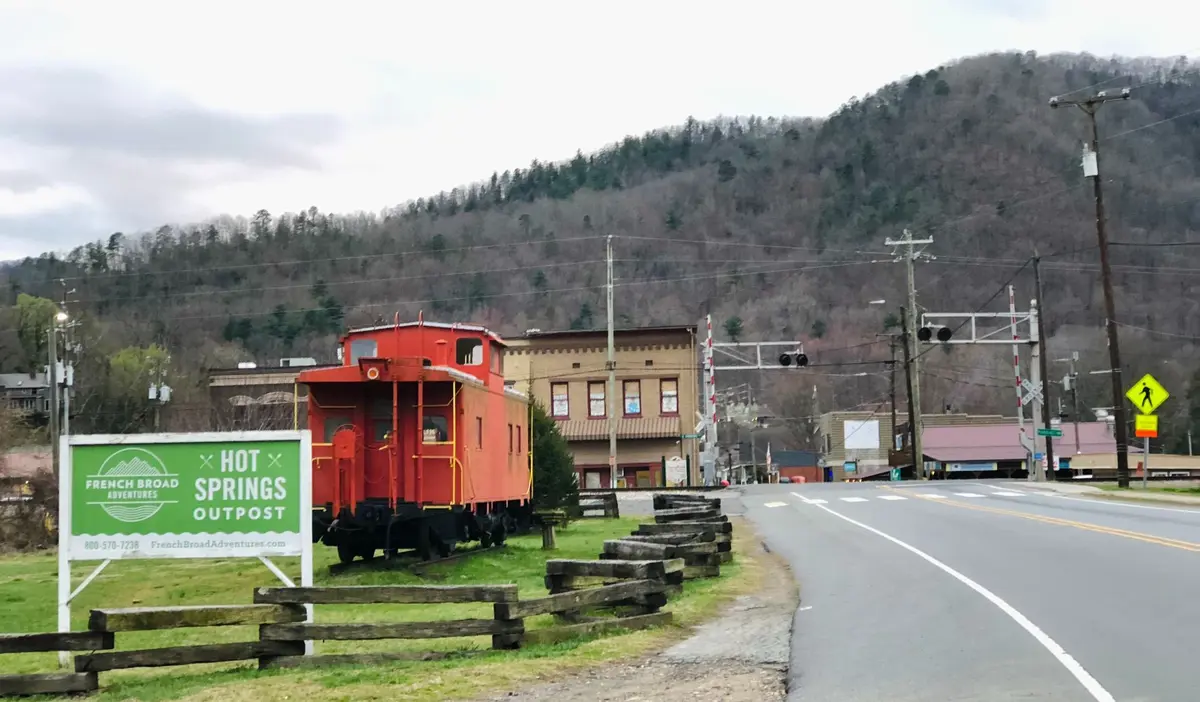
The final day brings us back to Hot Springs, as we descend down the mountain path back to this beautiful town.
Once back to the town of Hot Springs, we will enjoy warm showers back at the same campground. Then, we plan to soak in the actual hot springs! Hot Springs has long been a resort destination, thanks to the natural geothermal mineral hot springs that rise up to the surface. We plan to soak in the private outdoor jetted tubs managed by the Hot Springs Resort, just across the street from our campground.
Saturday and Sunday:
Over two days, we will drive back to the Outdoor Center, stopping overnight in a hotel mid-way. We anticipate returning to Lowell by early afternoon on Sunday. After returning our gear and enjoying a last moment reflecting on our amazing memories and accomplishments, the group should be finished and good to head home by late afternoon on Sunday.
what-to-knowWhat to Know
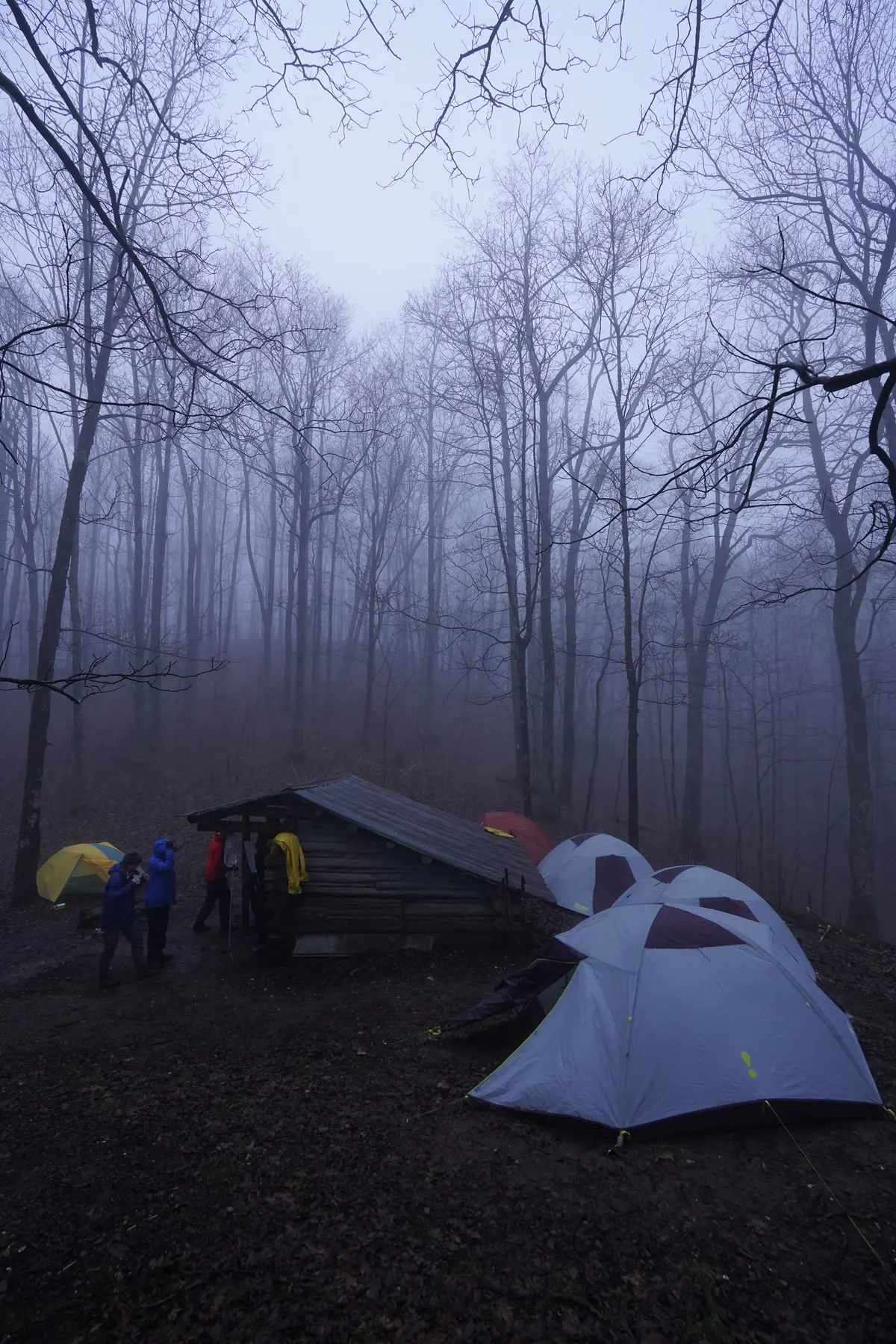
Where we are staying: The whole trip will be tent camping, with the exception of 1-2 nights during the drive depending on weather/temperature. There may also be an option to sleep in shelters (also called a lean-to) while on the trail at some campsites.
Who is leading the trip? The trip will be led by one professional staff member, Kate Ford, and two student trip leaders, David Silvia and PJ Ralbovsky. The trip leaders have solid experience leading Outdoor Adventure Program trips, including overnight excursions, along with Wilderness First Responder medical training. You will recognize these trip leaders from all of our other normal trips during the year: hiking, kayaking and other adventures.
How physical will this trip be? Medium to significant, and varies with each day's location. Each day will involve about 6-8 hours of hiking with some elevation gain. While this trip is not easy, it is nonetheless planned for beginners, and will be manageable for a generally fit and willing participant. Hiking and backpacking generally uses your legs mostly, plus plenty of core and back muscles. Physical conditioning prior to the trip will be an important step to having a great time, both for yourself and the group. The more you prepare, the better the experience will be. Since hiking is quite leg and core dependent, one of the best activities you can do to prepare is go hiking or running, as well as general fitness workouts in the gym with weight.
Please note: UMass Lowell's Campus Recreation Facilities offer great access to excellent work-out equipment. Please speak with your doctor about any physical training regimen.
What to know about food and water:
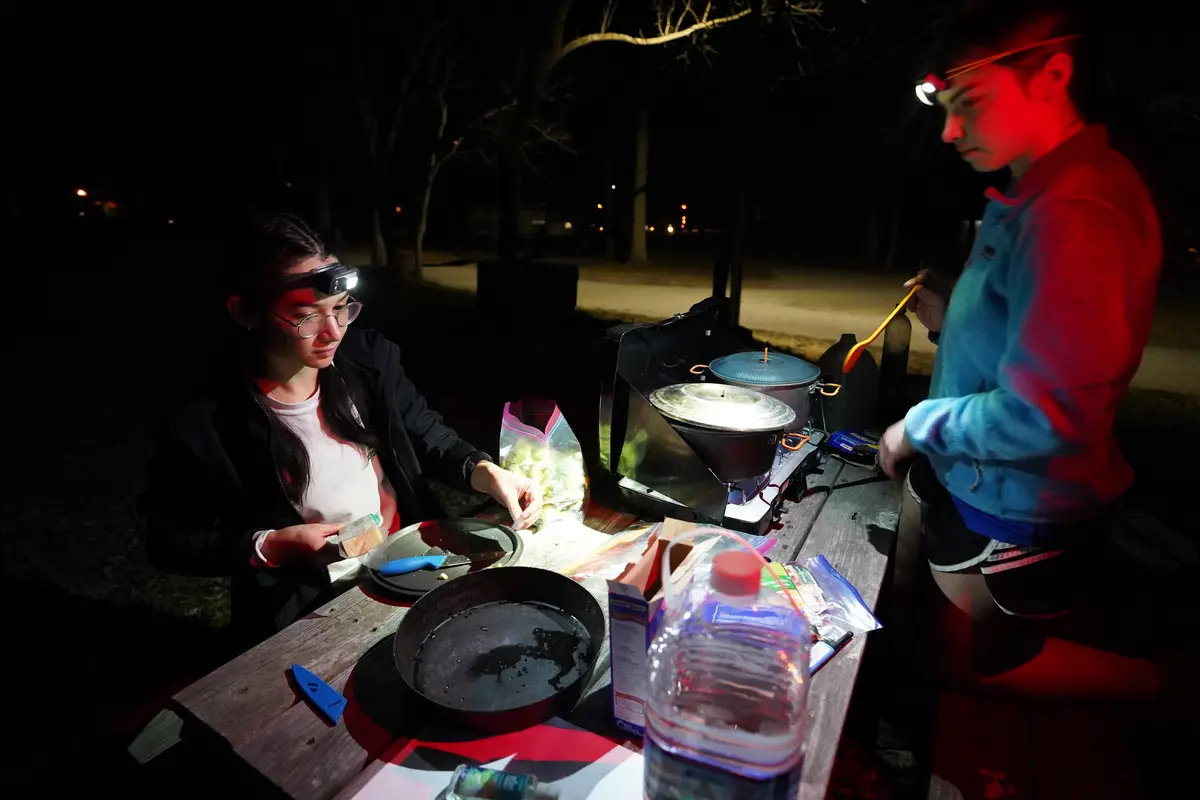
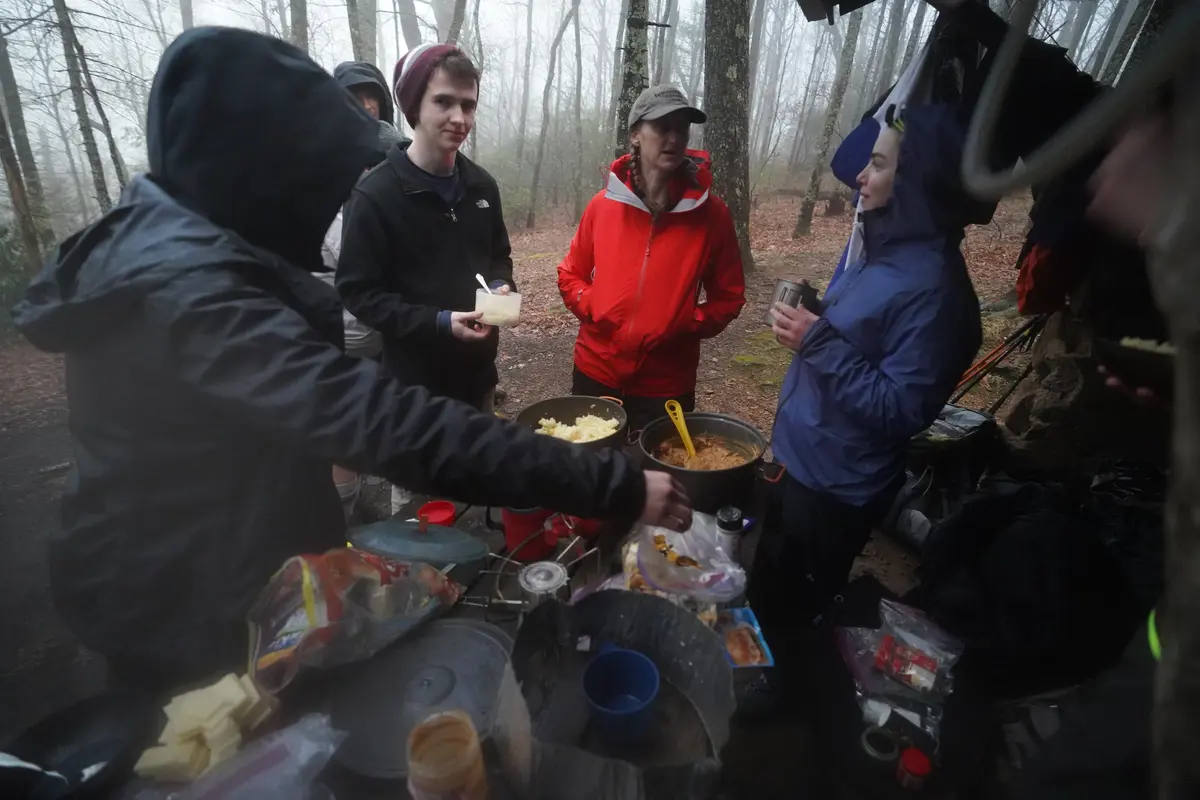
We will bring tasty food with us; our backpacking trips are more than just-add-water meals! We will plan the menu around everyone's dietary needs or restrictions, as well as try to incorporate preferences and special requests. Breakfasts and lunches are usually fairly simple, while dinners are more varied. All of our meals provide everyone with all the necessary protein, vegetables, fruits and whole grains of a healthy diet. Every member of the group will get to be involved in lighting camp stoves and helping to prepare meals.
Water sources are available regularly along on the trail, and campsites are almost always placed near water sources. We will bring water purification methods with us, so everyone in the group will always have clean drinking water.
What to know about the weather:
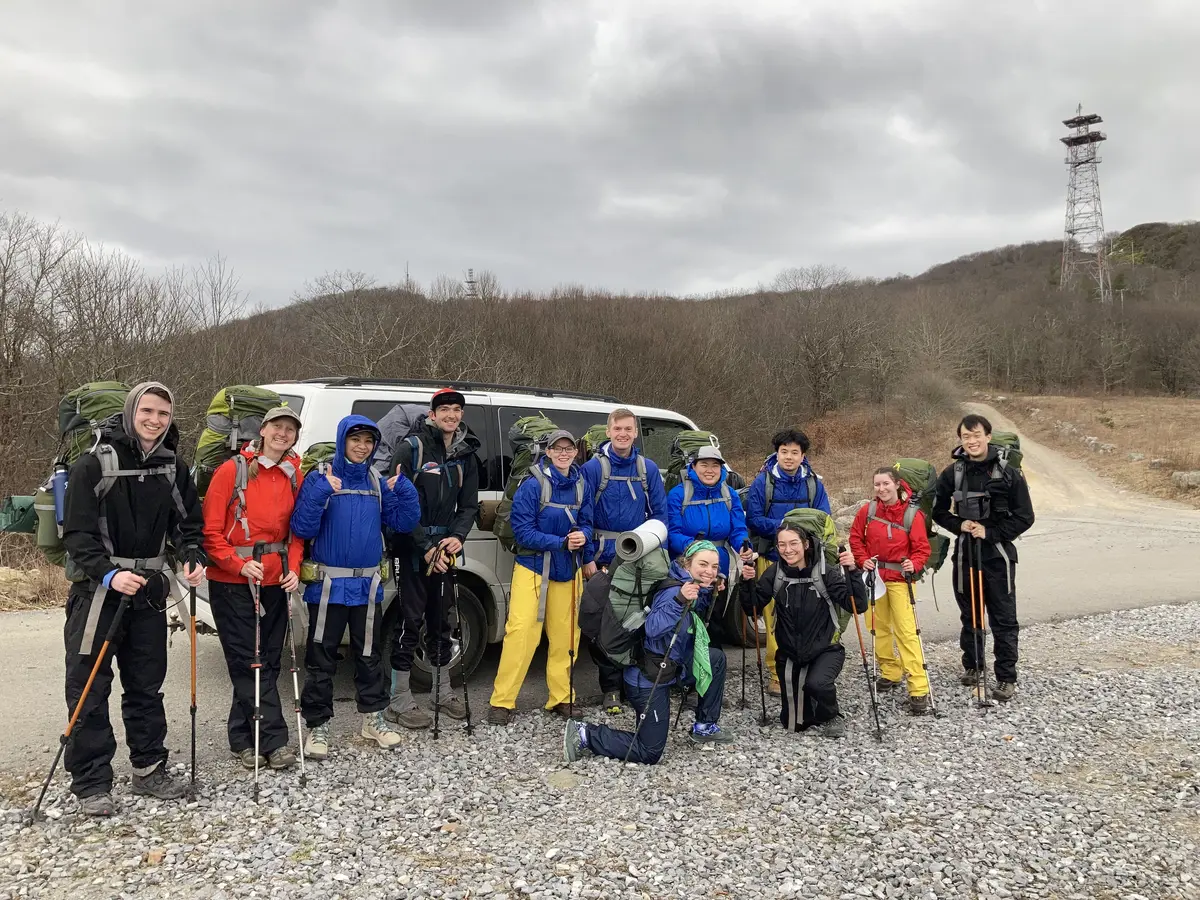
The southern Appalachians will generally have comfortable weather in March. We anticipate temperatures of roughly 60-70 degrees Fahrenheit (15-21 degrees Celsius) during the day, and overnight temperatures that are cool but not cold, likely high 30s to 50 degrees Fahrenheit (2-10 degrees Celsius). During the course of five days, it is quite likely that we will have some rain. We will be prepared with warm layers and rain layers.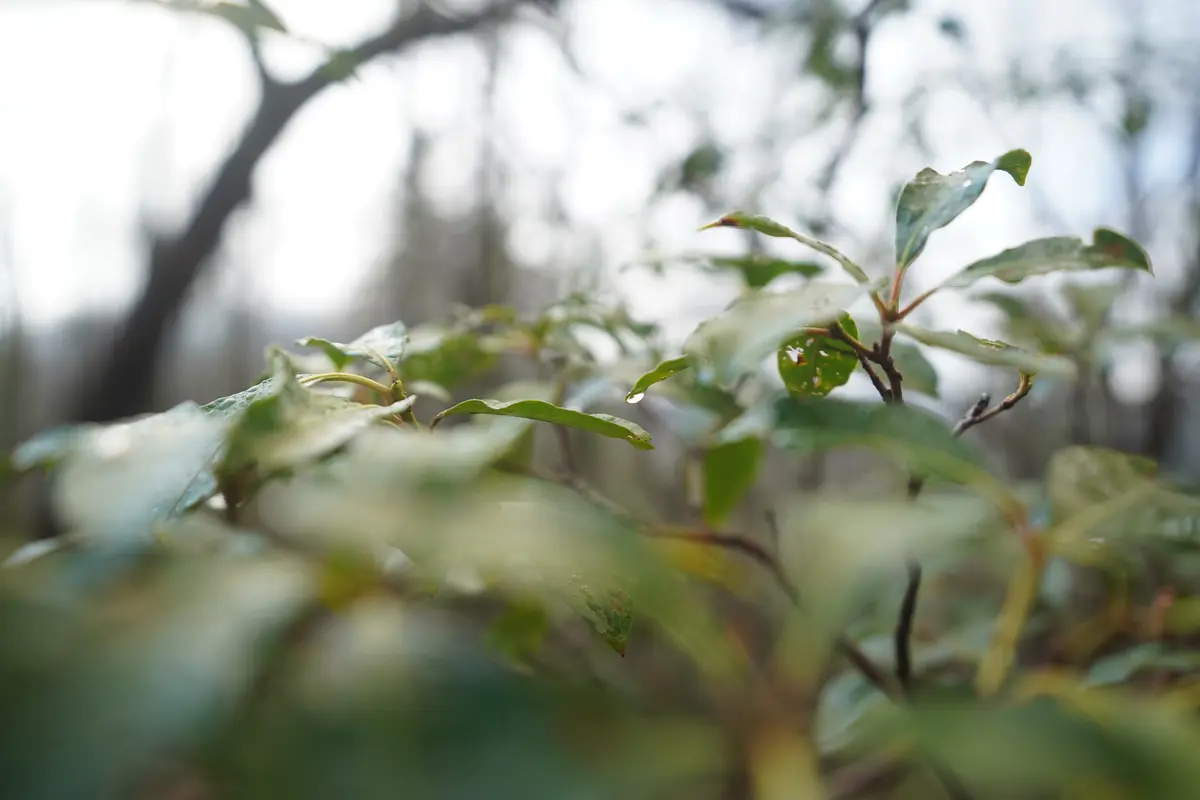
What about wildlife and plants? There is great flora and fauna to see and enjoy in the southern Appalachians! Rhododendron is a classic southern Appalachian bush, its thick evergreen leaves provide cover for both hikers and wildlife alike, and the blooms in June are stunning. This region is the world capital for salamander diversity, and there is an abundance of smaller animals like squirrels, chipmunks and song birds, plus the more rare raccoons, opossums, porcupines, and foxes. One of the most iconic animals is the black bear. While it would be cool to see one, we will discourage any bear being interested in our food by hanging it up away from the ground overnight and keeping our food with us at all times.
What about technology? We don't expect to have any cell service while we are backpacking. While it is possible that some people may have cell service at various points, we nonetheless encourage everyone in the group to take a break from screens during this experience. Trip leaders will have satellite devices should we need emergency help. On past trips, some students have even left their phones behind in Lowell entirely, preferring cameras to capture their experiences. We strive to create experiences that allow you to spend your time connecting with your classmates and nature, so you can come back refreshed and ready to succeed in classes.
costCost
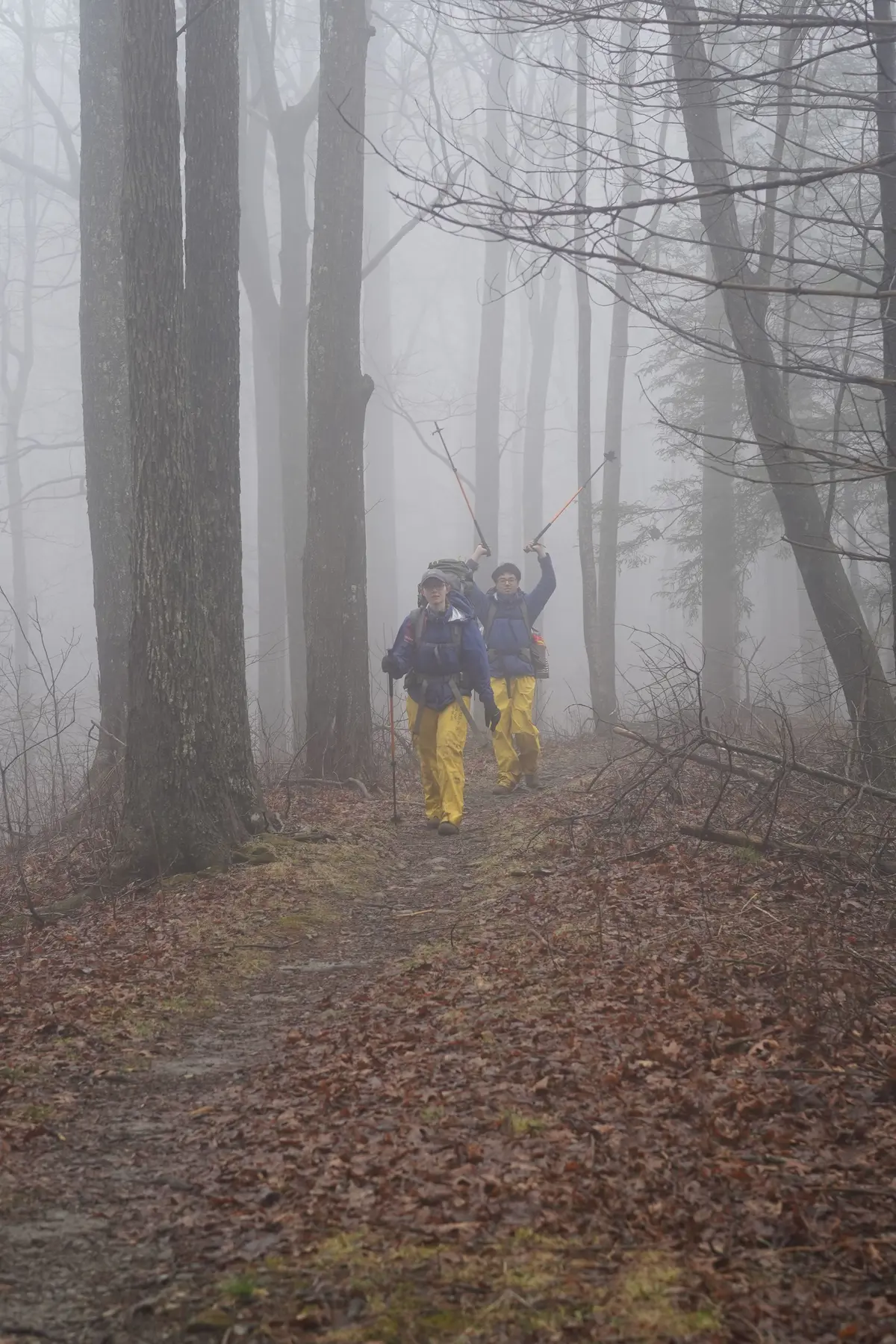
UMass Lowell (UML) cost: $465, all-inclusive with van travel, your guides, gear and all food, (except lunches and dinners while driving) for the entire nine days! Yes, this is a deal! Campus Recreation is proud to offer this reduced price to our UML students in order to provide new and adventurous experiences.
- $245 due upon registration
- Remaining $220 due November 17
Note: Based on our experience, almost all students choose to buy fast food when we're on the road, so we will plan for stops for lunches and dinners at inexpensive, fast-food restaurants when we're on the road. We will provide a simple breakfast during the driving portion.
registrationRegistration
This trip is only open to UMass Lowell students. Please use your UML email address when you register. The registrations are on a first-come, first-served basis.
Registration will open on October 1!
Spring Break Backpacking Trip 2027 Registration (Opens October 1, 2026)
Prerequisites:
- No previous backpacking experience is required, just a good attitude to challenge yourself and try new things!
- Overall good physical fitness. This will allow for a successful trip; please consider exercising at least 2-3 times weekly to prepare.
- Ability to be active for approx. 6-8 hours or more per day, with an emphasis on walking.

To note:
- A waitlist will be maintained once the trip is full. If the trip is full, you may join the waitlist for free; the system will request your credit card information, butyou will not be charged.
- Please note, if you have any questions about any medical conditions, please feel free to reach out by email to Kate Ford at kate_ford@uml.edu. We can work with a lot of concerns. Food allergies or restrictions are no problem, too; we can work with you.
Guest Registrations
UMass Lowell students are the priority for registration. While we don't expect this trip to have any open spots, if it does happen, we may open registration to current UMass Lowell faculty or staff to join, or friends or family of current UMass Lowell student registrants. Cost: $625. These registrants would pay in full at the time of registration.
Please email: kate_ford@uml.edu early to indicate interest in joining if this option is made available.
Cancellation Policy
Due to the commitment and scope of the program, the deadline for cancellations with full refund of your deposit and any payments made is November 16. After this deadline, participants needing to cancel will only receive a full refund of their payment if another participant assumes their place on the trip.
If we end up with an empty spot on the actual trip, the person cancelling will be entitled to refunds based on costs we were not charged, which depends on timing. The person would not get a refund of the shared costs that are incurred (transportation costs, campground reservation, etc). As stated above, we will maintain a waitlist and will attempt to fill the space if at all possible.
If the trip is cancelled by the Outdoor Adventure Program (OAP) for any reason, participants will receive a full refund of the money paid.

pre-trip-mtgsPre-trip Meetings
- Tuesday, October 13, 6 p.m.: An informational meeting is open to all at the Campus Rec Center (322 Aiken St, Lowell, MA) or on Zoom.
This meeting is for anyone, including students who have already registered, as well as anyone else who is interested in learning more. Topics will include:- Description of the Appalachian Trail and backpacking: This is obviously a great destination and activity! We will share photos and descriptions, so you can see what you might expect on this awesome trip!
- Daily schedule: We will talk over the plan for each day of the trip, describing each activity and answering any questions. We will also talk over the travel plan.
- Meals and Lodging: We will talk over meal possibilities; our menu will vary depending on the needs of the group (dietary restrictions, etc.).
- Trip Leaders: Come meet the staff leading this trip! Kate Ford, Assistant Director of Outdoor Programs, will be leading this trip, along with one to two of our student trip leaders whom you may have already met on other trips.
- Thursday, January 28, at 5:30 p.m.* This will be our first chance to meet everyone on the trip. We will talk over the plan, go over our gear list, talk through food preferences, and answer any questions. *Date/time may be adjusted.
- Thursday, February 25 at 5:30 p.m.* Roughly one week before our trip, we will have a final preparation meeting. Everyone will leave this pre-trip meeting with all the information you need and extra gear you want to borrow. We will finalize our menu, as well. *Date/time may be adjusted due to participant schedules.
- Friday, March 5 at 5 p.m. The night before we leave, everyone will be asked to bring their fully packed gear. We will do a full gear shakedown with each person to make sure you have sufficient items. You may check out any additional OAP gear you need. We'll finalize all of our packing and have it ready to go first thing on Saturday!
packing-listPacking List:
Clothing should be non-cotton. The weather in the southern Appalachians in March can vary, so even though it is the south, it could still be cool or even cold! In these kinds of temperatures, the saying is, "Cotton is rotten" -- this is because cotton, once it gets wet, will cling to your body without providing any insulation. Your layers can get wet due to your own sweat from inside and/or outside moisture, like snow or rain. Fleece, wool, or treated down provide the "dead air space" structure that still holds heat even when wet.
Therefore, you will want and need to wear non-cotton layers, from the layer closest to you to the outermost layer, including socks. Jeans, t-shirts and sweatshirts are cotton and therefore not appropriate or safe for hiking or backpacking in this climate. Wool, silk, nylon, polypropylene, fleece, etc. are all good. And don't forget, also, we have some gear you may borrow; you don't have to buy everything. When traveling in the van, there's no problem wearing cotton.
We will all plan to wear the same backpacking clothes every day for days in a row - don't worry, everyone is the same level of stinky! You may bring two sets of base layer tops and bottoms if you have them; if you have two different weights, that's great.
It will be acceptable for each person to have a separate set of traveling clothes along with your backpacking clothes, but please keep your packing tight.
The weather forecast and your thermal perception (i.e. if you generally feel cold easily or often feel hot) should be considered when packing.

Clothing
- For backpacking, you will re-wear clothes; you do not need fresh pants and shirts for every day.
- Long underwear shirt/base layer Recommend 1 long-sleeve and 1 short-sleeve, quick-dry, lightweight, non-cotton, no sweatshirts
- *Insulating upper layer Recommend 1-2 layers fleece, wool, or puffy top layer, should be compact
- *Rain jacket/shell Used for both rain and wind.
- Underwear Quick-dry (non-cotton) preferable (enough for every day)
- Long underwear bottoms/lower base layer Quick-drying material such as nylon or polyester required
- Pants/Shorts/Hiking Skirt Recommend 1 pair pants, or 1 shorts and 1 pants; quick-dry, non-cotton, no jeans
- *Rain Pants Used for both rain and wind. Bottoms are a must, as weather in mountains can change suddenly
- Socks Midweight wool hiking socks are required, especially for wet conditions and blister prevention; 2 to 3 pairs is ideal.
- Hiking Shoes or Boots with good tread, and ideally with ankle support
- Camp Shoes Very lightweight athletic shoes or sport sandals are ideal—no flip flops or open-toed sandals; can also be your shoes for traveling and around camp.
- *Warm Hat
- *Gloves
- Scarf/Neck Gaiter optional
- Baseball hat or sun hat
- Pajamas
- Comfy clothes to wear while traveling. Consider one pair of pants for the whole time, and two shirts, one for each direction of drive.

Personal
- Sunglasses - Recommend with leash
- Toothbrush, toothpaste, floss
- Menstrual products, plus a pee rag
- Personal environmental supplies Sunscreen, lip balm, bug spray
- Small pack towel
- If needed: Hair ties
- If needed: Contacts/contact solution
- Small pack towel and/or Bandana Washcloth is a perfect size. Versatile: use as sweat rag, hanky, napkin and more.
- Personal Medications
- Medical Insurance Card
- Optional: Hand sanitizer Small bottle

Equipment
- *Headlamp You must provide three AAA batteries if borrowing one of ours
- *Sleeping bag Proper temperature rating for the season necessary; we use 0 or 20 degree bags
- *Sleeping pad
- *Trekking poles
- *Backpack 45+ liters(L) required. We provide 65 L backpacks
Food and Water
- *Bowl Recommend a small plastic Tupperware-type bowl. No plate needed.
- *Mug or cup Lightweight plastic for warm drinks
- *Utensils
- *2 Water Bottles
ADDITIONAL for Hot Springs Campground
- Shower toiletries Soap, shampoo, conditioner and washcloth to leave in the van for use at the Campground after backpacking
- Swim suit For the hot tubs after backpacking
- Towel They do not provide them for showers or the hot tubs, you must bring your own
- Additional warmth layer to leave in the van
OPTIONAL
- A few snacks for yourself We will provide all the food including snacks; however, if you want to bring some extra along, bring no more than 1-2 per day
- Money For food or souvenirs on the road
- Camera (or camera phone). A waterproof and protective case is highly recommended. Turn phone to airplane mode to preserve battery (and enjoy nature)
- Book or journal or notebook Great for the van or down time on the trip
- Lightweight rechargeable battery pack and charging cables
- Multi-tool or pocketknife
- Binoculars/monocular
*All items with an asterisk are available to check-out and included in the cost of your registration. There are no extra costs for any gear you use!
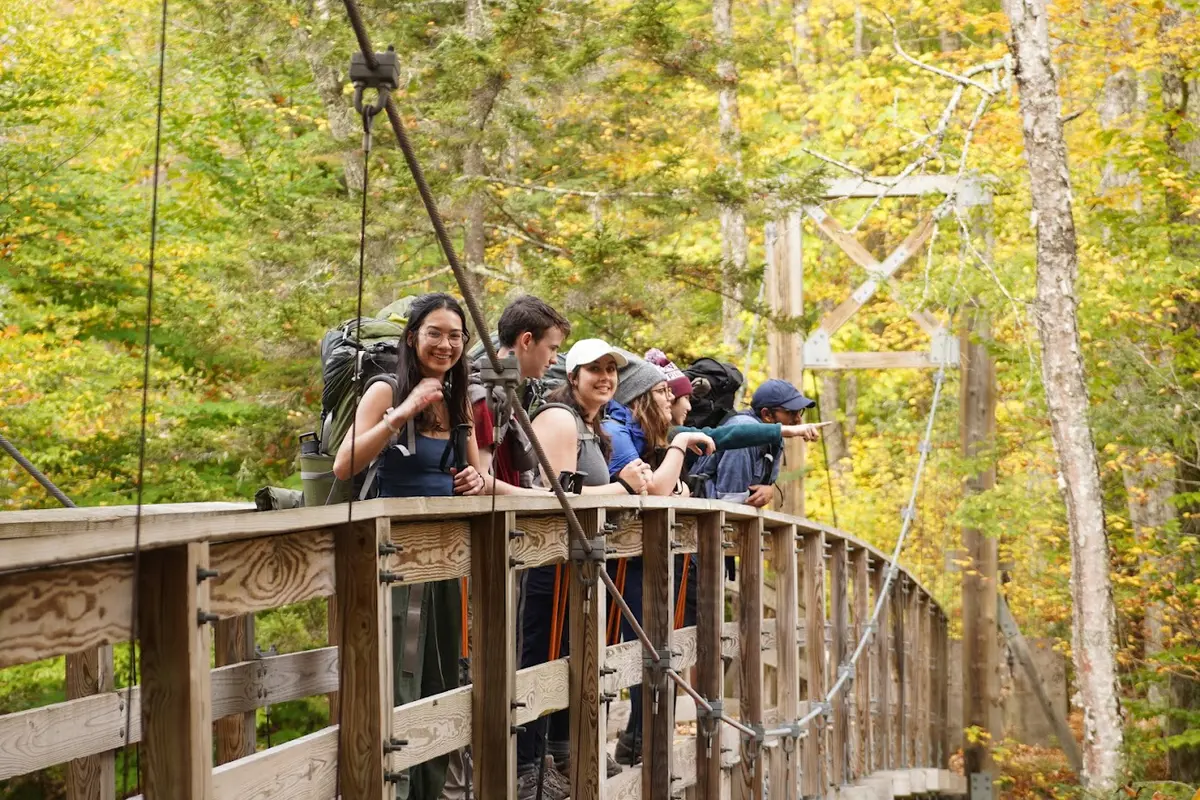 Image by Justin Yung
 If you have any personal equipment (backpack, sleeping bag, etc.) that you would like to bring, please bring it to one of the pre-trip meetings so trip leaders can make sure it is appropriate for the needs of this trip.
OAP will provide all the necessary group items, including tents, cooking supplies, stoves and fuel, all the food (breakfast, lunch, dinner and snacks on the trail) and food storage, water purification, restroom kit (trowel, toilet paper, rest stop bag), hygiene kit (hand sanitizer and biodegradable soap), first aid kit, emergency communication device, and maps.
Check out our other upcoming trips on our Trips and Events Calendar webpage.
Contact
Please ask us any questions you may have about the trip or the Outdoor Adventure Program!
- Email: OutdoorAdventure@uml.edu, or Kate Ford by email at: kate_ford@uml.edu
- Phone: 978-934-1549