
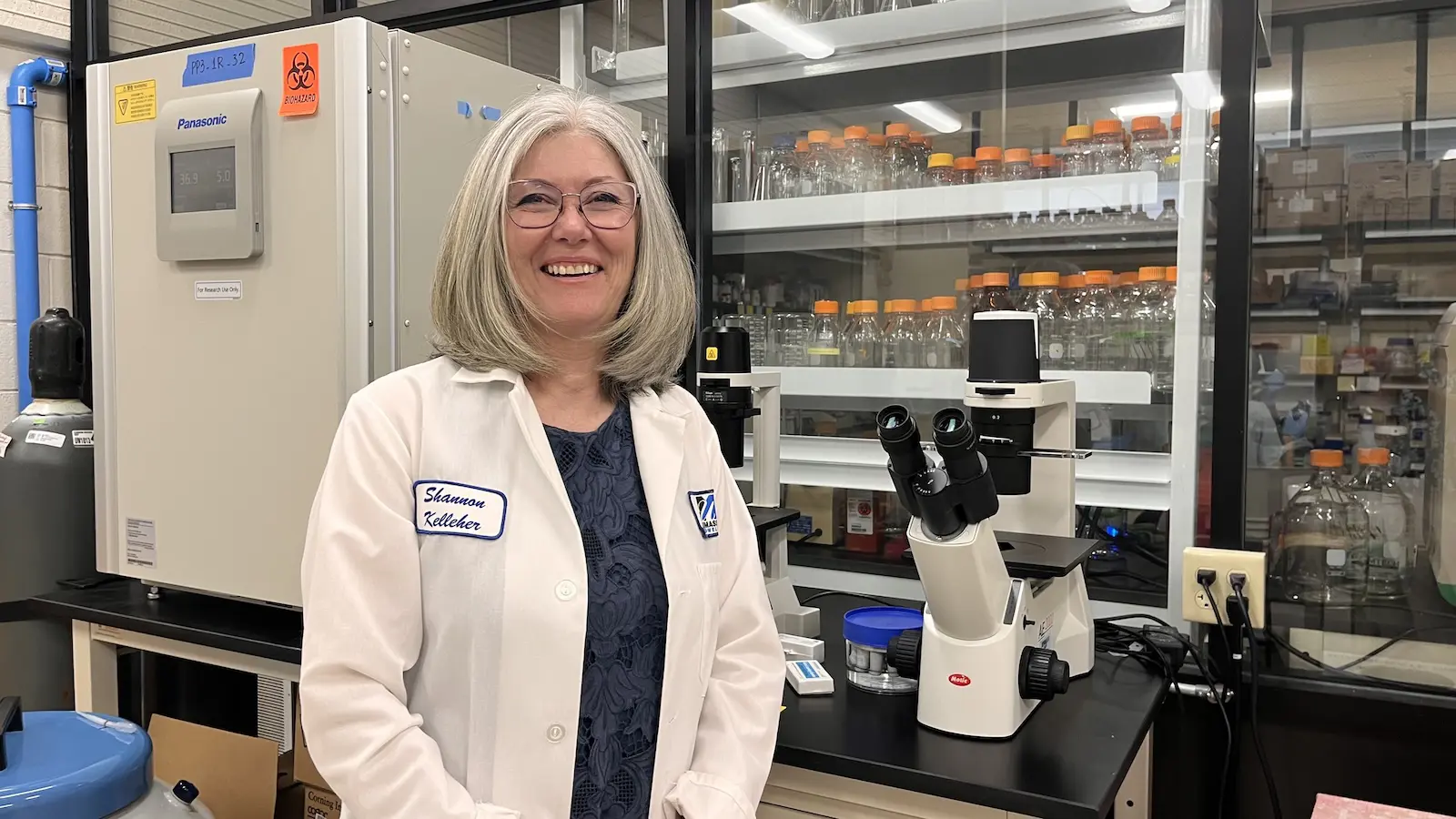
Professor Shannon Kelleher is collaborating on a $4.1 million study investigating the genetic causes of lactation disorders.
For breastfeeding mothers, factors such as stress after childbirth, obesity and diabetes can contribute to low milk supply. But research suggests that there may be another important factor: genetics.
Professor Shannon Kelleher of the Biomedical and Nutritional Sciences Department is partnering with Associate Professor Yuval Itan of the Icahn School of Medicine at Mount Sinai to conduct the largest study to date related to lactation disorders.
Supported by a $4.1 million grant from the National Institutes of Health (NIH), the research team will analyze the DNA from more than 1,300 women with documented lactation disorders and compare it with data from more than 60,000 women without breastfeeding difficulties. This project is the first to integrate large-scale human genetics, computational systems biology, machine learning and laboratory models of the human mammary gland to understand the biological causes of lactation disorders.
“I’m thrilled to receive this funding to study lactation through the lens of genetics, molecular biology and systems physiology, which can transform how we support maternal health during one of the most critical periods of life for mothers and their infants,” says Kelleher, a professor in the Zuckerberg College of Health Sciences who has studied breastfeeding issues at the molecular level for more than 20 years.
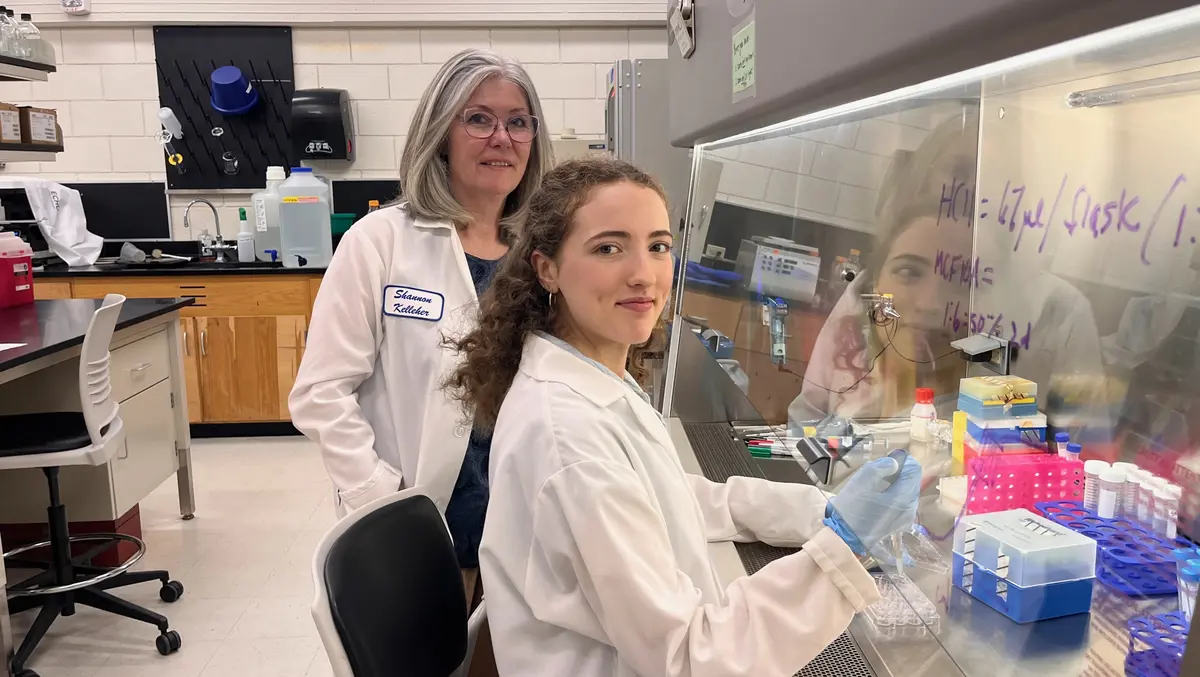
Shannon Kelleher oversees biology major Camille White, who is helping to develop a 3D model of the lactating mammary gland.
"Many mothers who struggle with milk supply are told to pump more, change their diet or try different feeding techniques," says Kelleher. “With the results of this research, one day health care providers may be able to identify mothers at risk for lactation disorders early in pregnancy and develop targeted therapies based on their individual biology."
Analyzing data from major biobank databases in the United States and the United Kingdom, Itan and his research team will use computational genetics, systems biology and machine learning to identify genetic variants that contribute to lactation disorders. Kelleher will then study how these gene variants affect cells that produce breast milk, using advanced three-dimensional laboratory models that closely mimic the lactating human breast.
“For far too long, lactation disorders have been approached through trial and error rather than biology,” says Kelleher. “Our goal is to develop the scientific foundation for precision diagnostics and targeted therapies, so women receive care based on the underlying causes of their condition rather than one-size-fits-all recommendations.”