
 Image by Courtesy
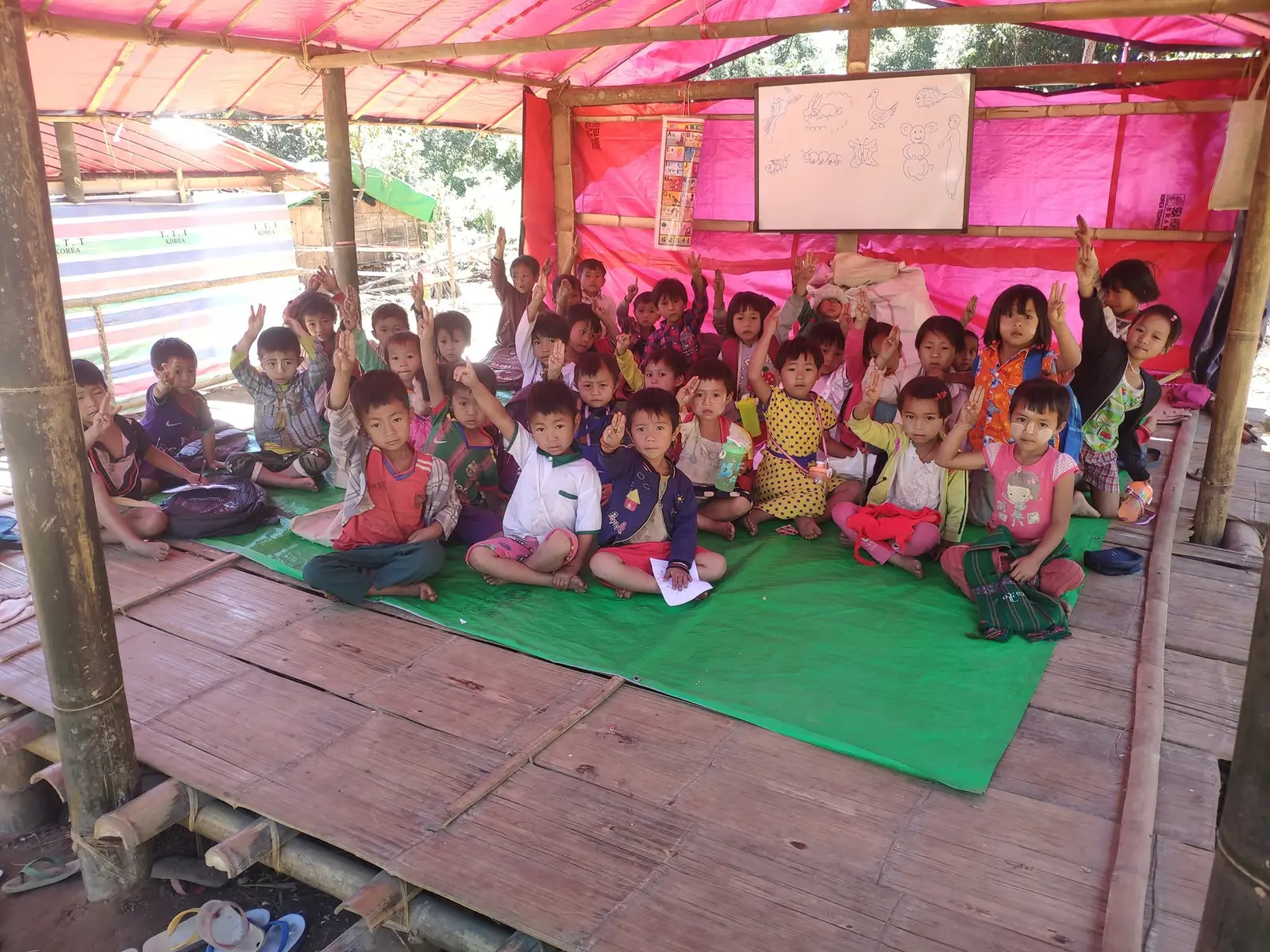
 Children learn in one of the community schools set up in conflict zones in Myanmar by education Ph.D. student Lugyi No.
In April 2021, two months after the military coup in Myanmar, Lugyi No went home to Pekon Township to celebrate Burmese New Year with his family. But the area was soon under attack by the army.
Many civilians, including No, fled to the jungle. For the next two months, “We ran and hid, ran and hid,” he says.
No, who was unable to return to his job at a rural electrification nonprofit in Yangon, used his contacts to solicit aid for villagers who had fled with very little food, clothing and other necessities.
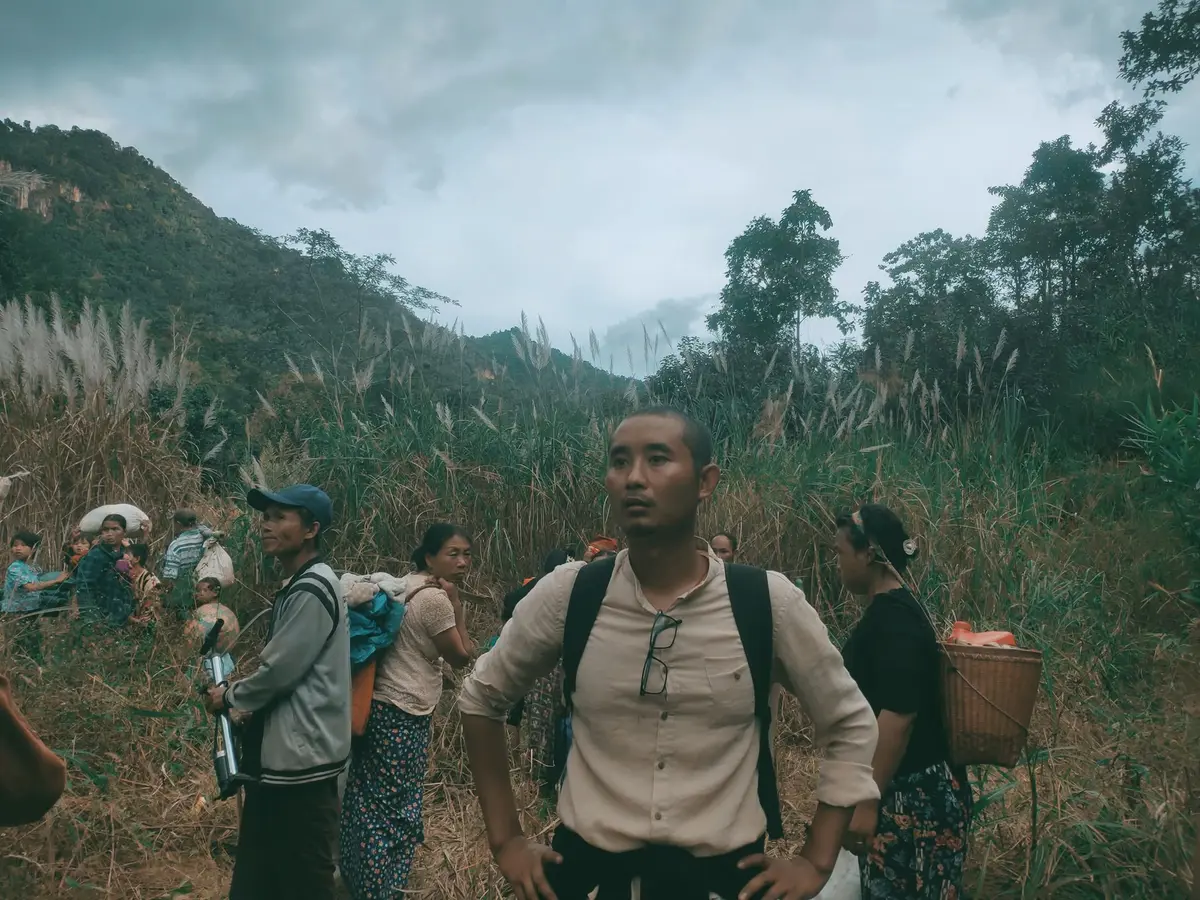 Image by Courtesy
 No and schoolchildren flee a military attack in Myanmar.
At the same time, he saw a need for schools in the conflict zone because the children, whose education had already been disrupted by the COVID-19 pandemic, were running wild. He and a few friends decided to organize temporary schools “so we could teach the children something and discipline their behavior a little bit,” he says.
Five years later, as the civil war in Myanmar continues, No is a Ph.D. candidate in education at UMass Lowell, and he has just won a competitive fellowship to support his dissertation research into the community-based schools he started.
National Academy of Education/Spencer Foundation Dissertation Fellowships are awarded to 35 young scholars each year whose research has the potential to bring “fresh and productive perspectives to the history, theory, analysis or practice of formal or informal education anywhere in the world,” according to the foundation’s website.
“I want kids to get an education even in an emergency,” No says.
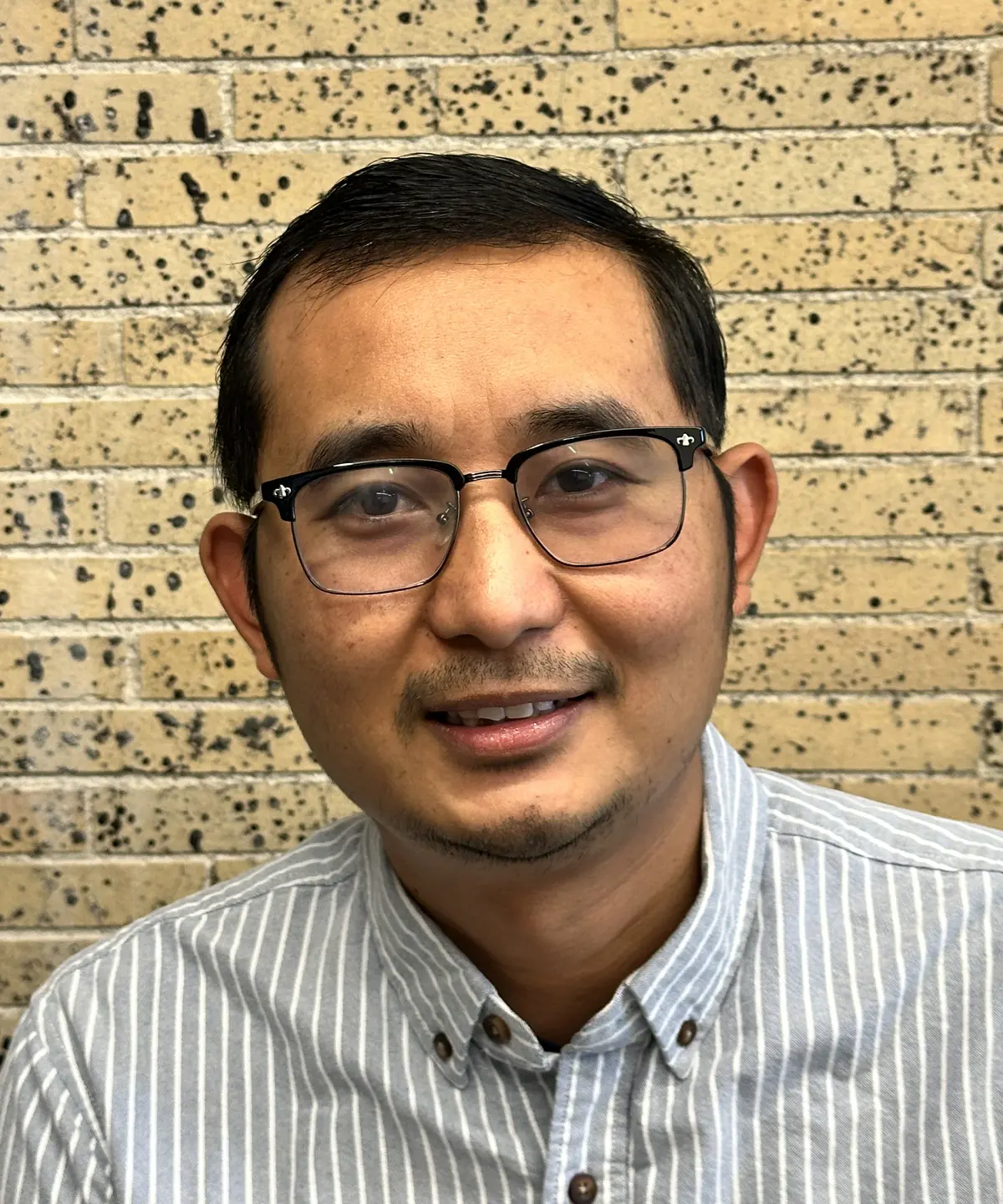 Image by K. Webster
 No immigrated to the U.S. to study education after he was blacklisted by Myanmar's military for starting schools.
No began by setting up a couple of makeshift schools for children who were internally displaced or living in remote villages in Pekon Township.
Within a year, he and his friends had set up 46 elementary and middle schools for children from Pekon Township alone. The following year, they added another 40 schools, including some high schools, and helped people from other communities in conflict zones to do the same.
They used a community-based model similar to the rural solar power projects No had worked on previously, training displaced schoolteachers and community volunteers for two weeks, then sending them back to their villages to start schools.
“I accidentally became an educator,” he says.
No, now 35, plans to use the $27,500 Spencer Foundation fellowship to support himself and to pay research participants as he interviews high school students, teachers and community members about what inspires them to remain committed to education, even as financial support from the U.S. Agency for International Development and other governments and agencies has mostly dried up.
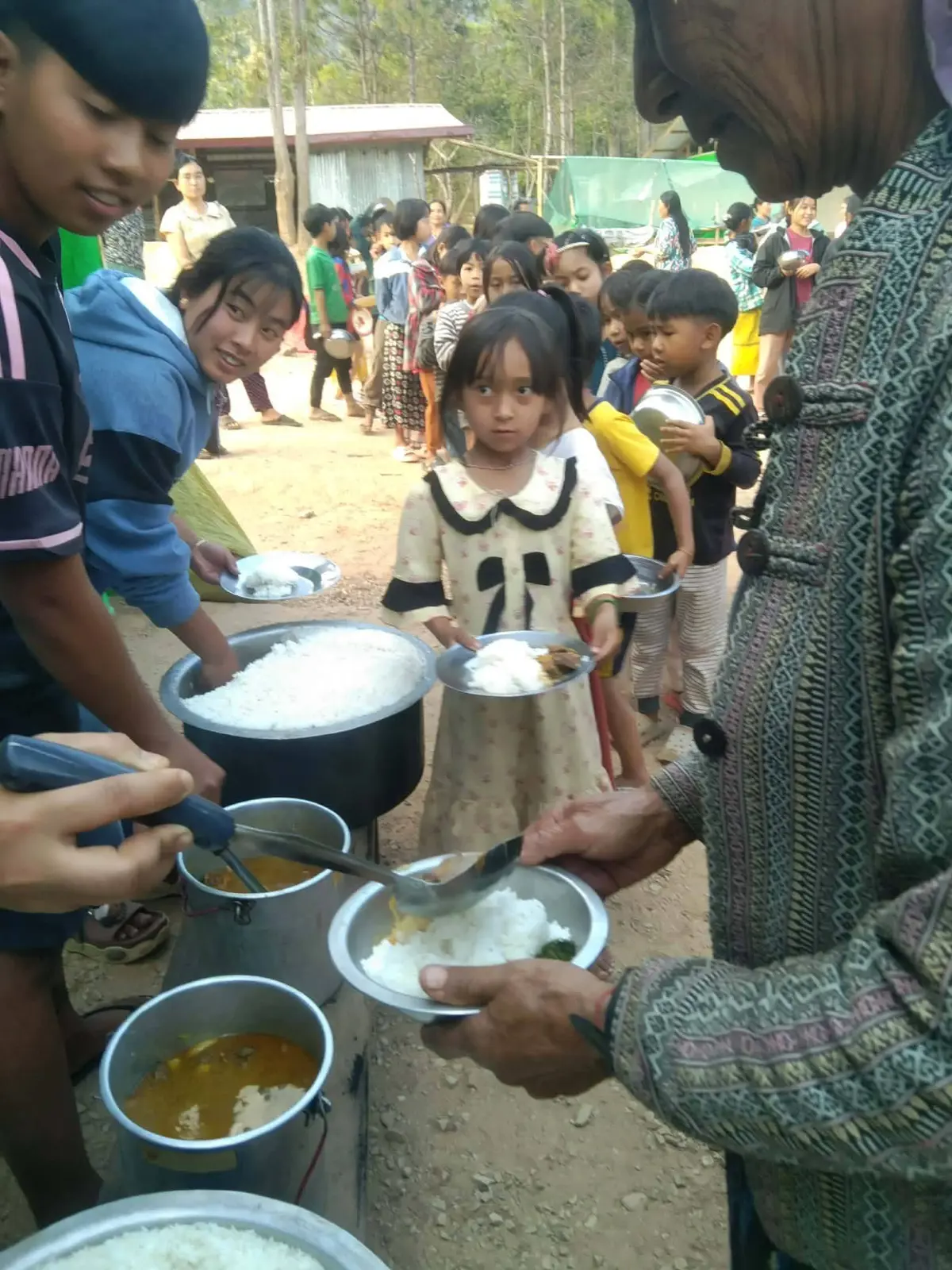 Image by Courtesy
 Internally displaced children wait to be served a lunch provided by international donors. No says that such funding has mostly dried up.
“Internally displaced people, they don’t have any farm to grow food, any job to support themselves, and still they care about education, so I want to understand that,” he says.
His hypothesis is that when a community takes ownership of a school, “it’s more sustaining,” he says.
No’s path to UMass Lowell resulted from similar research conducted by Political Science and Distinguished University Professor Ardeth Thawnghmung, who studies how civilians in Myanmar’s conflict zones cope with daily life.
A friend of No’s from Myanmar in the university’s Global Studies Ph.D. program, Naw Moo Moo Paw, connected him with Thawnghmung, who interviewed No for her own research and invited him to study at UMass Lowell. No said he would come if he could study education.
No, who already had a bachelor’s degree in English and an MBA, improved his English using the Duolingo language app before taking an English proficiency test required for international students from non-English speaking countries.
“On top of the mountain, we got some internet access in a little tent,” he says. “I took the exam online, and fortunately I passed.”
No, who is pursuing the research and evaluation option within the education Ph.D. program, has worked with several School of Education professors as a teaching assistant and a research assistant. He also assists Thawnghmung with her research on civilians in Myanmar, and he volunteers at the Advocate, Celebrate and Empower (ACE) Center for New Americans in Lowell, which assists new immigrants and refugees.
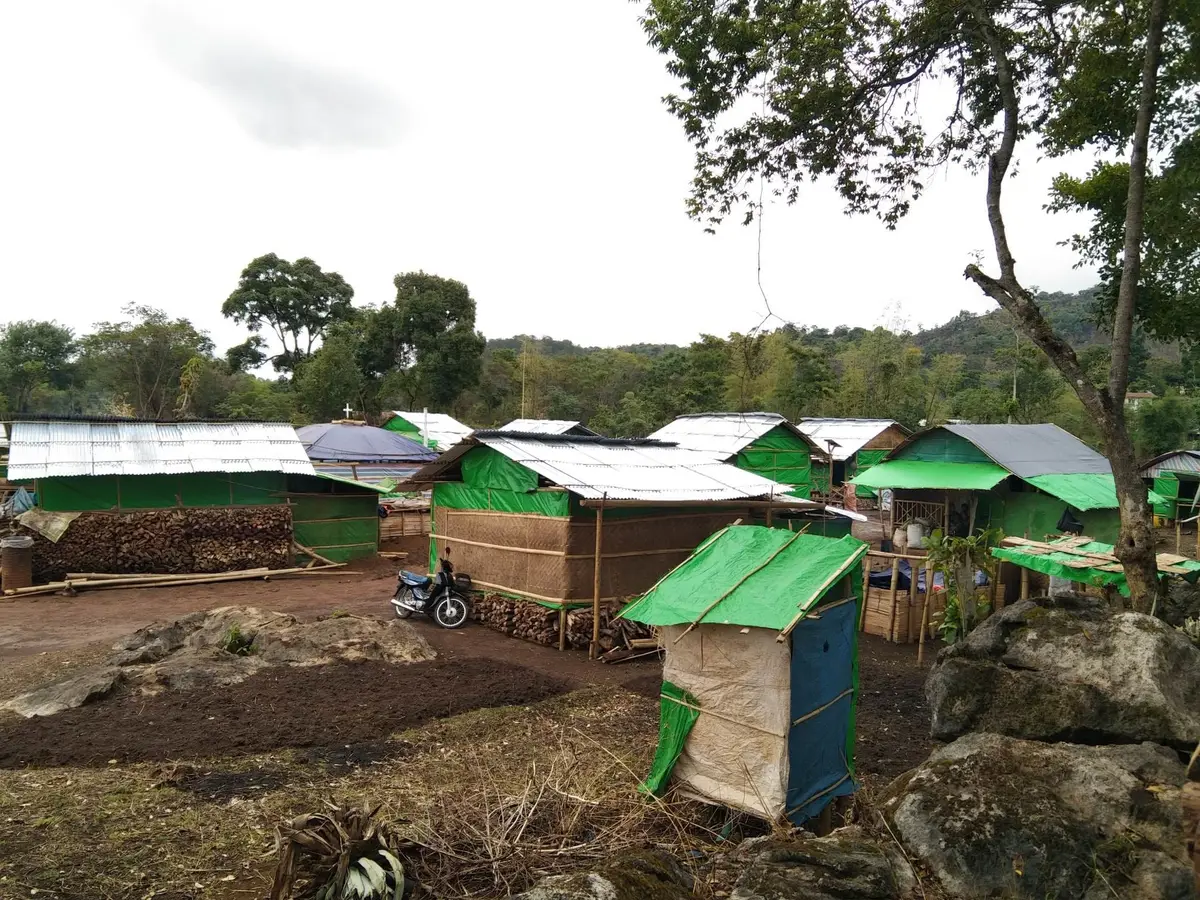 Image by Courtesy
 An encampment of temporary houses for internally displaced people in Myanmar.
“He is one of the most resilient, hard-working and down-to-earth people I have ever met, given all the difficulties and trauma he has faced. He was blacklisted in Myanmar just for starting schools,” Thawnghmung says. “He has managed to pull himself together and do well academically as well as socially, and also to dedicate himself to the community both here and back home.”
Given the political situation in Myanmar, No is unsure when he can return. But when the civil war ends, he hopes to return and put his research and evaluation skills to good use.
“When things improve in Myanmar, there will be a lot of programs to test, to see if they are working for the community,” he says. “The knowledge I receive from this university in education will improve the future of education in Myanmar.”