
Fred Faust, Bell Tower Commercial Real Estate Group
Fred Faust arrived in Lowell in 1972 after his graduation from Emerson College. His first full-time job was at the local radio station, WCAP. As he recounts in his interview, that experience immediately immersed him in the local politics of the city; it also introduced him to key figures already mentioned in other interviews such as Patrick Mogan and Paul Tsongas. Fred went on to join Tsongas’ campaign staff in 1974, when Watergate propelled reformers like Tsongas to Congress. In Washington DC, Faust sought to be assigned to work on the legislation for what became Lowell National Historical Park. From 1980 to 1986 he served as the first Executive Director of the Lowell Historic Preservation Commission. He then transitioned into real estate development work while consulting for various political candidates.
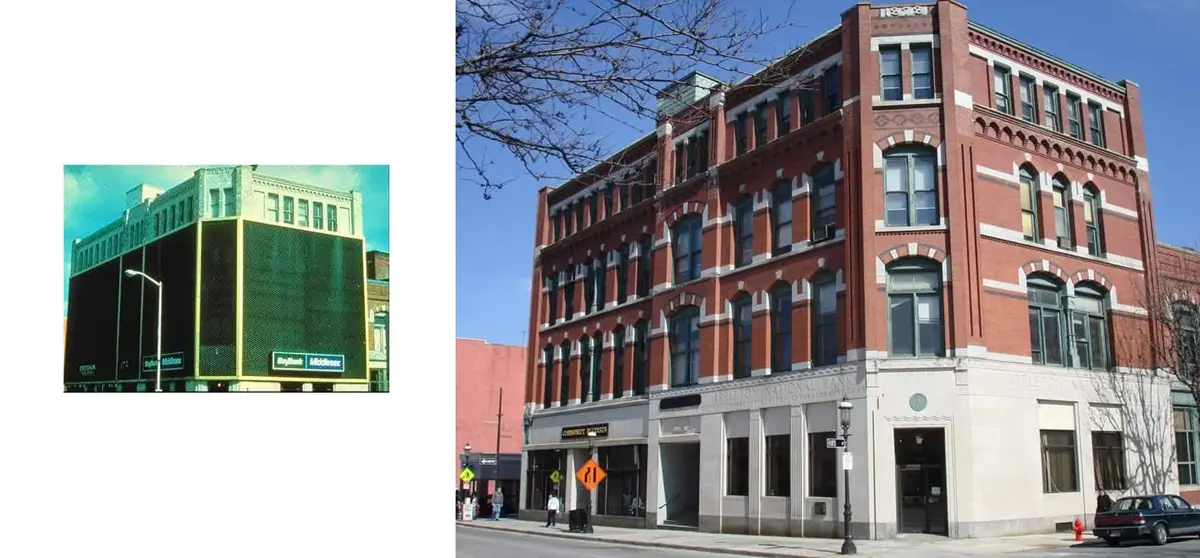 Image by Lowell Historic Board
 The Interview
In the interview, Fred describes his first impressions of the city with vivid recollections of the people, political issues, and the physical state of the buildings. Unemployment was high and there was over 6 million square feet of vacant mill space. He underscores the challenges that both Pat Mogan and Paul Tsongas faced in advocating for the national importance of Lowell's history, the national park, and their unrelenting commitment to high standards: “the city is the park,” not just a few preserved buildings. Tsongas recognized the key role and resources business owners could play in Lowell's revitalization—Fred recounts the story behind the renovation of the façade of the Appleton Block as one clear example. In his interview, Fred reminds us that the results we see today were never a given and that it is through active involvement and perseverance that people can make a difference.