The Future Us!

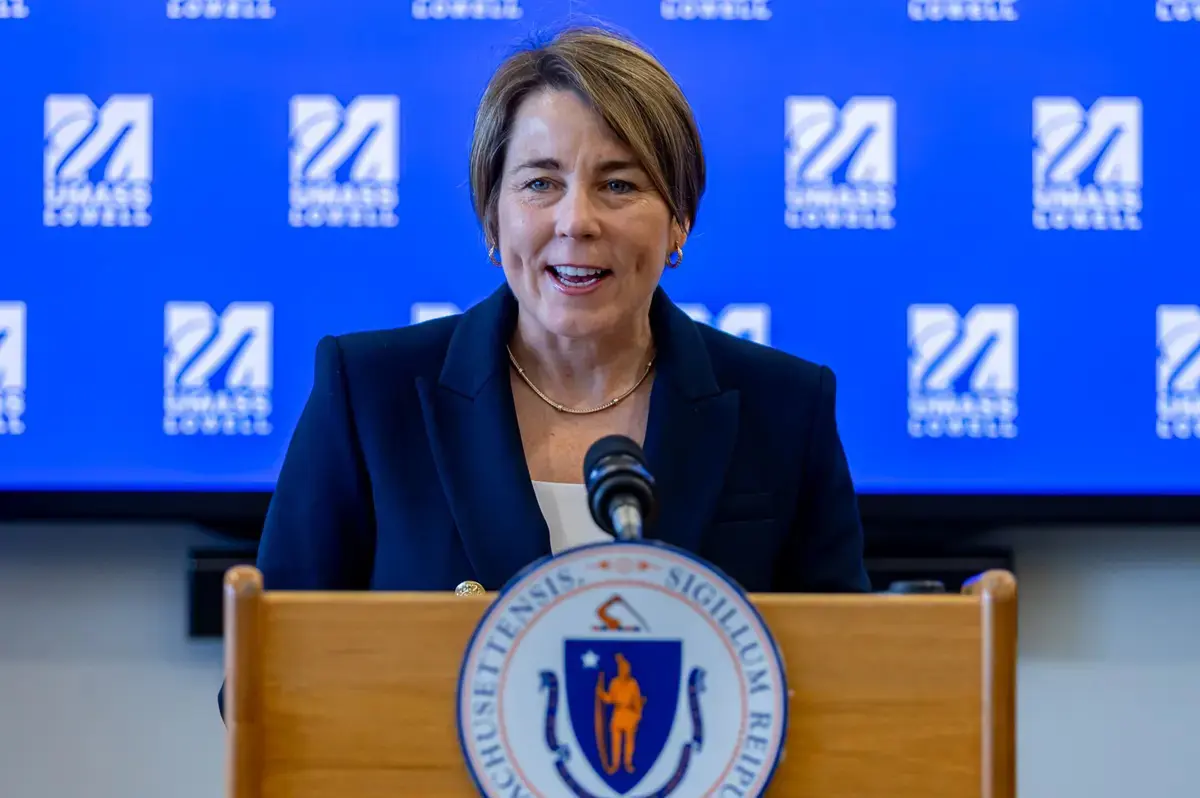
Massachusetts Governor Maura Healey speaks at a podium

Massachusetts Gov. Maura Healey speaks at the Lowell Innovation Network Corridor (LINC) announcement in March 2024.

04/15/2026

It’s been said that the most reliable way to predict the future is to create it. And that’s what UMass Lowell faculty, students and alumni are busy doing—helping to design the future on campus, in their communities and around the globe.

“The next great innovation Hub in going to be right here in Lowell.” -Massachusetts Gov. Maura Healey
Like generations before them, members of the River Hawk community are leading the way through innovation, investment and inspiration, in disciplines ranging from the arts to space exploration. Their efforts are resulting in new approaches to health care, education and public policy. They are creating new opportunities for economic growth, developing new technologies that help us live more comfortably and sustainably, and finding new ways to bring people together through music, art and literature.

And the LINC development is setting the stage for future growth for the university and the city, drawing in new businesses, workers and amenities and creating new opportunities for research and collaboration. The future (like the present) is an exciting time to be a River Hawk.

Innovating the Future

UMass Lowell faculty, alumni and students are busy designing the future—in science, technology, health care, education, the arts and every discipline that you can imagine on campus and out in the world. Here is a sampling of their visions for what lies ahead.
Supriya Chakrabarti

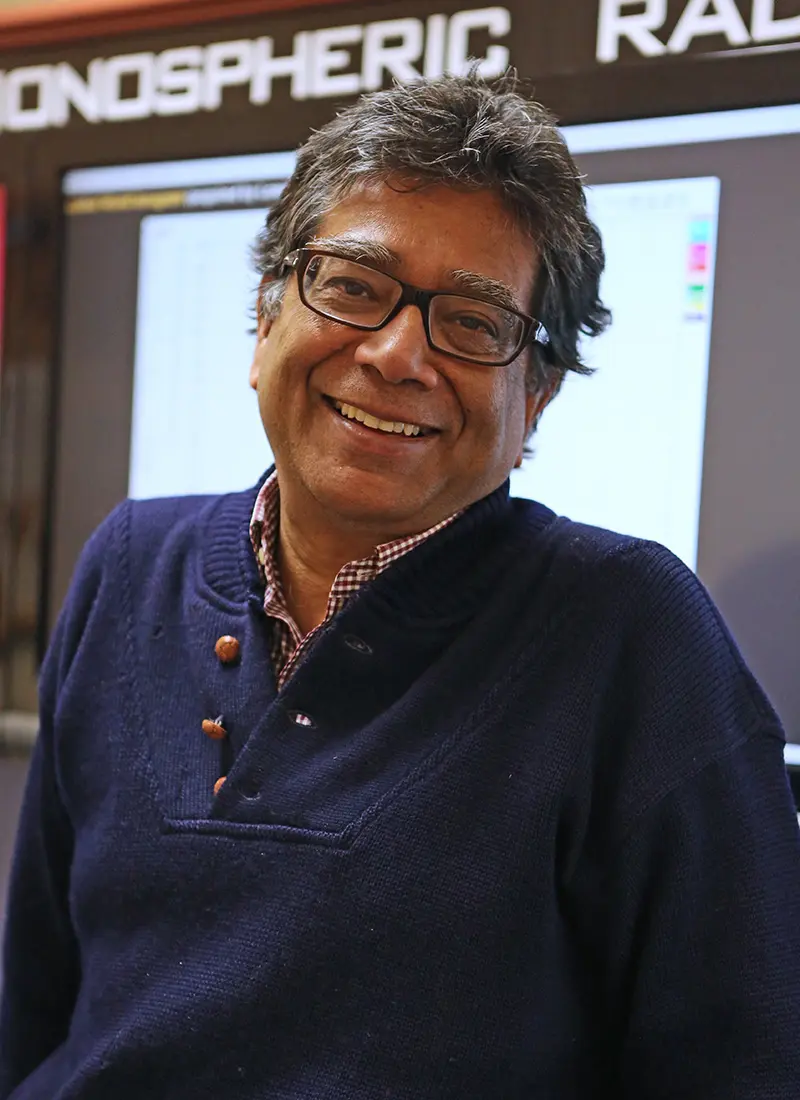
Making Space Exploration More Accessible

“There is so much unknown about the universe, but the future promises advancements in technologies that will empower researchers and everyday explorers to uncover new insights about space. We’re opening the doors to making space more accessible.” 

SUPRIYA CHAKRABARTI, physics professor and director of the Lowell Center for Space Science and Technology and the Massachusetts Alliance for Space Technology and Sciences.

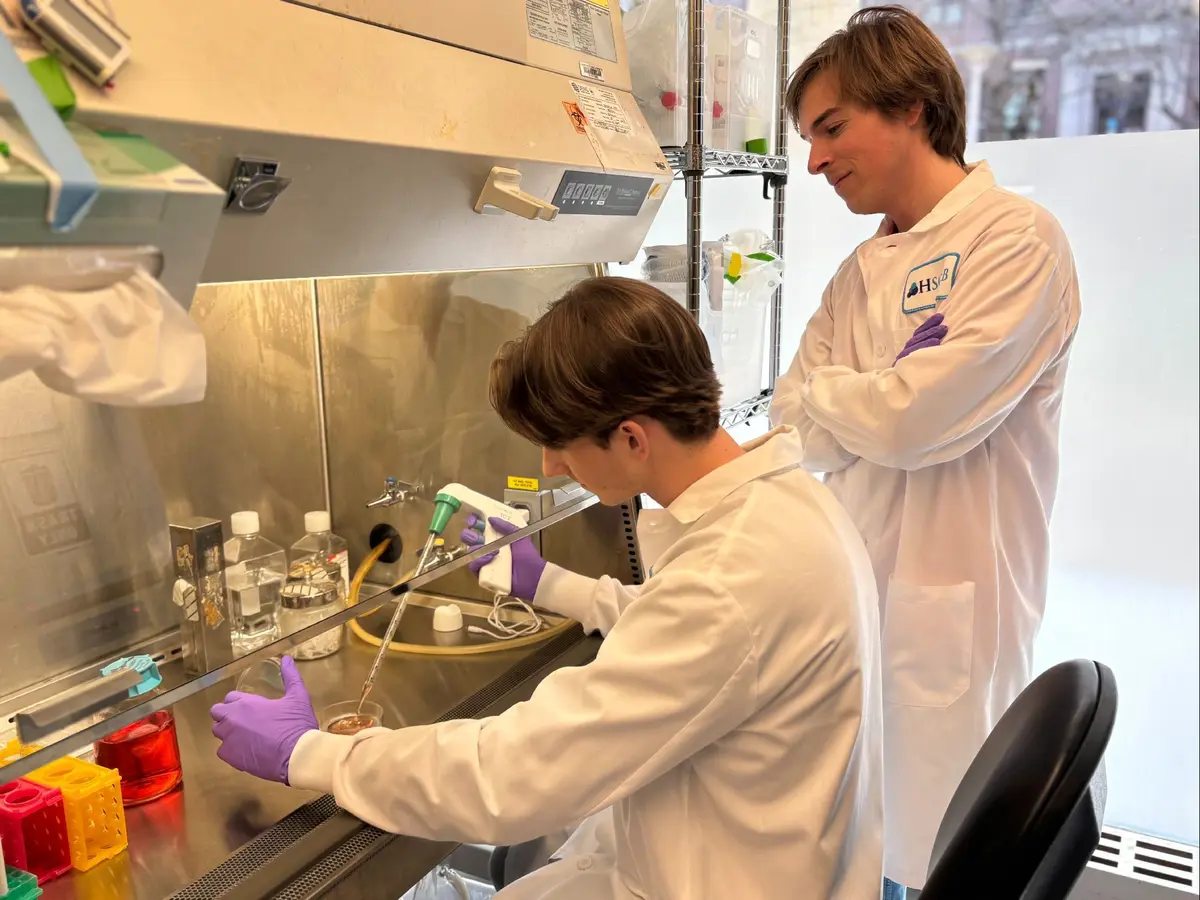
Two researchers in white lab coats, one seated, the other standing in lab

Researching Aging at Warp Speed

“Although we have ways to slow or stop aging in worms and fruit flies, translating those findings to human cells remains a major challenge. In the lab, I’m applying traditional drug discovery approaches, using human pluripotent stem cells, to identify drugs to reverse human brain aging. Doing that requires us to develop ways to age those stem cells at warp speed.” 

RICH GIADONE ’15, biology alum and a postdoctoral researcher in the Department of Stem Cell and Regenerative Biology at Harvard University

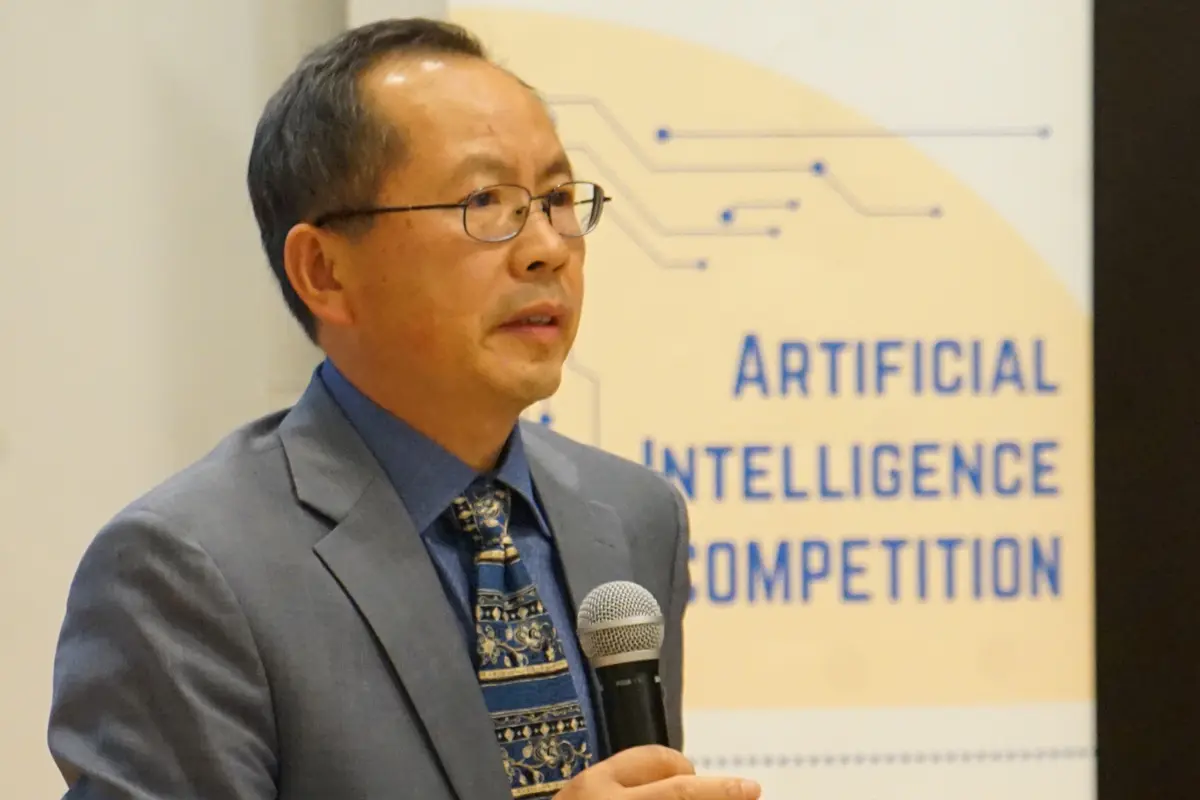
A man in a suit and glasses holds a microphone while speaking. Image by Ed Brennen

Harnessing AI in the Business World

“AI is evolving at an extraordinary pace, but its greatest impact will come from people who know how to work with it. The future is not AI replacing humans; it is humans and AI enhancing each other. At the Manning School, our goal is to raise the level of AI awareness and capability so students can combine technology with business insight, make better decisions and lead in creating the new opportunities that this next era will bring.” 

—HARRY ZHU, professor of Operations and Information Systems and the Manning School of Business Endowed Professor of Artificial Intelligence

A person points to a poster featuring butterflies and flowers hanging on a wall in a room. Image by Ed Brennen

Empower Students to Master Emerging Tools and Creativity

"Design and media have always evolved at an extraordinary pace—and today, that momentum is greater than ever. At our newly launched Riverworks Studio, students will be empowered to master emerging tools, including AI, as part of their creative process, while honing their creative thinking and skills with established methods as they work on projects for actual clients. Students will engage with the community in a professional environment, innovating and managing the studio to meet contemporary communication demands." 

—REGINA GARDNER MILAN, teaching professor of Art and Design and director of the new Riverworks Studio

New Physical Therapy and Kinesiology Department Chair Julie Keysor

Helping People Reach Peak Performance

“At UMass Lowell, faculty across multiple disciplines including exercise science, biomedical and nutritional sciences, physical therapy, engineering, biology, public health and data science are working to advance human performance research to broaden our understanding of how soldiers, first responders, athletes and adults aging with chronic conditions can optimize how they train, work and recover from injuries. By using state-of-the-art monitoring and digital health, performance and capacity assessment across body and organizational systems, as well as advanced machine learning and artificial intelligence, we will identify ways in real time to improve and sustain performance outcomes.” 

—JULIE KEYSOR, professor and chair of the Department of Physical Therapy and Kinesiology

A seated young man types on a computer keyboard while a standing man looks on. Image by Brooke Coupal

Strengthening Cyber Defenses as the Rules are Constantly Being Rewritter

“The future of cybersecurity lies at the intersection of artificial intelligence (AI) and human expertise. The challenge isn't just protecting traditional computer systems anymore; it's securing AI models themselves from adversarial attacks, ensuring that AI-powered defenses don't introduce new vulnerabilities and preparing for threats we haven't yet imagined. UMass Lowell is uniquely positioned to address these challenges. The university's strength in both cybersecurity research and AI/machine learning creates a natural synergy for tackling next-generation security problems. Through hands-on research opportunities, collaborations with industry partners and a curriculum that is evolving with the threat landscape, UML is training students not just to respond to today's threats, but to anticipate and prevent tomorrow's.” 

—SASHANK NARAIN,assistant professor in the Miner School of Computer and Information Sciences

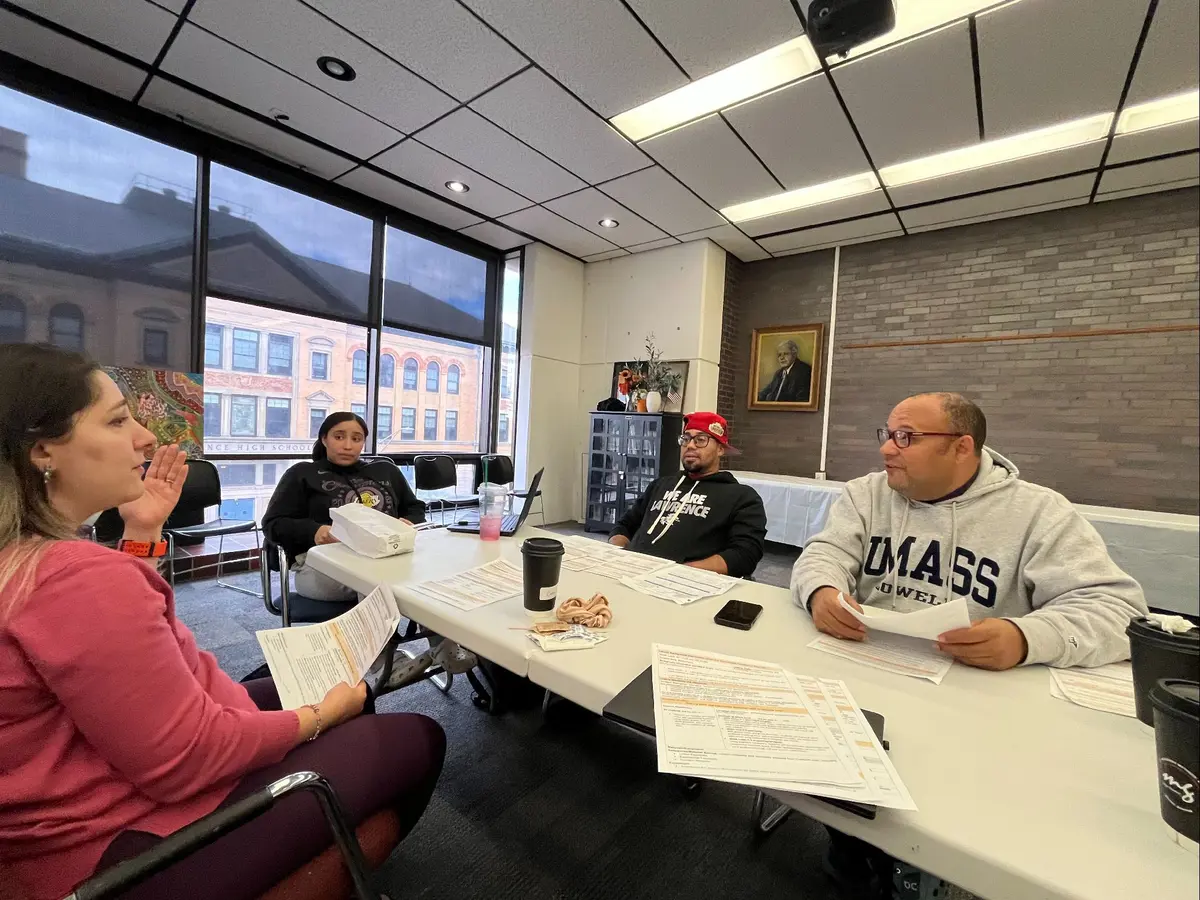
Four people sit around a table discussing documents on the table

Reversing the Teacher Shortage

“Teaching apprenticeship programs is one of the newest strategies to address a shortfall of elementary school and special education teachers—a shortage caused in part by the requirement that those training to become teachers complete hundreds of hours of student teaching without pay. Under two state grants, the School of Education is working with the Lowell and Lawrence Public Schools and Middlesex Community College on apprenticeship programs that allow paraprofessionals and community college students to complete their bachelor’s degrees and student teaching hours while earning a paycheck.” 

—COLLEEN TAPLEY, assistant professor of education

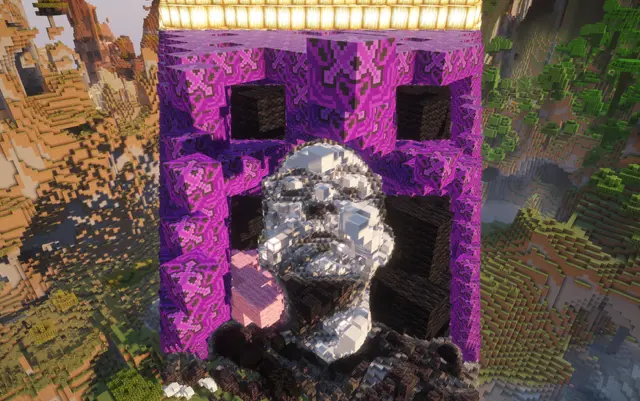
Face on Minecraft screen

Telling Stories Through Sound

“The frontiers of music are in the most magical and collaborative of spaces—video games, animated films, interactive environments such as sound installations, and live stages. Students in our Composition for New Media major are learning to create original music that tells stories with sound, whether by shaping the mood of a film, building tension in a game or designing an experience that responds to the audience in real time.” 

—RAMON CASTILLO, associate teaching professor in the Music Department

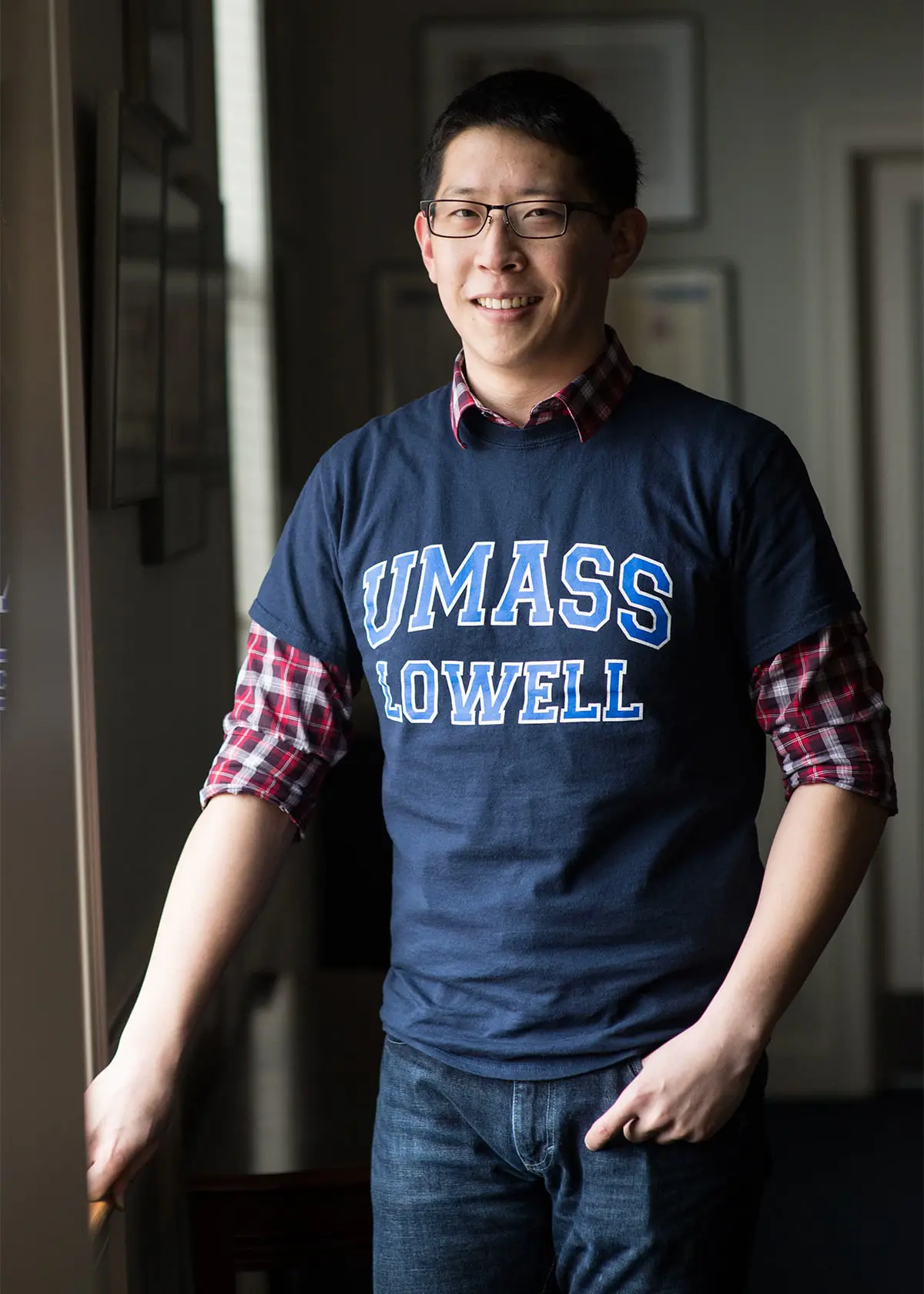
Fang Zhang in UMass Lowell T-shirt

Fostering Breakthroughs in the Lab by Cultivating Talent

“I see myself becoming a people leader in the industry, to empower people to become a better version of themselves. Together as a team, we deliver the outcome and impact.”

—FANG ZHANG, ’15, ’20, a senior scientist in Analytical Research and Development at Pfizer, where he is involved with advancing vaccines, monoclonal antibodies and other large-molecule therapies.