
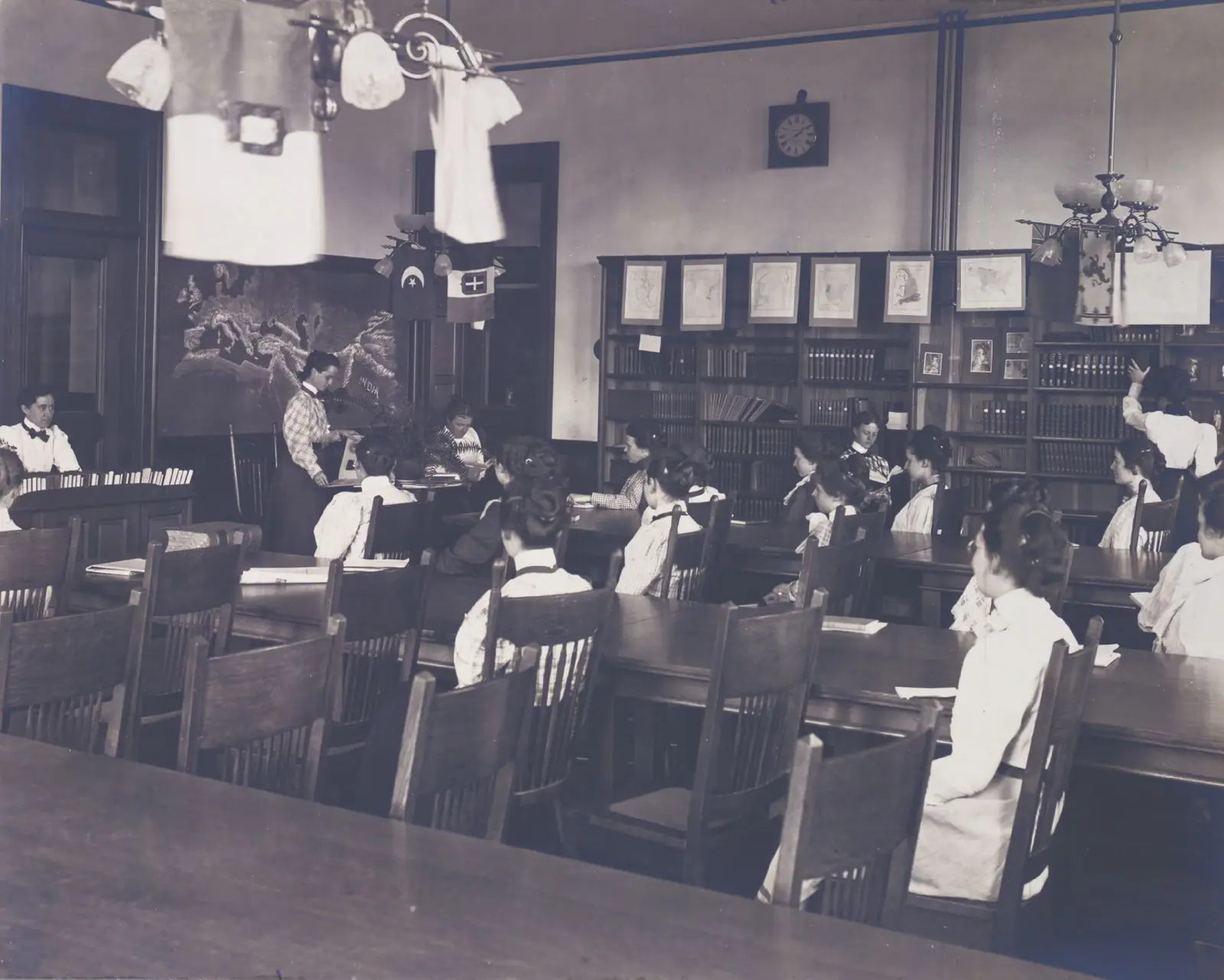
Students in the early days of the Lowell Normal School.
UMass Lowell’s origin story is entwined with the history of Lowell, its roots deeply embedded in the Industrial Revolution and the tectonic changes that were reshaping the region, the country and the world.
Over the following decades, the two public institutions adapted and grew— adding degree programs, increasing enrollment, developing campuses on both sides of the Merrimack River, recruiting new faculty, attracting investment and advancing scholarship and knowledge through research and development. Lowell Textile became Lowell Technological Institute; the Lowell Normal School became Lowell State College. With their complementary strengths, the schools merged in 1975, creating the University of Lowell. In 1991, the university joined the UMass system, and UMass Lowell was established.
Through every iteration, the university has remained true to its roots, offering an excellent, accessible education, maintaining deep community connections and creating opportunities for growth.
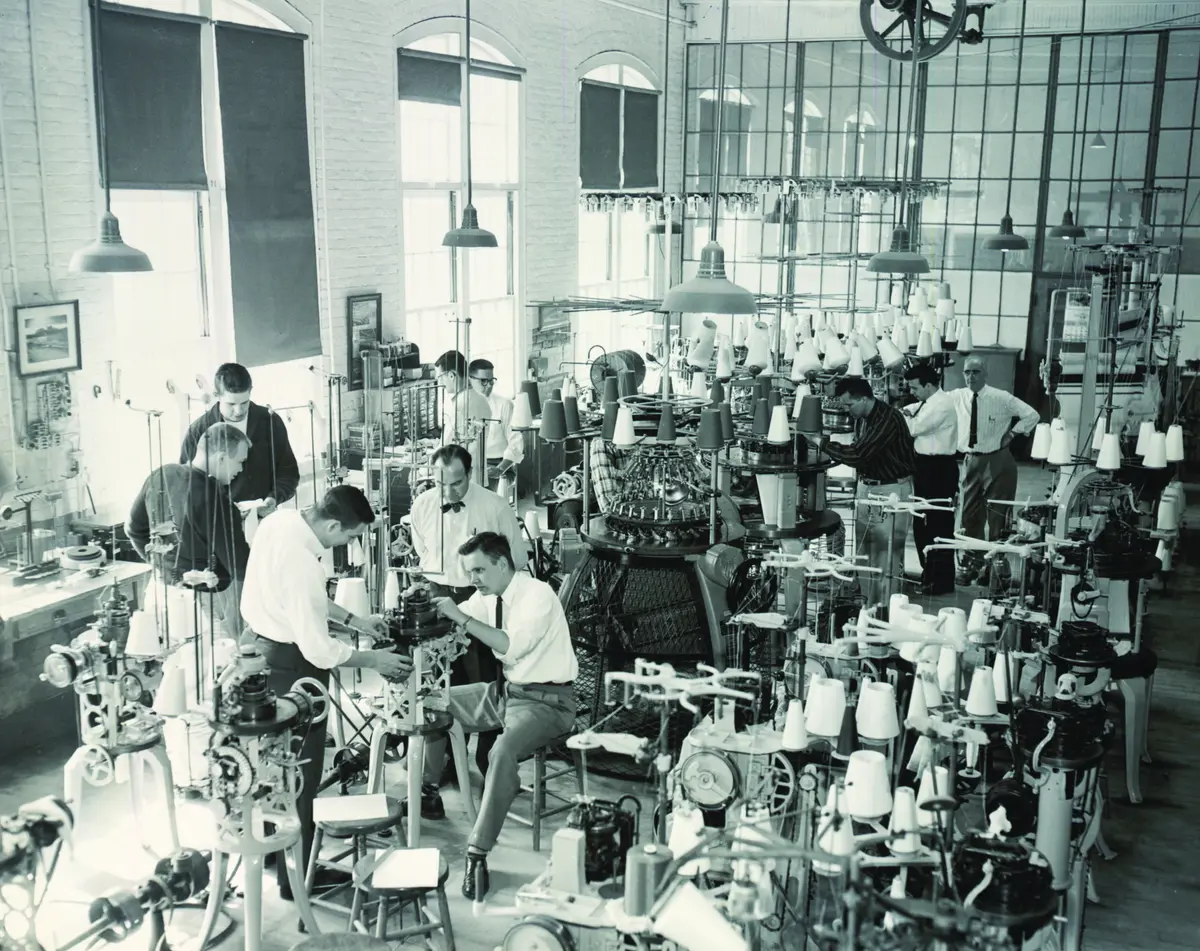
FROM ITS EARLIEST DAYS, Lowell Textile School offered courses in cotton and wool manufacturing, designing, chemistry, textile engineering, physics, math and electrical engineering. As the campus developed on the north side of the Merrimack River, labs with cotton and wool manufacturing equipment and an experimental dyeing lab were built for hands-on learning. In 1929, the school was renamed the Lowell Textile Institute to reflect its expanded curriculum and its four-year bachelor’s degree programs. In response to the shifting post-World War II economy, signature programs in plastics engineering and nuclear engineering were launched, and the school was renamed Lowell Technological Institute. Industrial management courses were introduced in 1960, with a four-year business administration program enrolling its first students four years later.
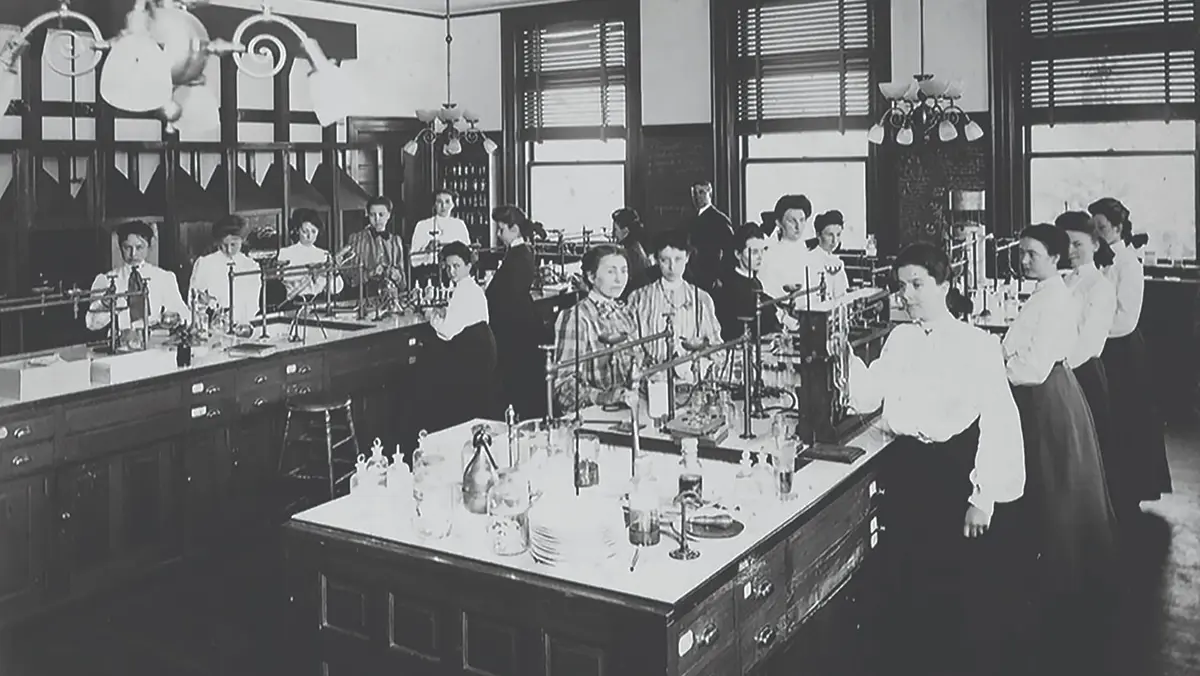
At Lowell Normal School, future elementary school teachers studied psychology, educational methods, English literature, physiology, chemistry, art and other subjects. In 1912, the Normal School began offering a program for music educators, setting the stage for the university’s leadership role in music education. In 1932, the school transformed into a four-year teachers college, granting Bachelor of Science degrees in elementary education and music education. After years of growth, the school became Lowell State College in 1960, offering additional degrees in education and adding programs in nursing, the humanities and social sciences.
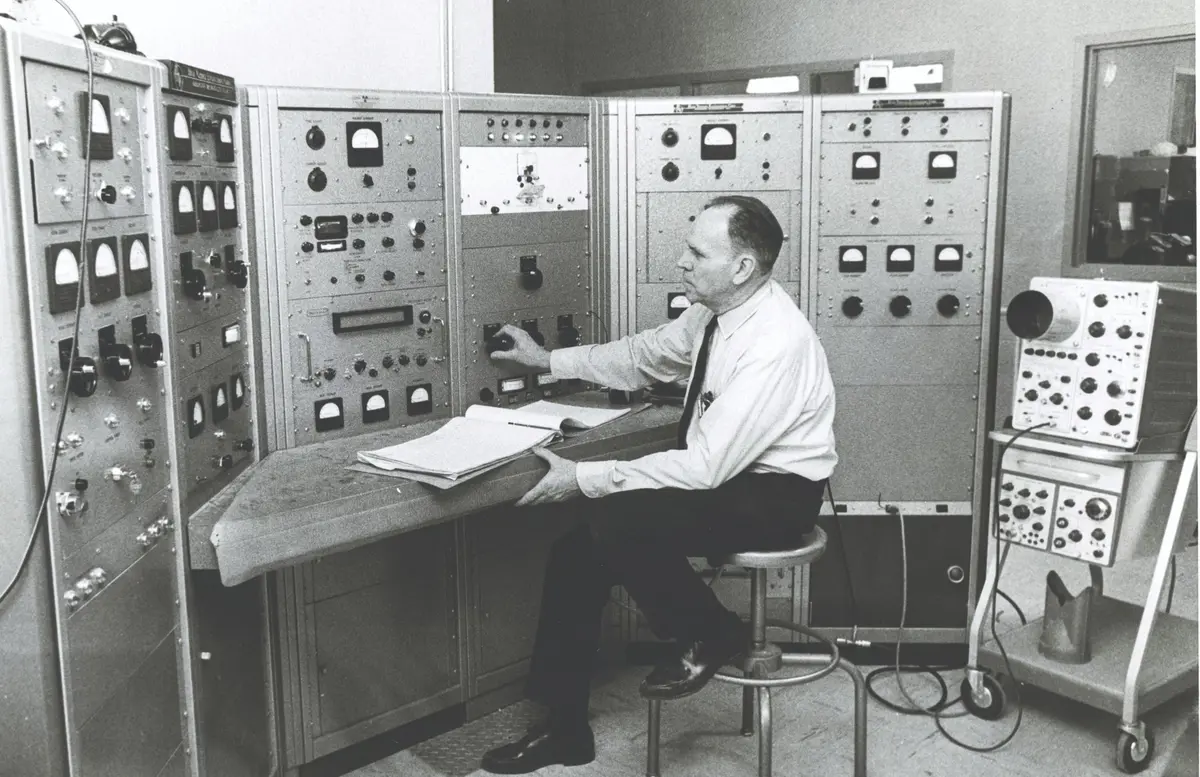
THROUGHOUT ITS HISTORY, UMass Lowell and its predecessor schools have attracted students and faculty who are doers and dreamers, who have both the drive and the vision to make a difference in education, industry and the arts and sciences, and who lead in their communities and in their professions.
Partnerships with civic organizations, industry and the public sector have been key to the university’s growth and development. From the beginning, alumni have been living examples of the transformative power of education, and many have felt called to give back to the university to create opportunities for future generations of River Hawks.

THE FIRST CENTURY OF ATHLETICS at UMass Lowell was defined by pioneers who broke barriers, teams that set new standards and moments that inspired generations. From the early days of basketball and baseball excellence to trailblazing milestones in women’s sports, our student-athletes laid the groundwork for a proud tradition of competition. Championships on the ice, the court and the cross-country course proved that UMass Lowell could rise to the national stage. Together, these early achievements created a lasting legacy—one that continues to fuel the vision of a university designing the future.
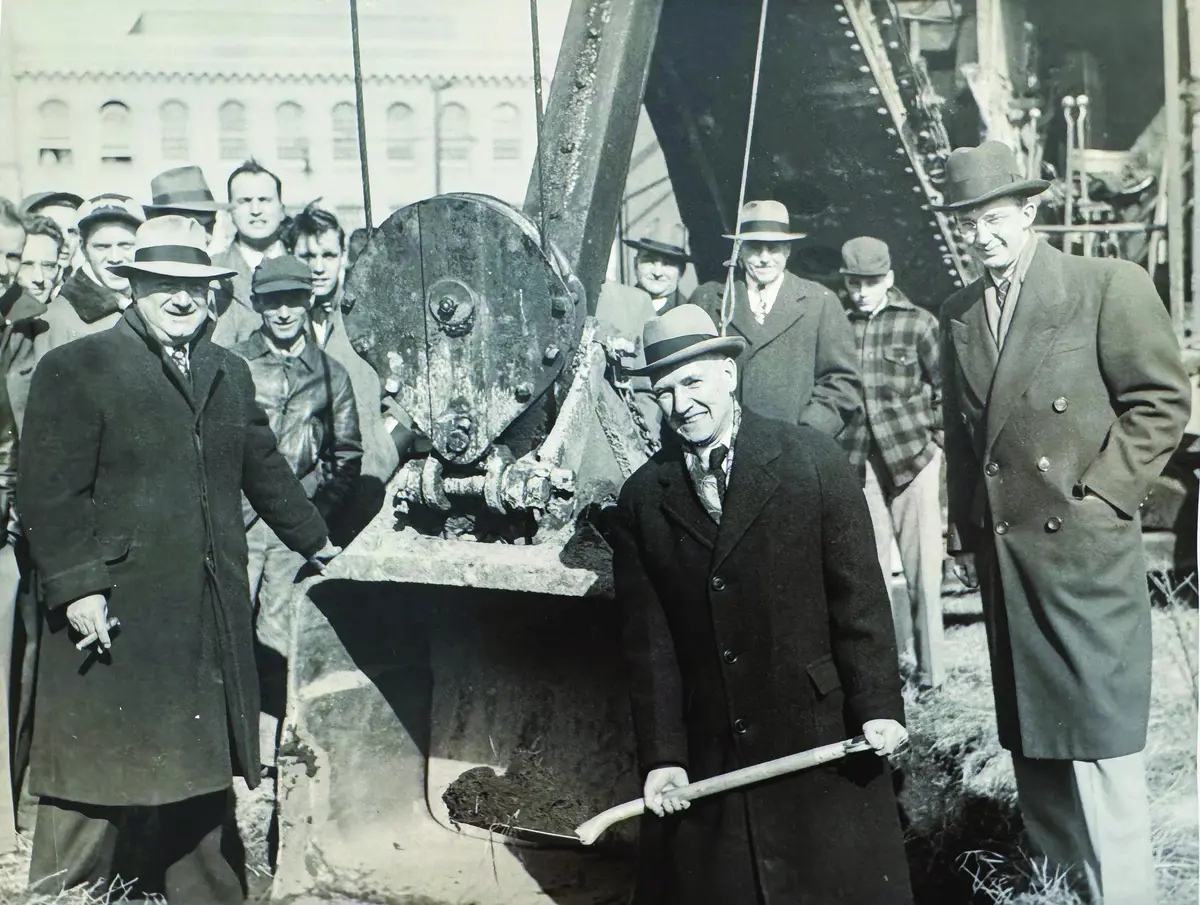
FROM ITS HUMBLE BEGINNINGS with a few sparsely furnished classrooms, UMass Lowell has developed into a modern public research university whose buildings trace a century of growth in education, industry and civic partnership. Each era of construction reflects the university’s shifting mission: from teacher preparation and textile innovation to science, engineering, business and the arts.