
Expertise
Social-emotional learning; Inclusive postsecondary education; Transition services; Disability advocacyResearch Interests
- Social-Emotional Learning for Students with Intellectual and Developmental Disabilities
- Inclusive Postsecondary Education and Transition Programs
- Educator Experiences in Virtual Special Education Settings
Education
- Doctoral Student (Ed.D.): Transformative Leadership, University of New England
- Master of Education (M.Ed.): Educational Leadership and Administration, Fitchburg State University
- Bachelor of Arts (BA): English and Secondary Education, Bridgewater State University
Biosketch
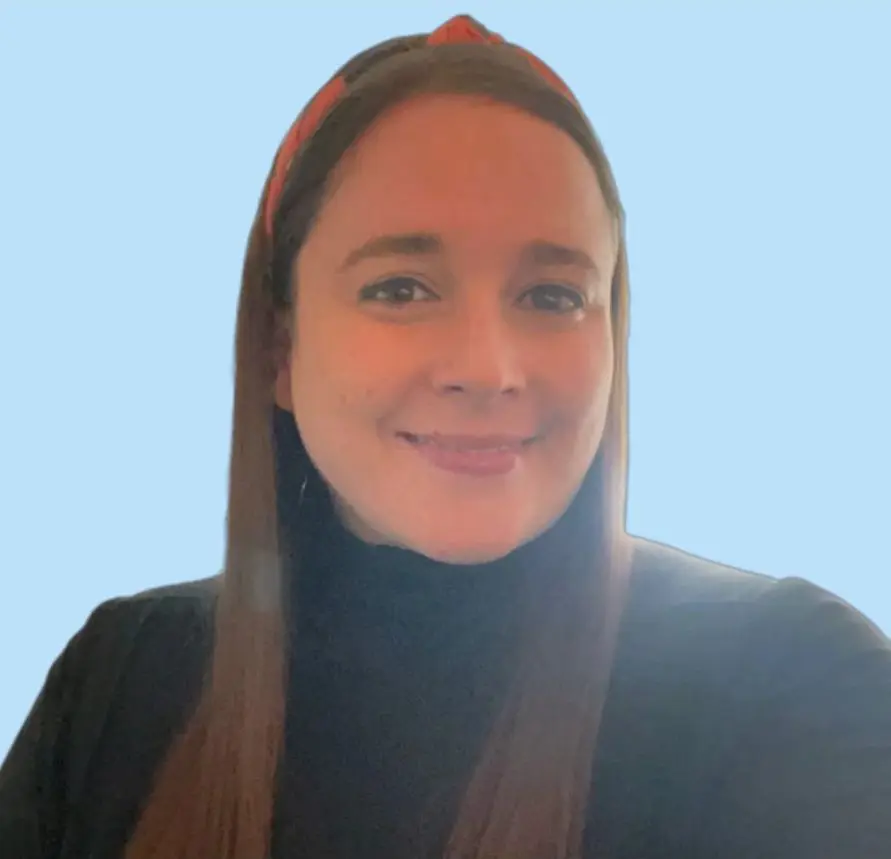
Julianne Sullivan is the coordinator of the Massachusetts Inclusive Postsecondary Education Initiative (MAIPSE) at the University of Massachusetts Lowell. In this role, she works to expand inclusive postsecondary opportunities for students with intellectual and developmental disabilities and helps build partnerships between school districts and the university to support students in accessing academic, social and career experiences on campus.
Julianne has more than a decade of experience in education supporting student development, transition readiness, and social-emotional growth. She previously worked as a special educator and later served as director of transitions at Best Buddies, where she supported employment and postsecondary pathways for individuals with intellectual and developmental disabilities. Her work has included designing and facilitating programs that promote self-advocacy, career exploration and resilience for diverse learners. She is committed to creating inclusive learning environments that empower students to thrive both academically and personally.
Julianne is a doctoral student in the Transformative Leadership program at the University of New England. She earned a Master of Education in Educational Leadership and Administration from Fitchburg State University and a Bachelor of Arts in English and Secondary Education from Bridgewater State University. Her research interests include social-emotional learning for students with intellectual and developmental disabilities, inclusive postsecondary education and transition programming, and educator experiences delivering virtual instruction to students with disabilities.