Nanomanufacturing Center

Controlling Shrinkage When Injection Molding Microfluidic Devices

UML Home >   Nanomanufacturing Center > Research > Nanomaterials > Controlling Shrinkage When Injection Molding Microfluidic Device Printer Friendly Printer Friendly

Joey L. Mead, Plastics Engineering and Carol M. F. Barry, Plastics Engineering

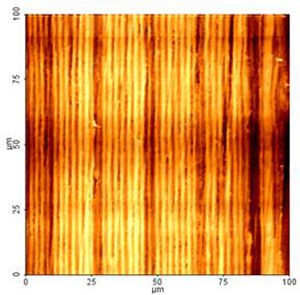
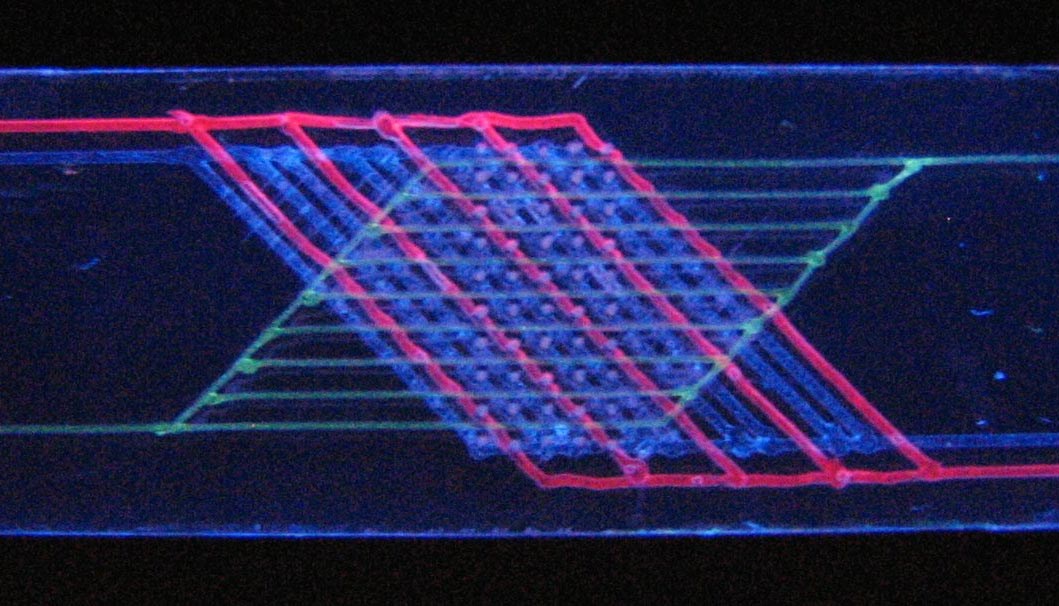
The fast growing demand for injection molded microfluidic devices requires the capability to maintain dimensional precision during manufacturing. The control of shrinkage, which is required for good part quality, however, has not been explored even though processing temperatures and cooling rates are typically greater for microscale parts. Therefore, shrinkage was evaluated as a function of processing and tooling parameters for polystyrene injection molded using electroplated nickel tooling with 100-mm wide microfluidic channels. The surfaces of the tooling and molded parts were characterized using an optical profilometer. Processing windows and guidelines for minimizing shrinkage were developed from these results.


Nanomanufacturing Center - Olney Science Center, 265 Riverside St., Olney OG24, Lowell, MA 01854
Phone: 978-934-3188 Fax: 978-934-4056 Email: Lois_Heath@uml.edu

This is an Official Page/Publication of the University of Massachusetts Lowell