University of Massachusetts Lowell
UML Home News Calendar Directory Maps & Directions Libraries Questions
Nanomanufacturing Center

Module Descriptions

Explaining Nanotechnology   
Students are (1) introduced to the nanoscale and the differences in properties at the nanoscale; selected nano products; and the societal impact issues associated with nanotechnology and (2) given an overview of nanoscale plastics processing (since this course was developed for freshman plastics engineers). In a service-learning-oriented laboratory session, the students test current K-12 outreach activities in nanotechnology and then student groups develop their own modules. Two, 50-minute lectures and two, two-hour-long laboratory sessions are at an interval of at least two weeks.

Introduction to Nanomaterials and Nanoscale Microscopy Characterization Techniques   
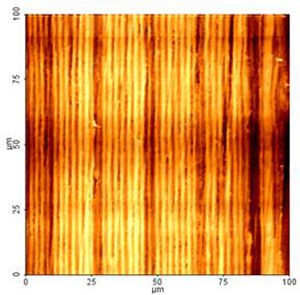
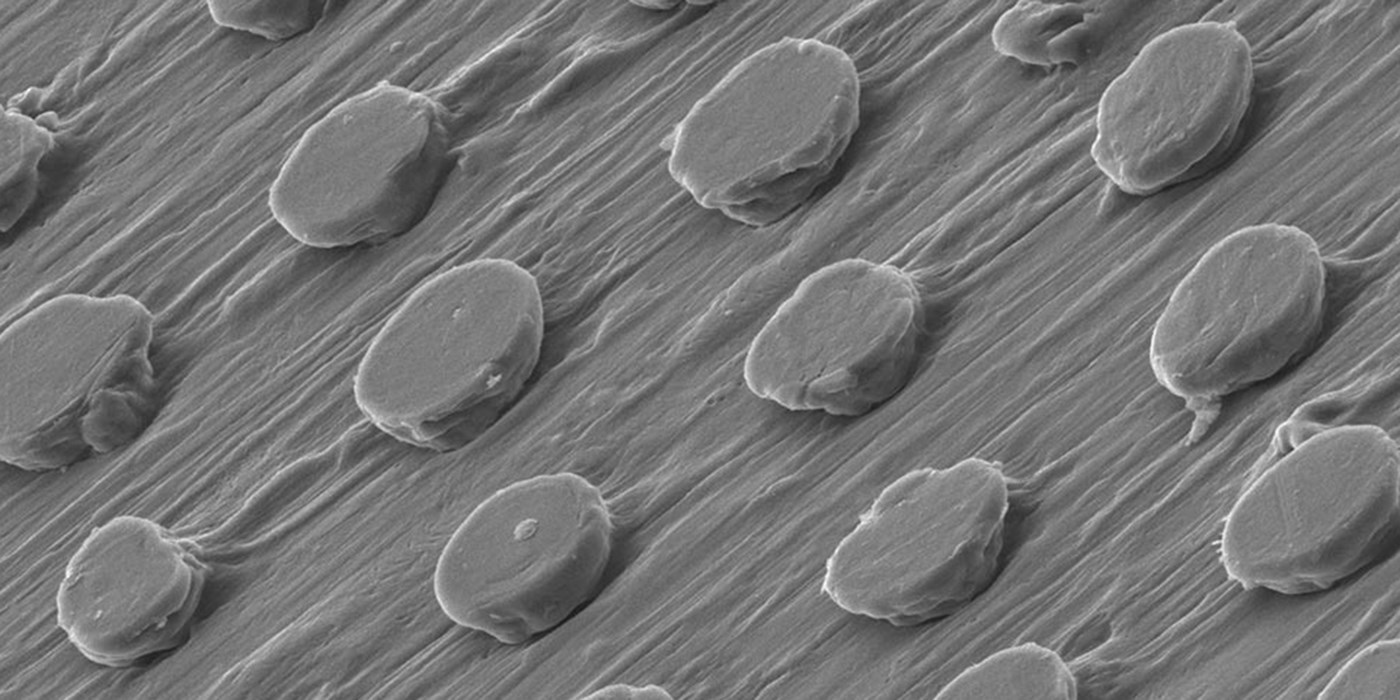
This module introduces students to nanotechnology, with specific discussion of why nanomaterial behavior is different from macroscale material behavior and how one "measures" or "sees" things at the nanoscale. This module includes a lecture with handouts and laboratory session in which SEM, TEM, and AFM were demonstrated to the students.

top

Applications for Nanotechnology   
This module introduces concepts of nanotechnology through an overview of engineering applications, as they relate to bonding in materials science. The materials included a lecture, a tour of important web sites with additional information, and presentation of 20 minute movie from Museum of Science (Boston) that described "Wonderful (and not so wonderful) World of Carbon Nanotubes." The movie described potential hazards of technology.

top

Engineering Thermoplastic Nanocomposites   
Introduces students to the history and development of nanoclay composites, the use of nanoclays (chemistry, availability, PSD, PSD, etc.), compounding schemes used for incorporation, the typical engineering plastics modified, the properties enhanced, and typical applications. Three 50-minute lectures.

top

Compounding of Nanocomposites   
In this three-week sequence, students examine good manufacturing processes in the twin screw compounding of nanocomposites, specifically the effect of feeding conditions on the particle concentration in the air as well as the mechanical properties of the resultant molded parts. Three two-hour laboratory sessions plus two 30-minutes lectures on handling nanoparticles.

top

Nanotechnology and Literature   
In this month-long module, students are briefly introduced to nanotechnology. Then students read and discuss Richard Feynman’s Plenty of Room at the Bottom, Bill Joy’s Why the Future Doesn’t Need Us, Michael Crichton’s Prey, and James Halperin’s The First Immortal.

top 

Market Structure of Emerging and Pre-Commercial Industries   
This module is used during a two-week period dealing with market structure. Students explore the nature of nanomanufacturing and discussed the market structure of these emerging and pre-commercial industries.

top

The Application of Nanotechnology   
This week-long module examined the risk assessment process currently taking place in nanotechnology research and development. The instructional materials included lecture notes, readings, short video clips, and a bibliography of the relevant literature. With the success of the module in fall 2005, the module was expanded to two weeks in spring 2006.

top

NBIC Technologies and the Ethics of Human Enhancement   
Applies the various philosophical perspectives and traditions studied and discussed during the course of the semester to ongoing issues regarding the possibility of human enhancement through technology in general and nanotechnology, biotechnology, information technology, and cognitive science convergence (NBIC convergence) in particular.

top

Nanotechnology and Environmental Values   
Discusses the roles that nanotechnology might play in addressing environmental challenges, as well as applies the critical perspectives of environmental ethics to the rhetoric, conception, policy, practice, products, and regulation of nanotechnology.

top

Nanotechnology, Environmental Restoration and Environmental Values   
This module discusses the roles that nanotechnology might play in the practice of environmental restoration, and evaluates the use of nanotechnology in those roles in light of the values and goals involved in environmental restoration.

top

Nanotechnology and Human Flourishing   
Explores the relationship between advances in nanotechnology and biologically grounded conceptions of human flourishing. Particular emphasis is placed on human enhancement nanotechnologies. Reading: Ray Kurzweil’s The Singularity is Near; short focused lectures (approximately. 5 minutes); seminar style discussions.

top

The Impacts of Profound Technological Change   
The five-week long module explored the societal and political ramifications of rapid and profound technological change, including nanotechnology. Discussion was based around Ray Kurzweil’s, The Singularity Is Near: When Humans Transcend Biology(Viking, 2005).

top


Nanomanufacturing Center - One University Avenue, Lowell, MA 01854
Phone: 978-934-2898 Fax: 978-934-3059 Email: Adrianna_Morris@uml.edu

This is an Official Page/Publication of the University of Massachusetts Lowell