Neutron Facilities

Research Reactor Diagram

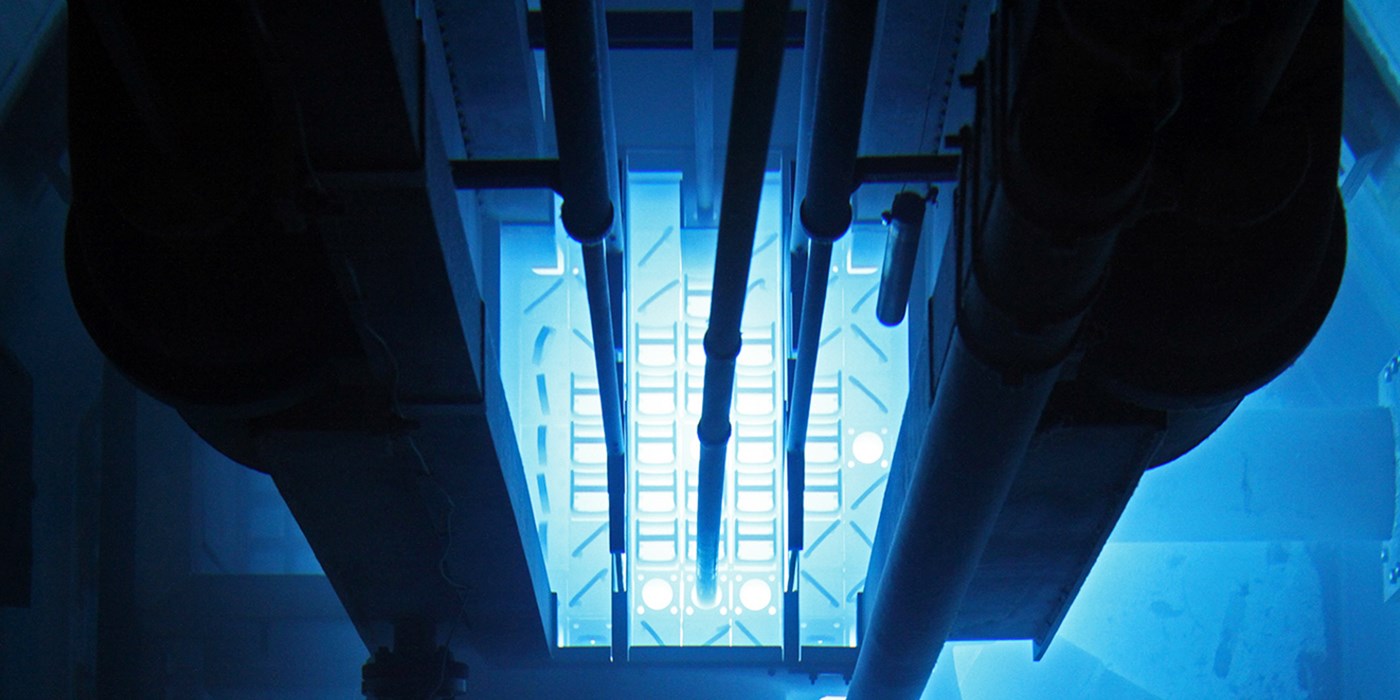
A 1-Megawatt research reactor produces thermal neutrons for radioactivation purposes and for digital neutron radiography. Fast neutrons for atomic displacement research are produced by both the reactor and the 5.5 MV Pulsed van-de-Graaff accelerator.

Fast Neutron Irradiation (FNI) Facility
Neutron Radiography
Neutron Activation Analysis

Fast Neutron Irradiation (FNI) FacilityFast Neutron Irradiation Facility

For studies of atomic displacement effects:

  • Supports samples as large as 30cm x 30cm x 12cm
  • Fast flux and 1 MeV equivalent flux1011 n/c2-s
  • Greater than 40:1 fast-to-thermal flux ratio
  • Gamma dose rate to the sample110 Krad/hr
  • Uniform flux distribution to10% of the maximum to minimum
  • Fully characterized by computational & experimental methods
  • Optimized neutron spectrum
  • Minimal thermal and fast radioactivation of samples for rapid return

Detailed information on this facility is available by downloading the following pdf file: FNI.pdf

top

Mono-Energetic Neutron Irradiation

For research and evaluations requiring fast neutrons fluences with minimal slow neutrons and gamma ray components, a range-thick, metallic lithium target is bombarded with protons from the 5.5 MV Pulsed van-de-Graaff accelerator. These neutron fluences may be used to study the effects of atomic displacement damage on semiconductors and other materials. This method can achieve a total fluence of 1015 neutrons/cm2 in a 24-hour period.

top

Neutron RadiographyExamples of Neutron Radiography

UMass Lowell Research Reactor offers Digital Neutron Radiography as a quality assurance and R&D tool for non-destructive inspection of mechanical parts, electronics, and assemblies, including voids; missing/misplaced parts; corrosion or hydrogenous substances in sealed units; adhesive bonding flaws; channel blockages channels; water behavior; distribution of neutron absorbers in materials for nuclear applications.

Digital images are produced using a CCD camera system in conjunction with a fast response LiF neutron converter screen. Specimens to be radiographed are placed on a large, precision positioning table, which can be rotated through 360 degrees, translated across the face of the imaging detector, and raised or lowered almost 12 inches, as needed. Remote web based access to imaging and sample positioning is available. 

The Digital Radiography system is equipped with a viewing room having a high-speed, high-storage Diagram of Neutron Radiographycapacity computer displaying imaging results on a dual monitor setup. The computer provides for keyboard and mouse control of the specimen position and for processing of the radiographic images. A large format printer is available for image archive and reproduction. 
 
Detailed information on this facility is available by downloading the following pdf file: NRAY.pdf


top

Neutron Activation Analysis

One of the most sensitive methods for measuring the concentration of trace Graph of Neutron Activation Analysisamounts of many elements simultaneously:

  • A micro-analytical method, often only requiring a few milligrams of sample.
  • Nondestructive
  • Capability to identify and measure multiple elements simultaneously.
  • Requires no special processing. Most samples can be analyzed without extensive chemical or physical preparation.
  • Routinely used to measure trace element concentrations in: geological materials, biological materials, waste products, manufactured products and byproducts, forensics samples, archeological materials, and others.

top


Radiation Services Radiation Laboratory - One University Avenue, Lowell, MA 01854
Phone: 978-934-3374 Fax: 978-934-4067 Contact Us