University of Massachusetts Lowell
UML Home News Calendar Directory Maps & Directions Libraries Questions
UML Search:
Center for Family, Work and Community

From Idea to Program: Strategic Planning


Suppose you are part of a group of people who want to write a grant but are not sure how to go about it. You have a great idea that will fulfill a community need. Now what? How will you take this idea and develop into a fundable program? There is a process called strategic planning that novice and experienced grantwriters use to develop programs. Strategic planning is a framework that provides a way to "see" your idea evolve into a program.

How can strategic planning help you? It will:

  • Create a strong focus in the design of a program from an idea
  • Facilitate thought on the kind of impact a new program will have
  • Create investment from various people and community groups
  • Help the various groups reach a clear understanding of what a program is and isn't designed to do
  • Provide an overall picture of clarity (something grant funders like to see)

How do I do strategic planning?

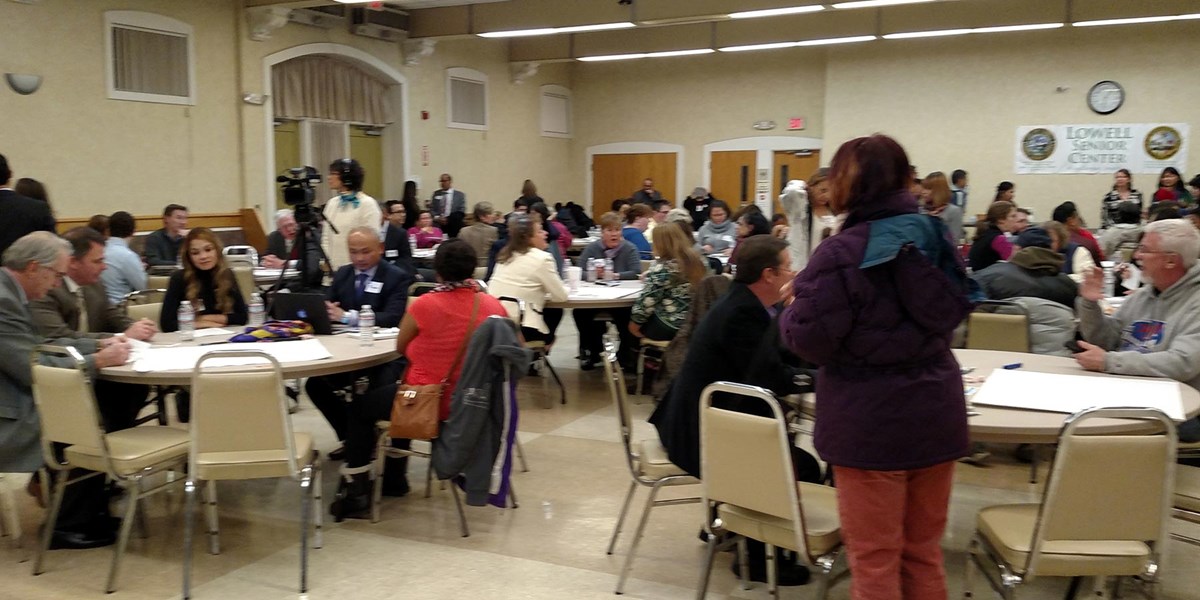
No session of strategic planning will ever be the same. However, there are many useful guidelines that can start you off. Suppose you are at a meeting with many individuals who want to help with your idea (to learn how to find these people see the tipsheet on Networking with People). The strategic planning session might begin with a brainstorming exercise. Important issues to cover are:

  • Resources and possible partnerships that can be used to develop your idea
  • Critical success factors for your program (i.e. how will you know it's working? what should it do?)
  • Goals and potential results
  • Obstacles and challenges

Suppose your group is interested in teen-dating violence. At a meeting, you take out big pieces of newsprint and markers and you begin the brainstorming process. First, you ask everyone to share the names of all the people and organizations they know who deal with or are concerned about the issue of teen-dating violence. As they speak you write them all down. Here is your list of resources and possible partners. Next, you ask your group how they will know if the program on teen-dating violence you design will be effective. Do you want people to become more educated? Will the number of occurrences be reduced? Write these down. Now you have a list of critical success factors. Your group should then brainstorm the goals of the program on teen-dating violence. How many teen-agers do you want to reach? Do you want to provide models for building self-esteem? Are you interested in giving teen-agers the skills for stronger conflict resolution? Finally, the group should share what they believe will be difficult about designing and implementing a teen-dating violence program. Are teen-agers a difficult population to work with? How will you get them involved? Who might try to hinder this program? You have just developed a list of challenges and obstacles.

What is a logic model?

A logic model can be a great way to turn your ideas and brainstorming sessions into a series of active planning strategies using schematic guides. Logic models are like flow charts with a vision. They develop clarity of thinking. They allow you to let others know that their issues and concerns are being heard.

Current Conditions  Strategies  Desired Conditions

What can a logic model do? It can:

  • Be used as an experiential activity
  • Allow different members of the team become engaged in the development process
  • Identify current conditions that your program hopes to address
  • Develop desired conditions you would like your program to bring out
  • Help you develop strategies to move from current conditions to desired conditions

Let's go back to the teen-dating violence meeting. You ask everyone present to participate in the logic model activity. Ask the participants to share their ideas on the current conditions of teen-dating violence. Is this occurring more often? What groups are most prone to dealing with this issue? What are some of the causes of abusive adolescent relationships? Write these down in the logic model in the box marked current conditions. Next, ask everyone to talk about what they would like to see change. Do you want to reduce teen-dating violence? Do you want teens to be more educated on what abusive relationships are? These are your desired conditions. The final step is to list all the activities and projects you think will get you from the current conditions to the desired conditions. Will you include a counseling program? Will there be an educational seminar on what teen-dating violence is? These are your strategies.

Now What?

Okay you've done all the brainstorming and you've used a logic model. What to you do with all this stuff? You may want to spend some time looking for themes in all your information. When doing this keep the goals of the program in mind. Try numbering what gets mentioned a lot and creating connections. This will help give your idea depth and focus, as it becomes a program. It also may be a good idea to refer to your logic model through the grantwriting process. As your experience with the topic increases, so will the scope of the current and desired conditions and the strategies you will use to address them.

Some Final Thoughts on Strategic Planning

Sometimes you will find that when you bring together various individuals together to design a program from an idea, you will get differing opinions and feedback. It will be up to you to take the conflicting ideas and pull them together. Strategic planning can help you get people on the same page in terms of goals, objectives, and outcomes. If you would like more information on networking and working with different groups see the networking tips.

So this is a brief explanation of how you can turn an idea into a program. These guidelines are designed to help you with the process of strategic planning. Keep in mind that the more you can add of your own personal touch and creativity, the better your strategic planning session will be. This is just the beginning of the wonderful programs you can develop with a little help from strategic planning and logic models. For additional ideas on working with others, please see tip sheets on The People Chase: Networking for Grant Support and Networking with People to Write a Stronger Proposal.

by Manjula Sastry

 top

Center for Family, Work and Community - 600 Suffolk St., Wannalancit, Lowell, MA 01854
Phone: 978-934-4677 Fax: 978-934-3026 Contact Us

This is an Official Page/Publication of the University of Massachusetts Lowell