

Clinical Laboratory Sciences, Medical Technology Option
About the Program
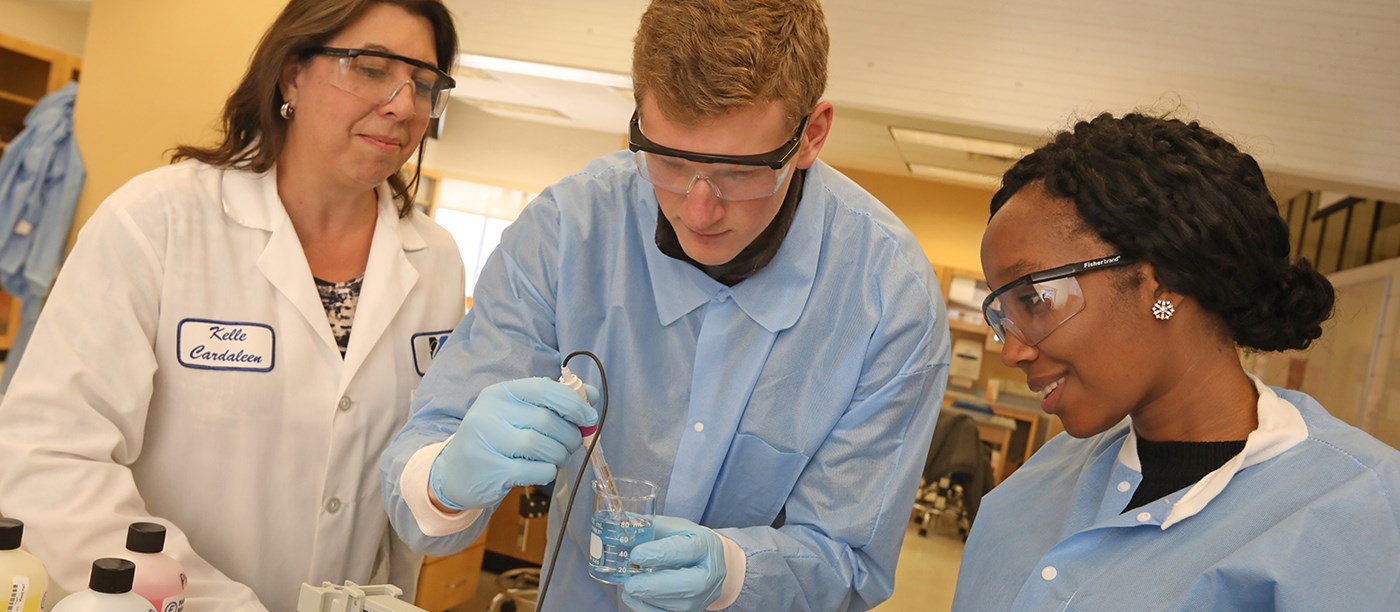
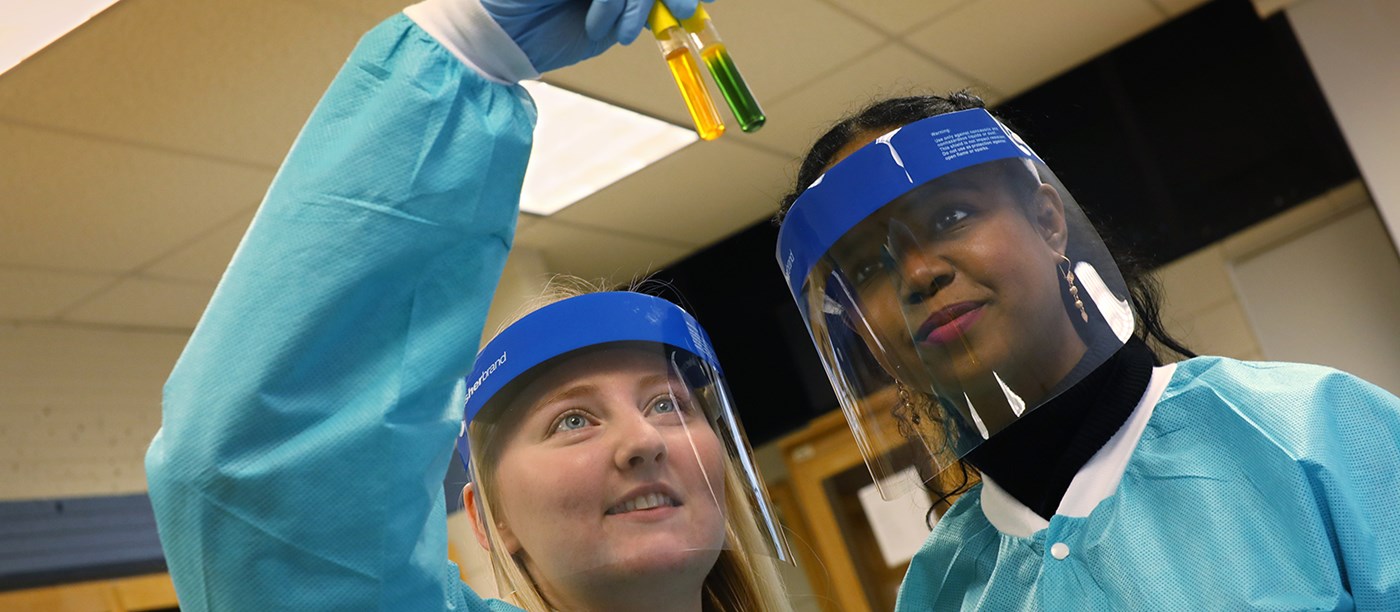
The Medical Laboratory Science (formerly Medical Technology) option prepares students with lifelong career skills in laboratory science. Students receive an in-depth education in clinical chemistry, clinical hematology, clinical immunohematology (transfusion medicine), clinical immunology, and clinical microbiology. Lecture and laboratory courses in these areas are taught here at the University, followed by clinical internships in each area at hospital laboratories in Greater Boston, Northeastern Massachusetts and Southern New Hampshire.
After completing their degree, students are qualified to sit for the Board of Certification examination for Medical Laboratory Scientists offered by the American Society of Clinical Pathology (ASCP).
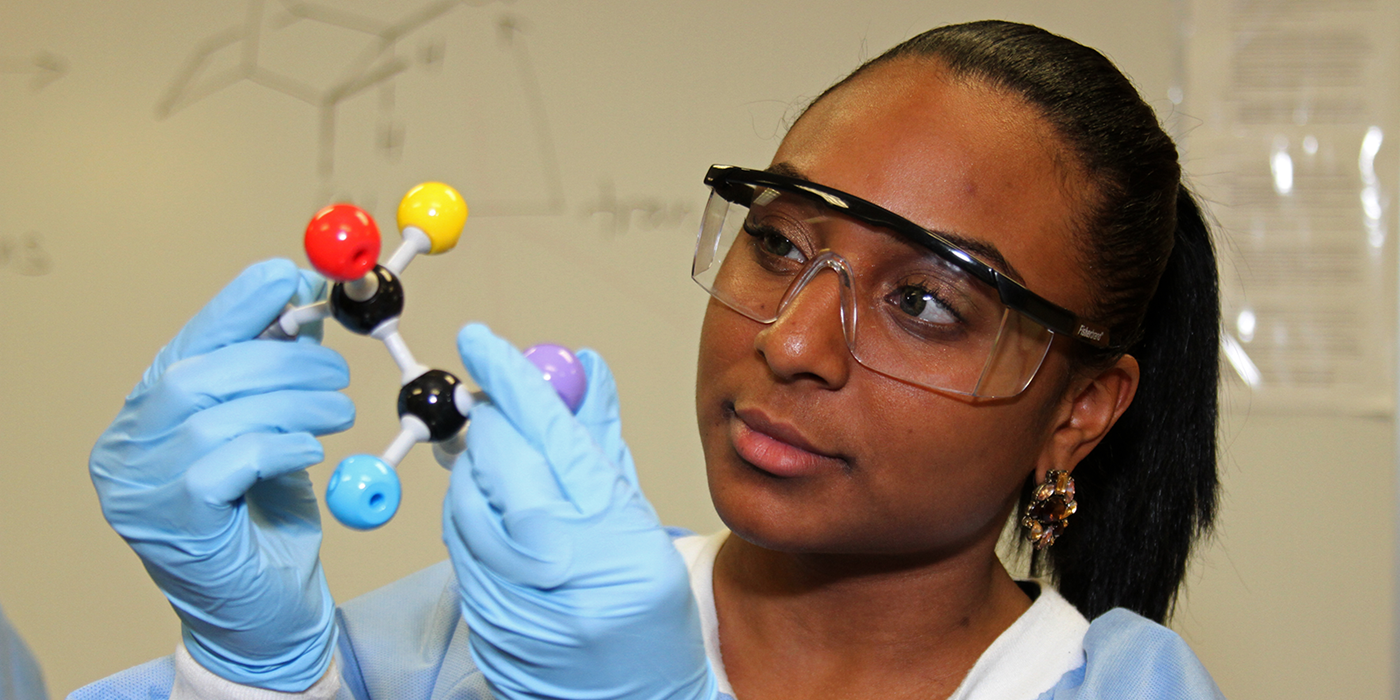
The academic program includes scientific and clinical knowledge using current methodology, instrumentation and techniques relevant to each area in laboratory medicine. Students can elect to enroll in the five-year BS/MS program and take courses in their senior year that will count toward the master's degree.
The Medical Technology option prepares entry-level Clinical Laboratory Scientists/Medical Technologists who are able to:
- select and provide analytical and evaluative laboratory services based on scientific theory,
- effectively assess the results of their efforts and
- possess leadership skills of accountability, delegation, education, and supervision.
This program is fully accredited by the National Accrediting Agency for Clinical Laboratory Sciences (NAACLS), 5600 N. River Rd. Suite 720, Rosemont, IL 60018-5119, Phone: 847-939-3597 or 773-714-8880, e-mail: info@naacls.org, and the National Accrediting Agency for Clinical Laboratory Sciences website. For the fourth time in a row, the Medical Laboratory Science (formerly Medical Technology) option received a perfect score during its recent national accreditation cycle in 2010.
The teaching faculty is doctorally prepared in various science disciplines and nationally certified with teaching, clinical and research experience. Many of the faculty are nationally recognized in their respective fields.
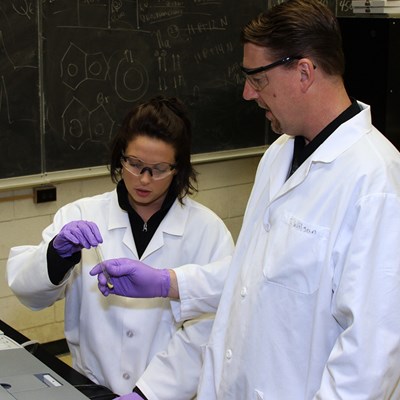
The program has recently upgraded its equipment and acquired state-of-the-art laboratory instrumentation for all of the student laboratories. Students receive further in-depth experience with laboratory instrumentation in their clinical internships. Student clinical placements are guaranteed and are coordinated by the university faculty and staff.
Read additional information on this program.
Career Opportunities
The Medical Laboratory Science program prepares students for a variety of careers in Laboratory Medicine. Nearly 100 percent of program graduates are successfully employed in all departments of various hospital laboratories, physician office laboratories, medical reference laboratories, the American Red Cross Blood Bank laboratories, public health laboratories as well as veterinary office laboratories.
Graduates also have obtained employment in various jobs as sales representatives, R&D scientists, clinical research associates, technical field representatives, regulatory affairs personnel, and quality control personnel in the biomedical device, biotechnology, health informatics and pharmaceutical industries. Graduates are also employed in research laboratories at various universities and medical schools in the Greater Boston area.
Finally, many graduates of this program have continued on to graduate school and received master's or Ph.D.s in various science disciplines such as biology, biotechnology, microbiology, biochemistry, nutrition, physical therapy, and clinical laboratory sciences. Others have earned master's of Education, master's of Business Administration (MBA) or Health Administration (MHA). Graduates have also gone to Veterinary School, Chiropractic School, Osteopathic School, Medical School or Physician and Pathologist Assistant's programs.
Degree Requirements
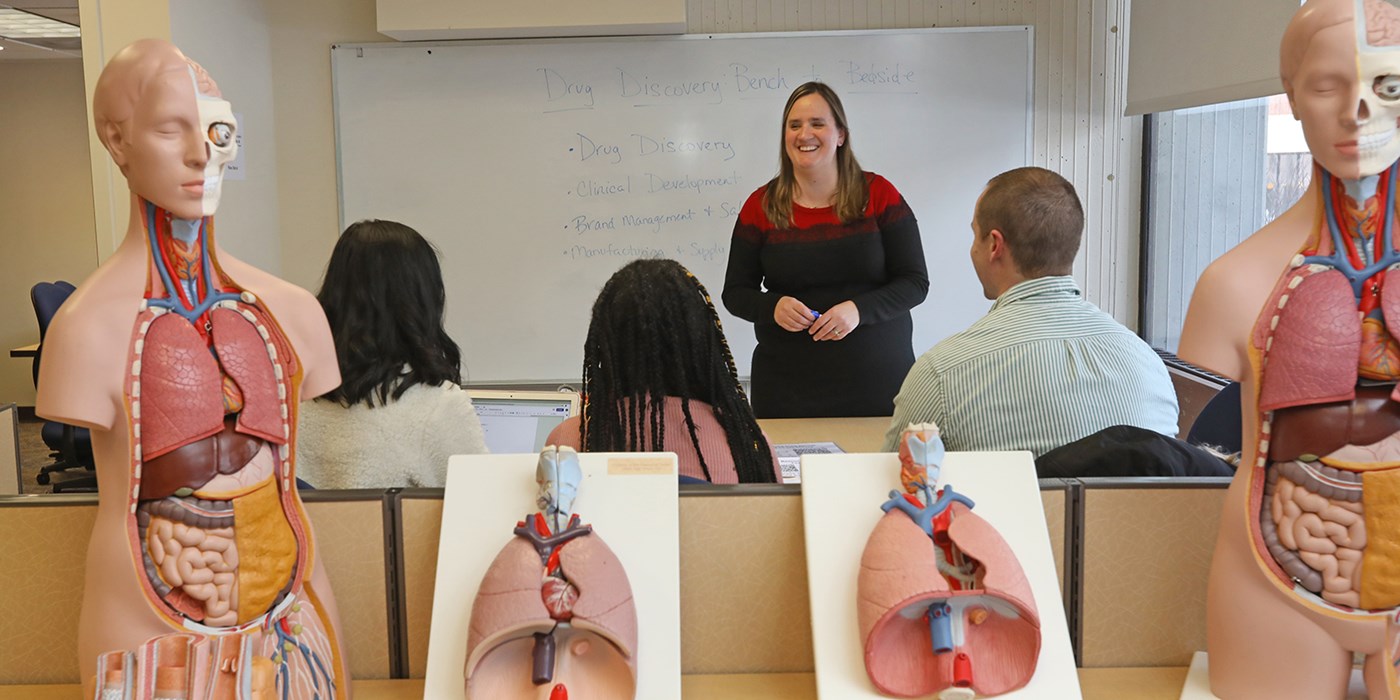
All students must complete a basic core of science courses in Anatomy and Physiology, Physiological Chemistry and Basic Clinical Microbiology. These courses, along with the General Education courses in Social Sciences and Arts and Humanities, must be completed prior to the junior year. The upper division (junior and senior) courses combine classroom and online teaching and learning. Specific courses include Hematology, Coagulation, Clinical Chemistry, Medical Bacteriology, Medical Mycology and Parasitology, Medical Virology/Serology, Clinical Immunology, Clinical Immunohematology, and Molecular Diagnostics.
The program requires a total of 120 credits and completion of the required courses leading to a Bachelor of Science in Clinical Laboratory Sciences, Medical (formerly Medical Technology) option.
Sample Course of Study (pdf)
For the latest course information please visit the UMass Lowell Online Academic Catalog.
Admissions
For information about the admissions process and standards please refer to the links provided: