Juniors and seniors in the College of Management are literally investing in the University’s future.
Armed with $25,000 from the UMass Foundation, 10 students are challenging counterparts at the Amherst, Boston and Dartmouth campuses in an investment competition designed to raise money for scholarships – and give the students real-world experience.
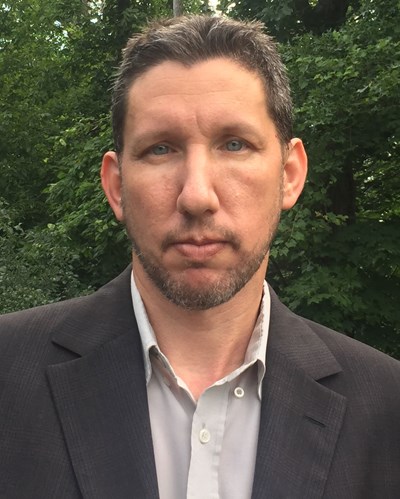
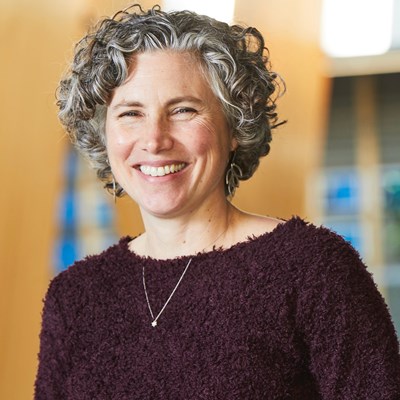
Working with the UML students are two alums who are top money managers and have served as directors of the UMass Foundation: Warren Isabelle, principal of Boston-based Ironwood Investment Management LLC, and John Kattar, managing director of investments for Eastern Investment Advisors, also in Boston.
“Keep an open mind. Have fun with it. Don’t be afraid to make mistakes,” Kattar advised the students. “If you don’t make mistakes, you’re not taking any chances.”
The students representing UMass Lowell were chosen on the basis of their grade-point average, and like the other UMass student teams, had $25,000 to start the Student Managed Fund when they began the project Jan. 1. The performance of each group will be evaluated in June, and at the end of each academic year in the future, according to Ravi Jain, the assistant professor of finance coordinating the UML students’ work.
The goal of the Student Managed Fund is not only to raise money for scholarships, but to give students real-life experience managing a stock portfolio.
Working with Jain to advise the students are Frank Andrews, director of undergraduate programs in the College of Management; Steven Freund, an assistant professor of finance; and Steven Rogers, a major gifts officer with University Advancement.
“Go for long-term, go for quality,” Jain advised the group before they embarked on the project.
The students decide on their investment strategy and which stocks and other products they want to trade in, focusing on U.S. securities. The UMass Foundation makes the actual trades, according to Didier Bertola, the foundation’s associate vice president and assistant treasurer.
“They should be aware of the tradeoffs and what this means to people” when it comes to the investment vehicles they choose, says Kattar.