Printer Friendly
From the Lowell Sun
| By HILLARY CHABOT, Sun Staff Lowell Sun |
|
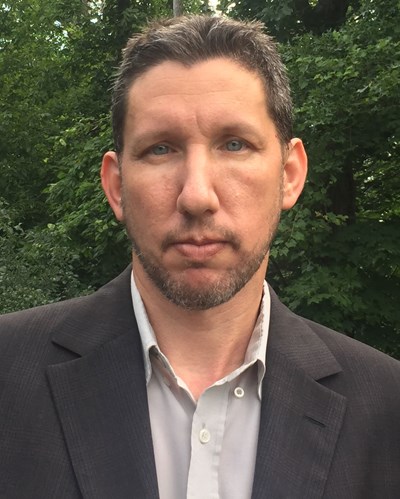
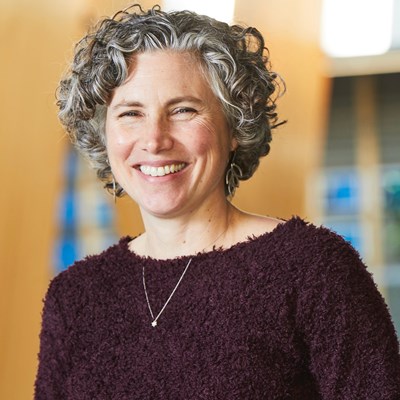
LOWELL -- Lead in tap water, asbestos in an old building, or pesticides on fresh fruit. University of Massachusetts Lowell professor Stephanie Chalupka uses those examples to show nurses how everyday items can harbor dangerous chemicals -- and how those items can affect developing children. "Children are very vulnerable," Chalupka said. "They are at a point where they have to develop systems which have to last a lifetime. Carbon monoxide, indoor air quality, mold, arsenic, pesticides -- we need to work with nurses so they can alert parents about protecting kids from those things." Chalupka plans on teaching about 200 New England-area nurses about environmental dangers thanks to a $150,000 grant from the U.S. Environmental Protection Agency. The agency awarded the grant to UMass Lowell to teach workshops about how to better understand, diagnose and prevent environmental health hazards faced by children. Chalupka and two other UMass Lowell professors will travel around New England to teach the workshops starting in February. The workshops are aimed at nurses, who are often the first point of contact for parents seeking health care for their children. "They practice every place people are," Chalupka said. "They're in schools, homes and the community. A lot of what we're teaching isn't in typical nurse training." Children are even more vulnerable in urban cities such as Lowell, where levels of pollution in the air and the soil are larger, said Project Director David Turcotte. "Any urban area in the Northeast is going to have a disproportionate amount of environmental hazards or risks," Turcotte said. Poor and minority children are also at a greater risk. "In Lowell, we have a lot of children living in poverty, and they are living in poorly maintained, older housing with older paint, possibly mold, or asbestos," Chalupka said. "The problem with children living in poverty is, they have delayed access to health care." Chalupka hopes the course shows health-care professionals how to treat the causes of environmental health concerns instead of the effects. Instead of just giving prescriptions to asthma sufferers, Chalupka also hopes nurses will look into the child's environment. UMass Lowell will hold the first daylong workshop in Manchester, N.H., on Feb. 10. A workshop in Lowell will be in November. |